The premier site for William Marples & Sons Tools.
Author: Roger Ball
TIMBER SCRIBES
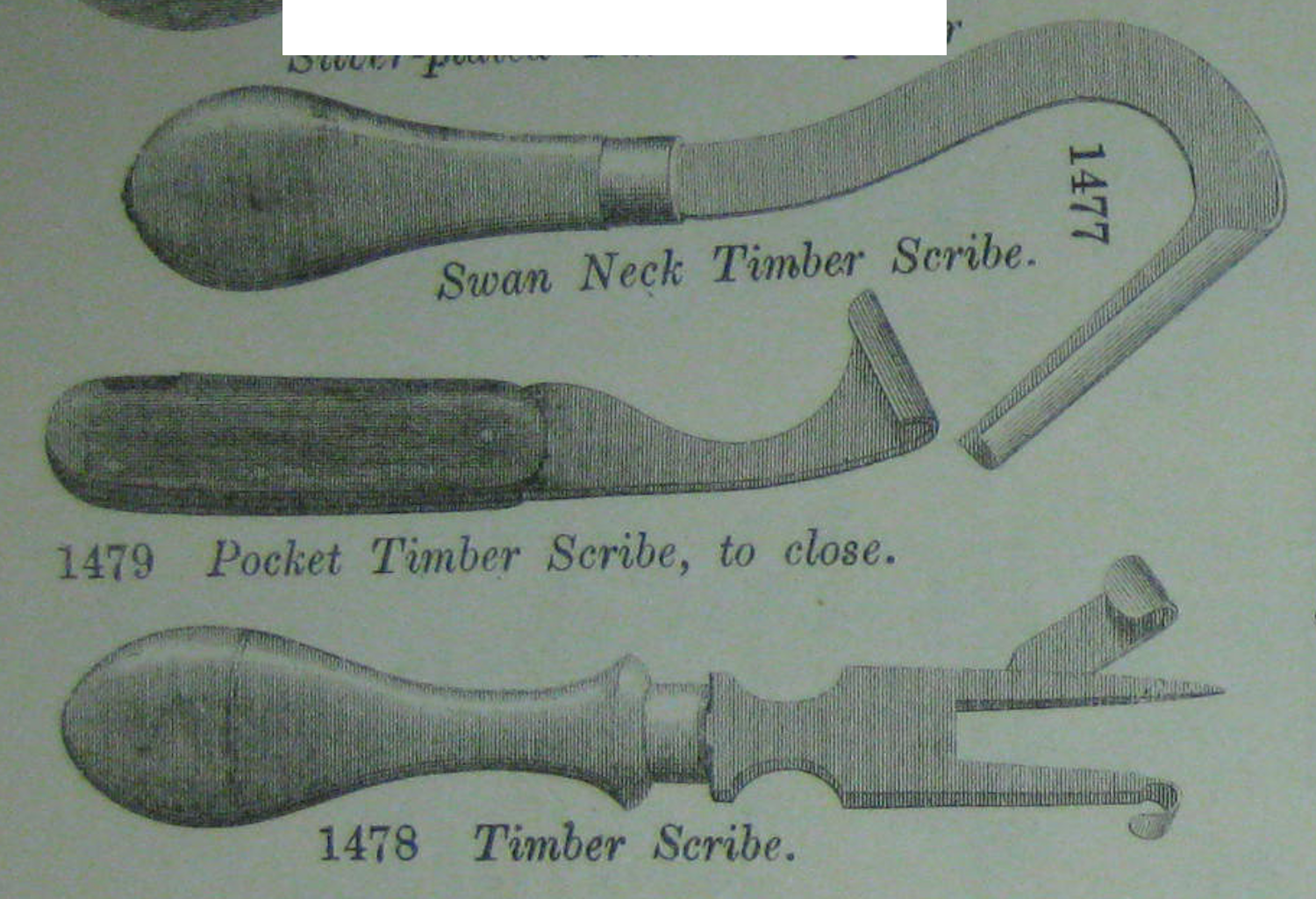
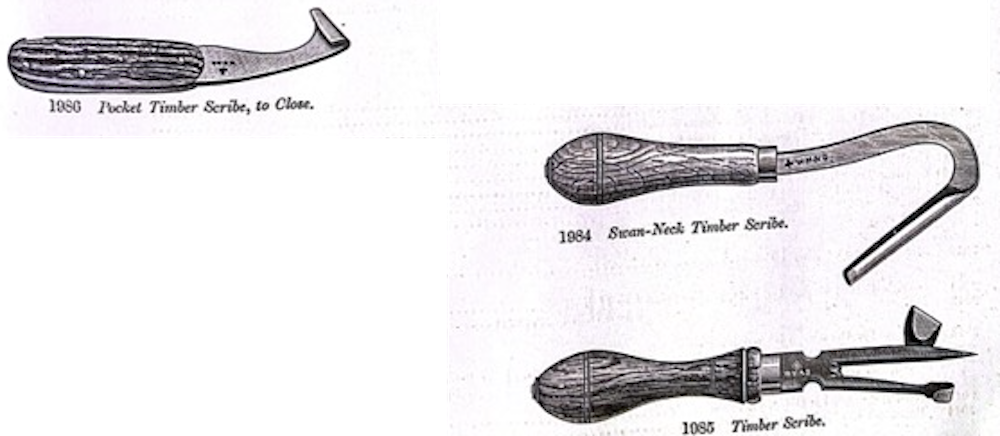
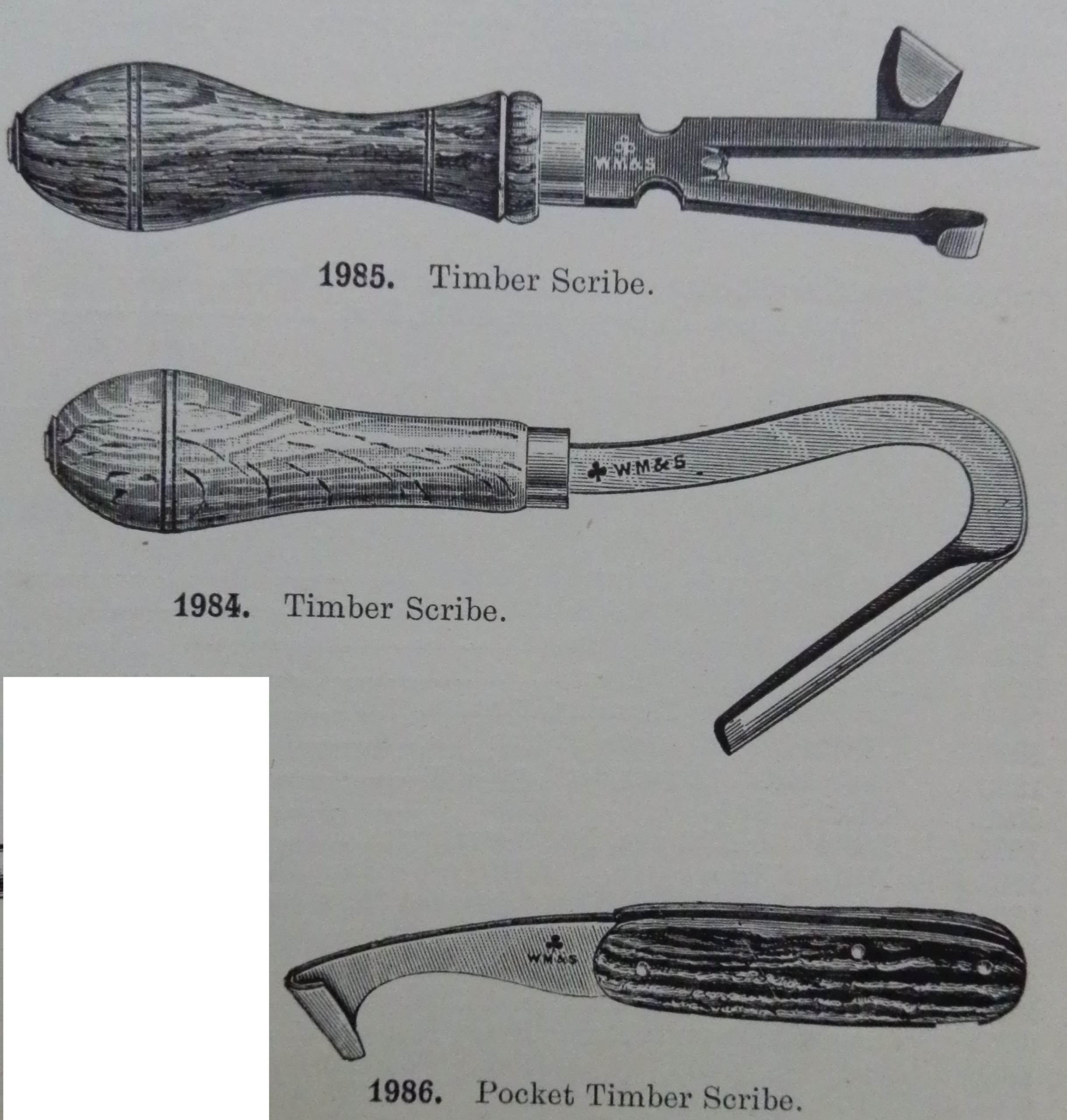
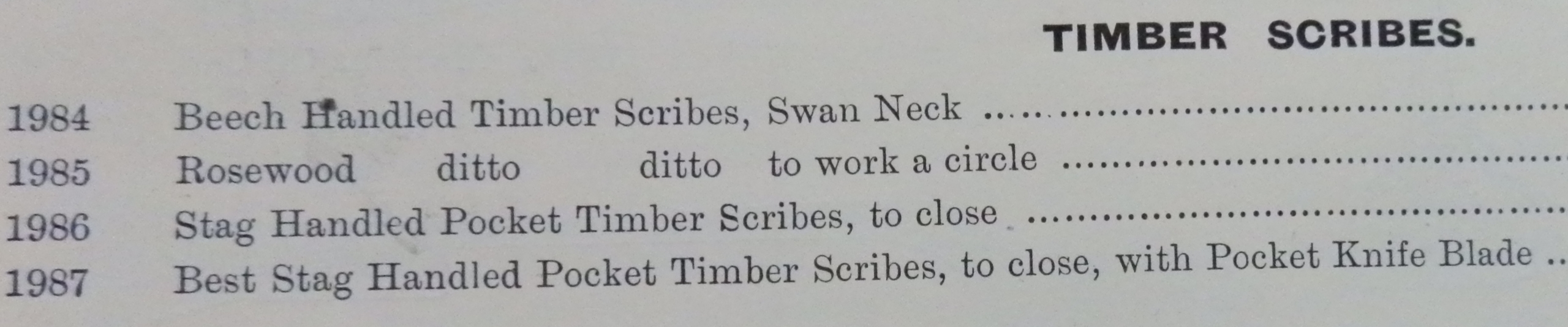
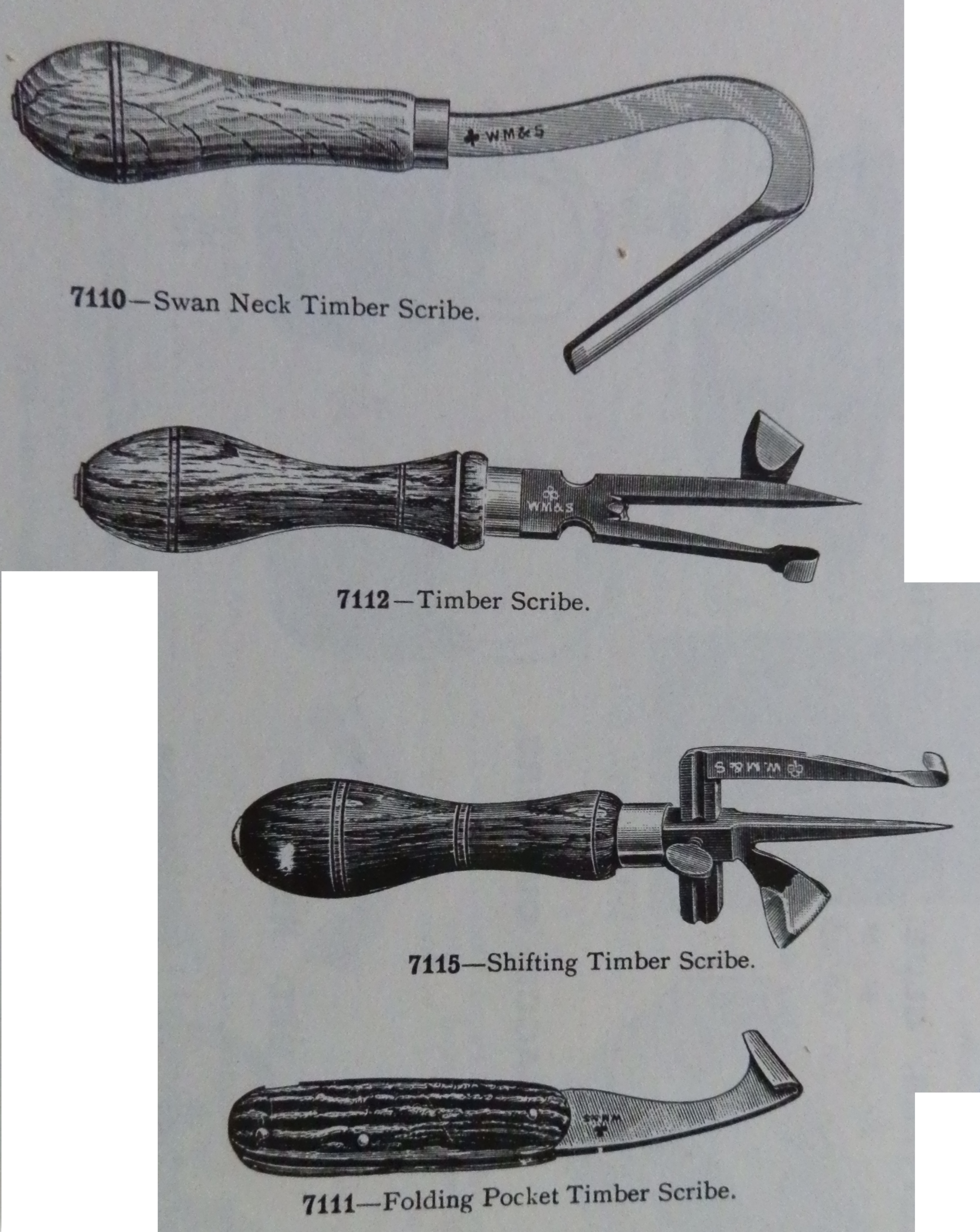
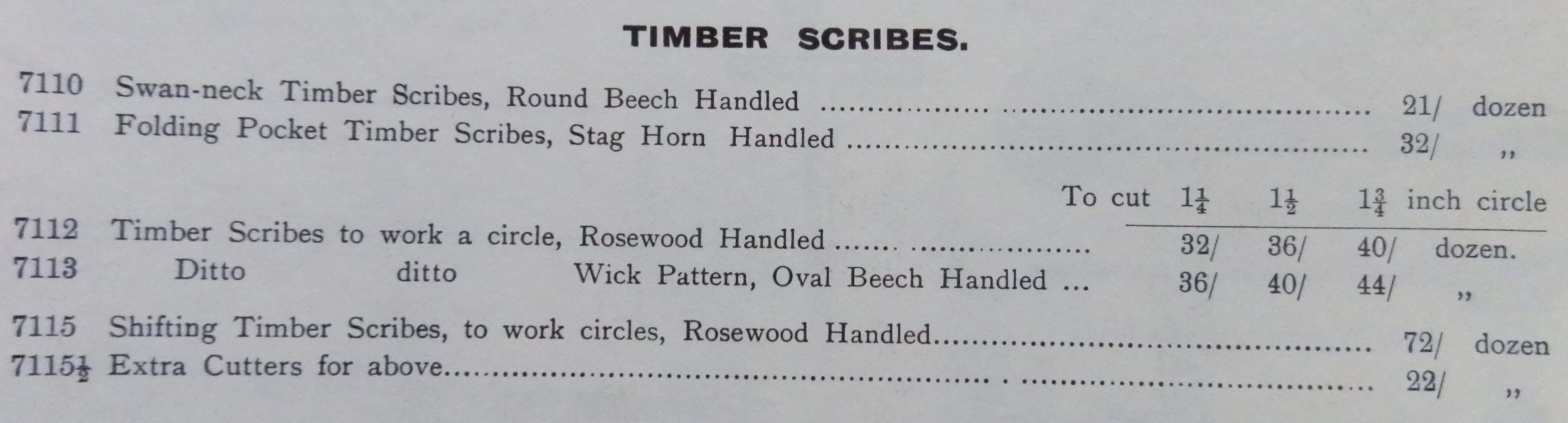
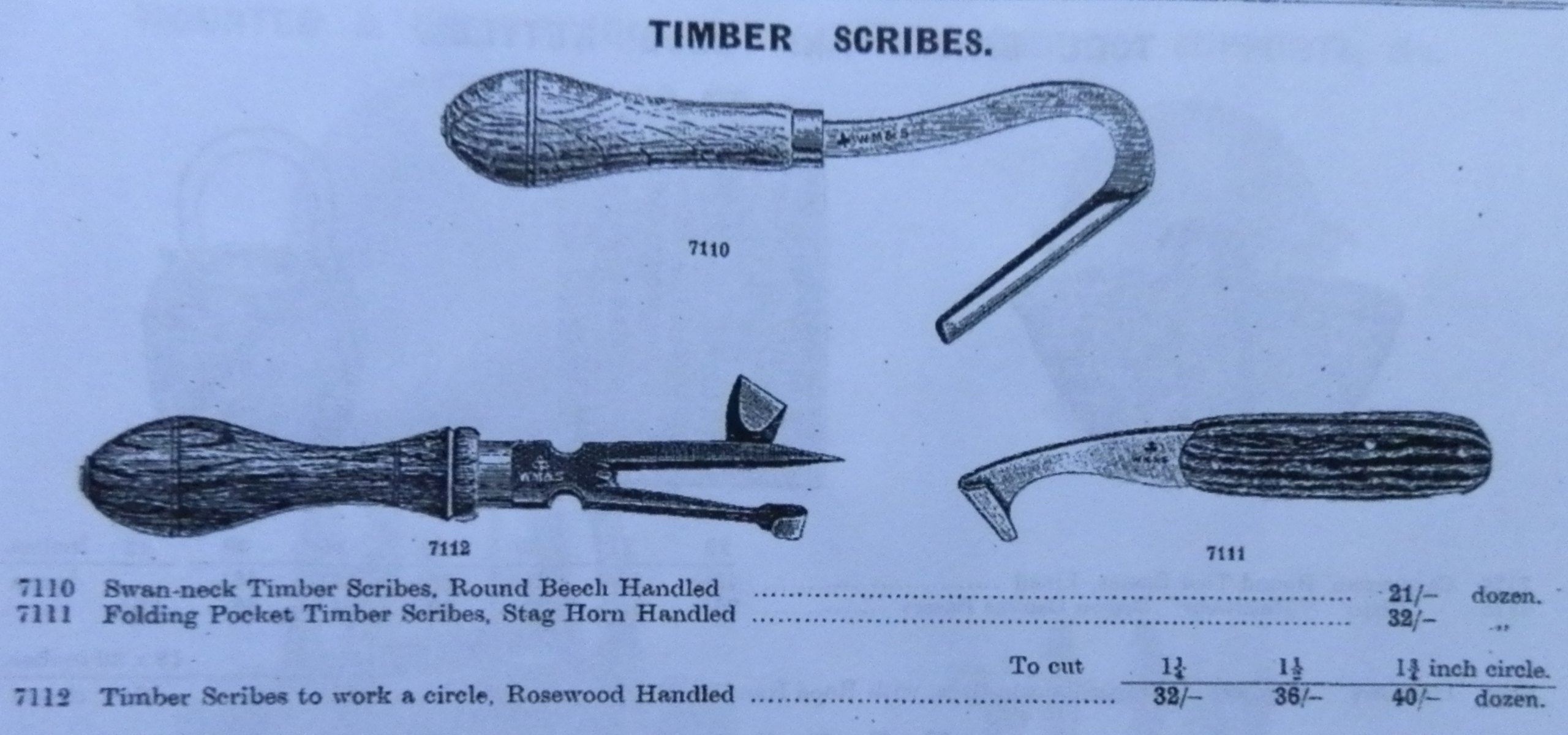
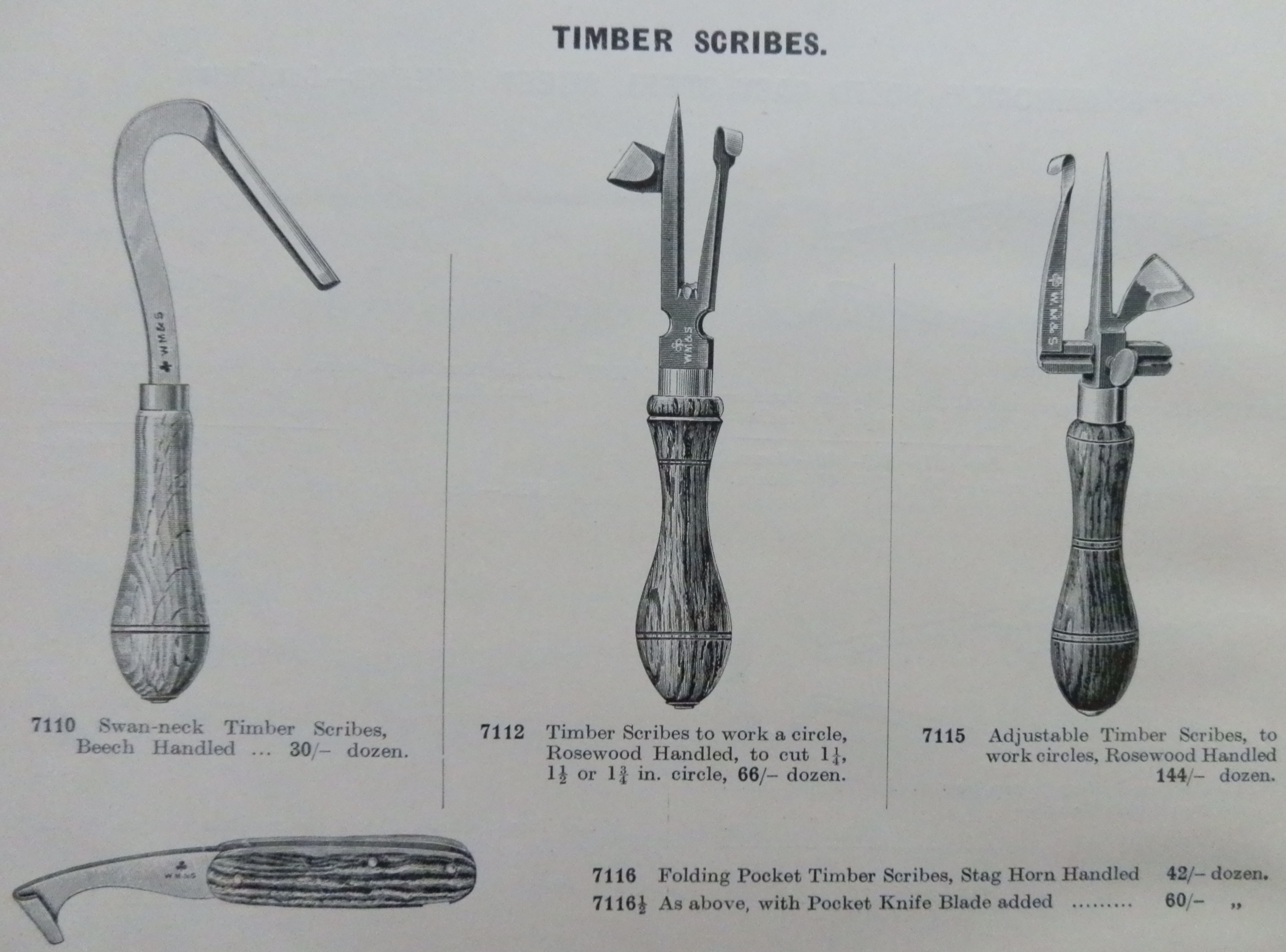
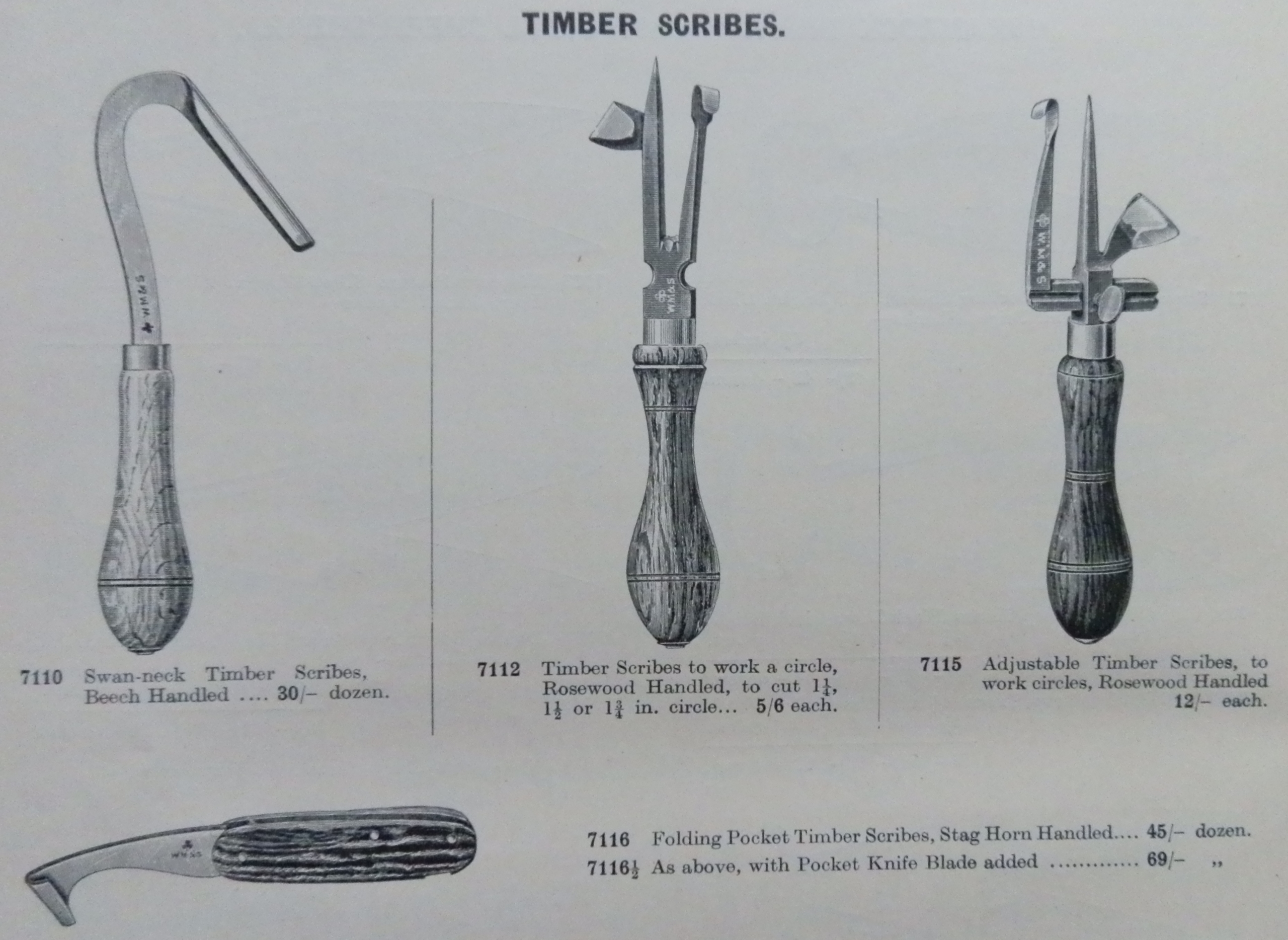
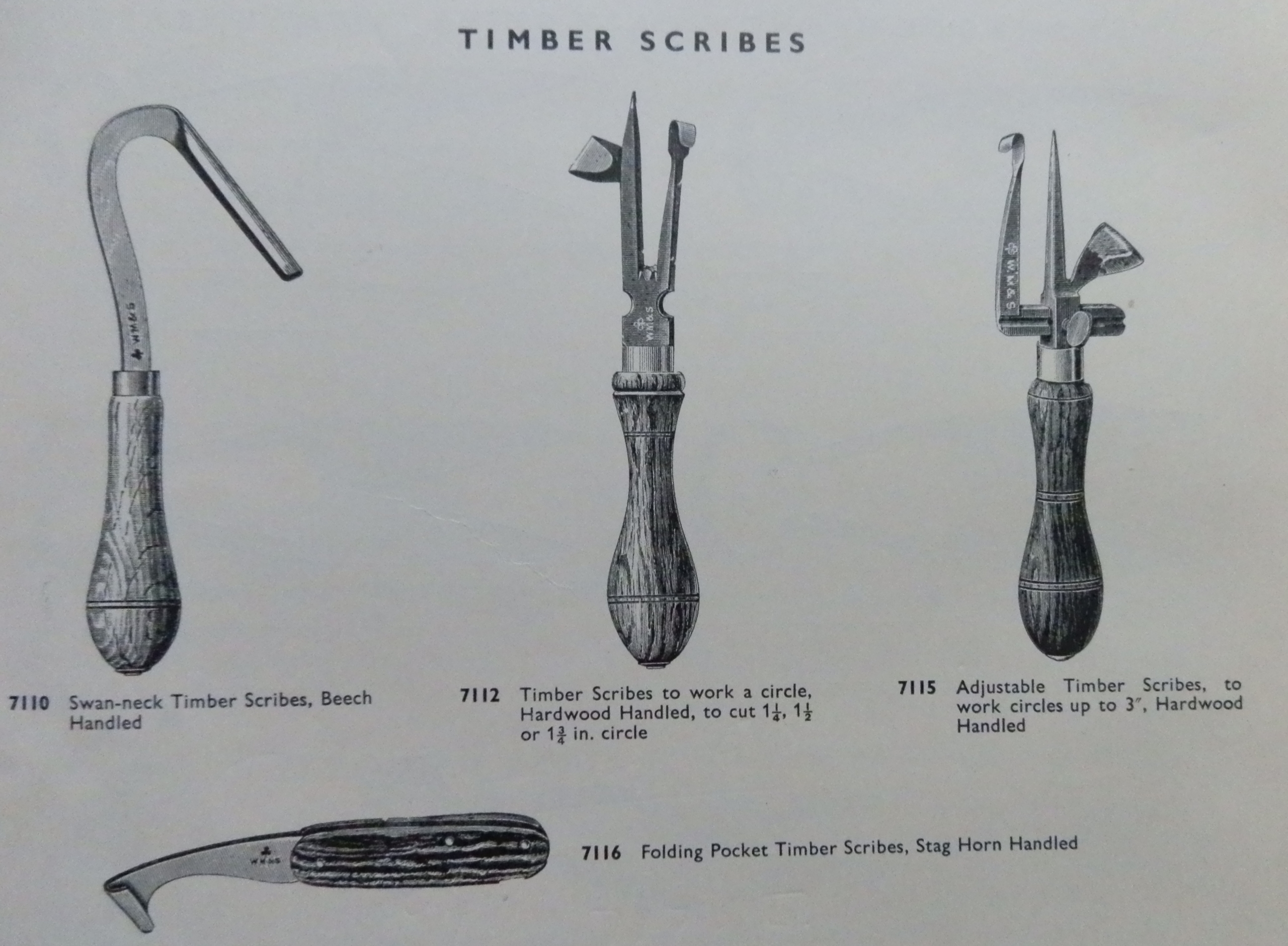
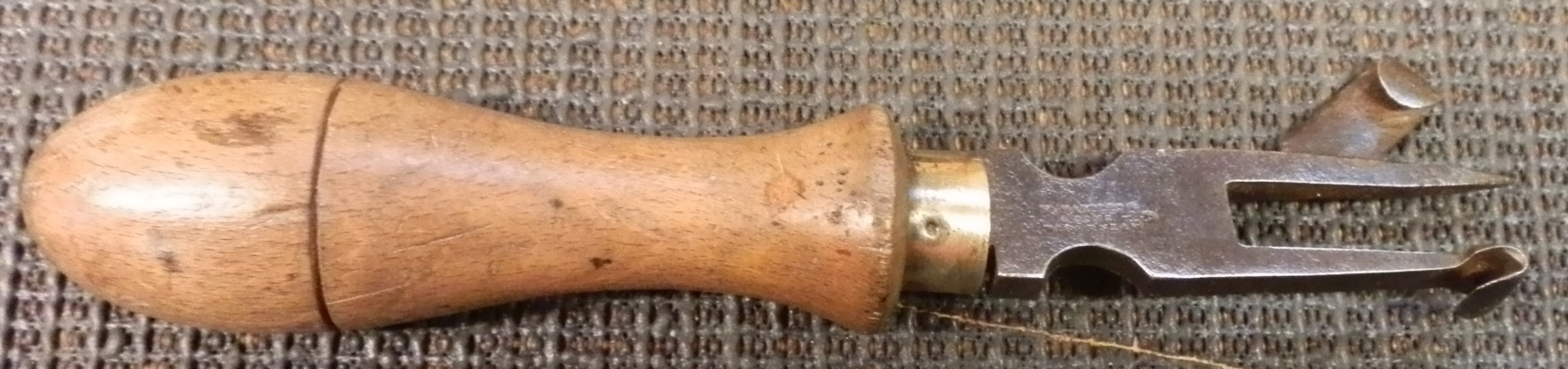
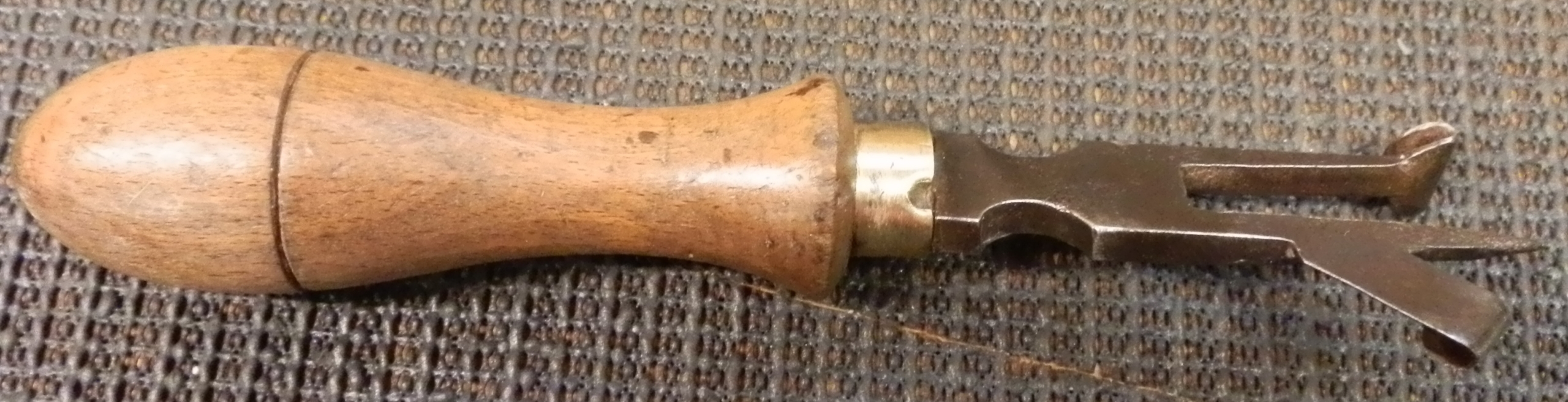
This tool was introduced c.1870 to enable a new owner to identify the timber which he had bought from a merchant. The #1478 in 1873 is described as being made from Beech and being able ‘to work a circle’ of identification. The tool did not change much between then and the last manufacture of c.1960. In 1888 the number changed to #1985 with a Beech handle. In 1909 the #7112 scribe is shown as being made from Rosewood.. but still to ‘work a circle’. Even 1921 describes it as being made from Rosewood as do the Catalogues of 1928 and 1938. But the 1959 Catalogue and beyond says it is now made of Hardwood. The next listing seems to be c.1965 with only #7112 and then there is nothing beyond.
There seem to be 3 types of Timber Scribe as shown in the following catalogue entries:
1873:
1888: 1897:
1909:
1921:
1928:
1938:
1959:
1965:
GALLERY:
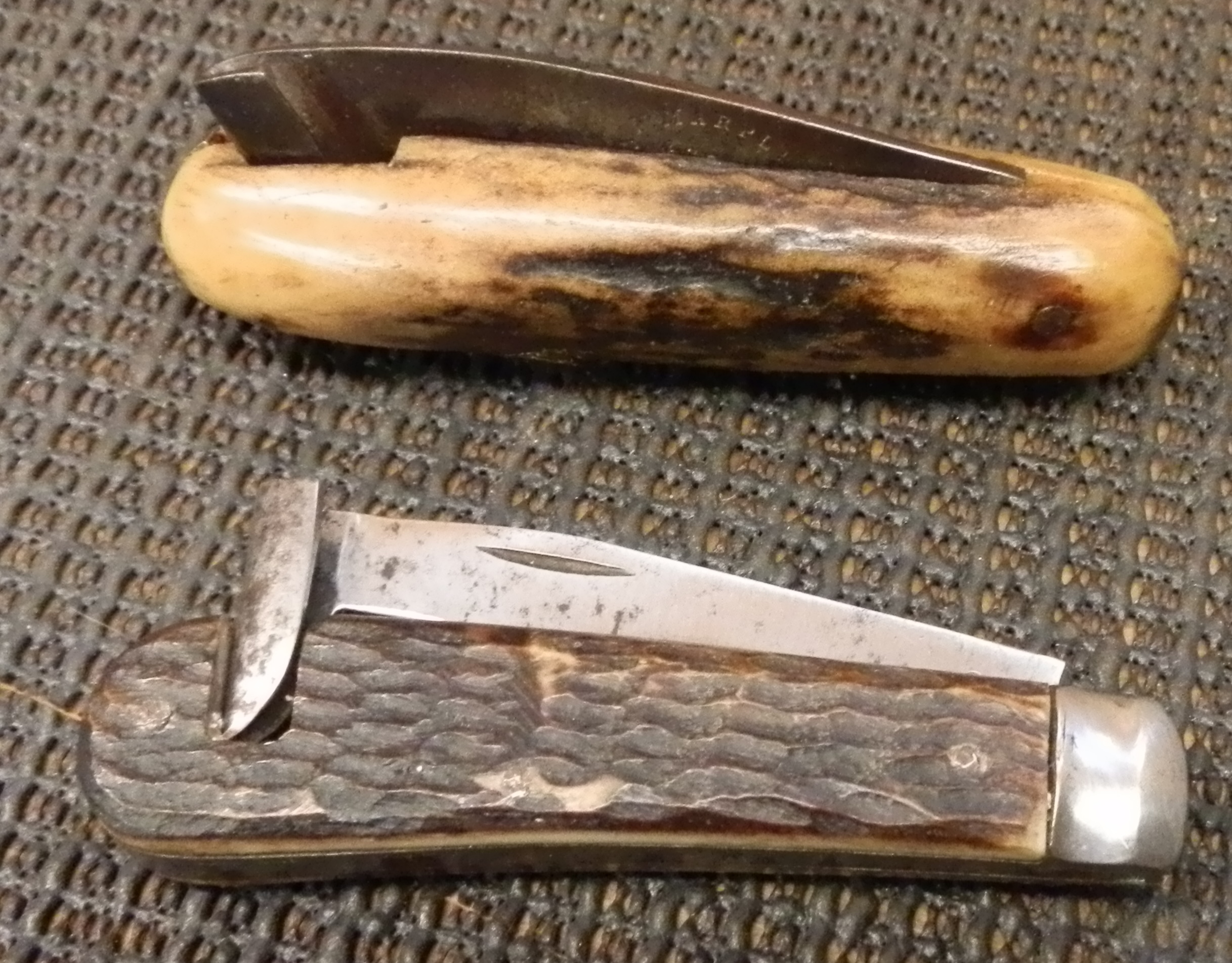
The folding scribes below show 2 different forms, the older being the top image:
Infill Planes
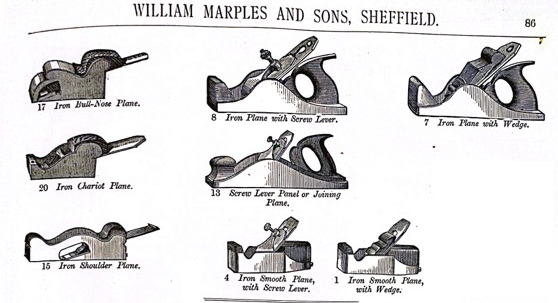
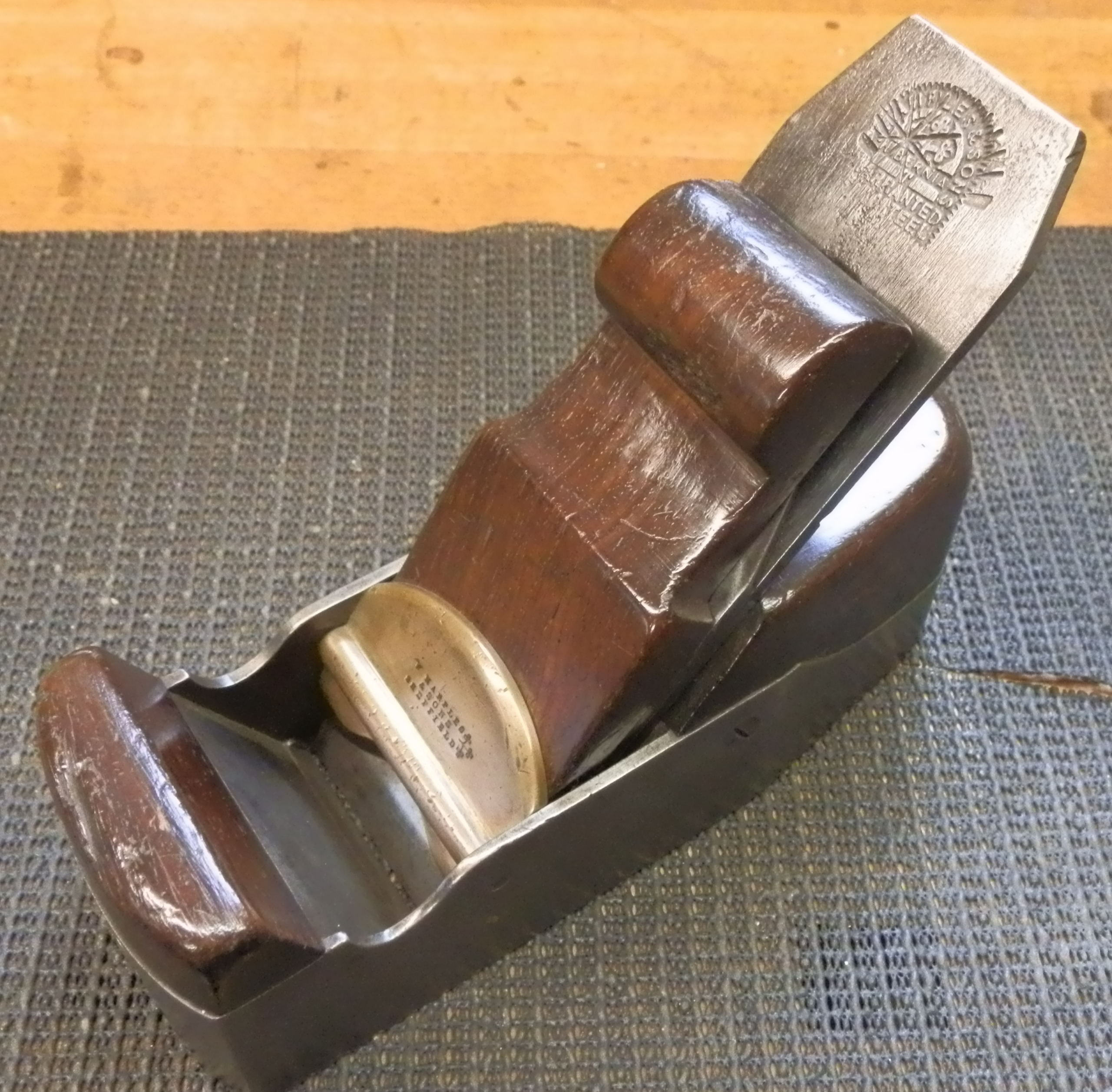
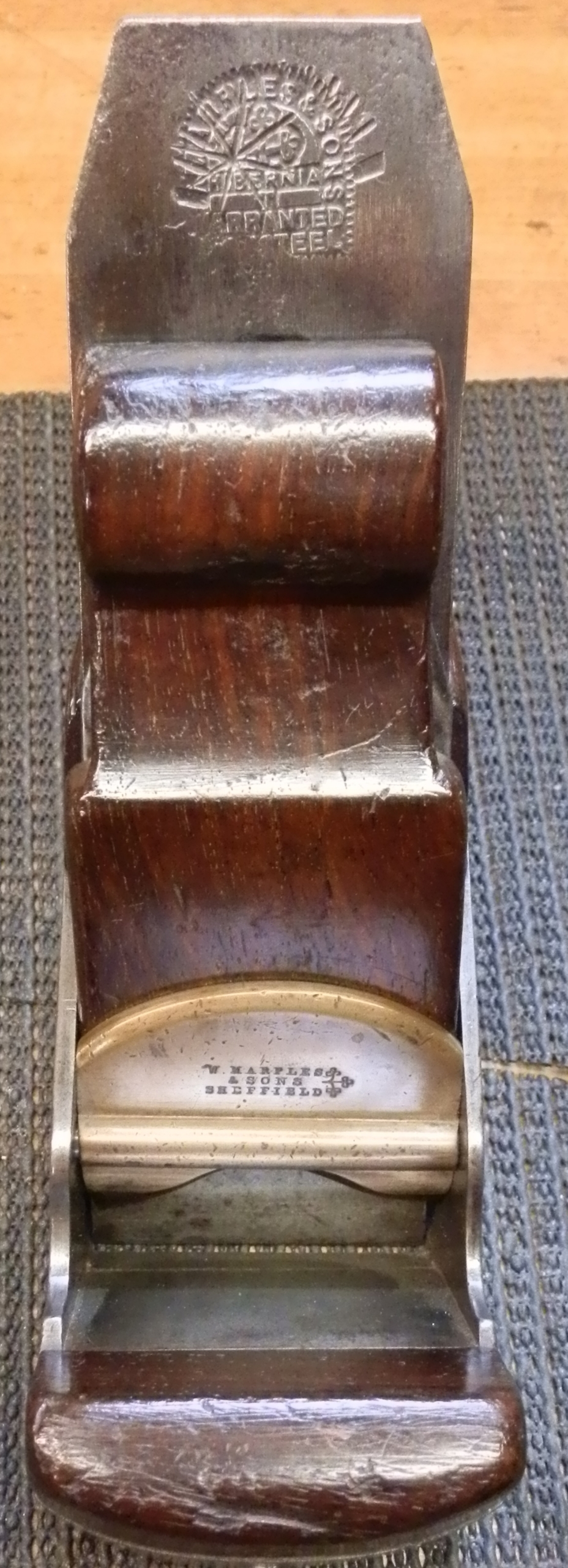
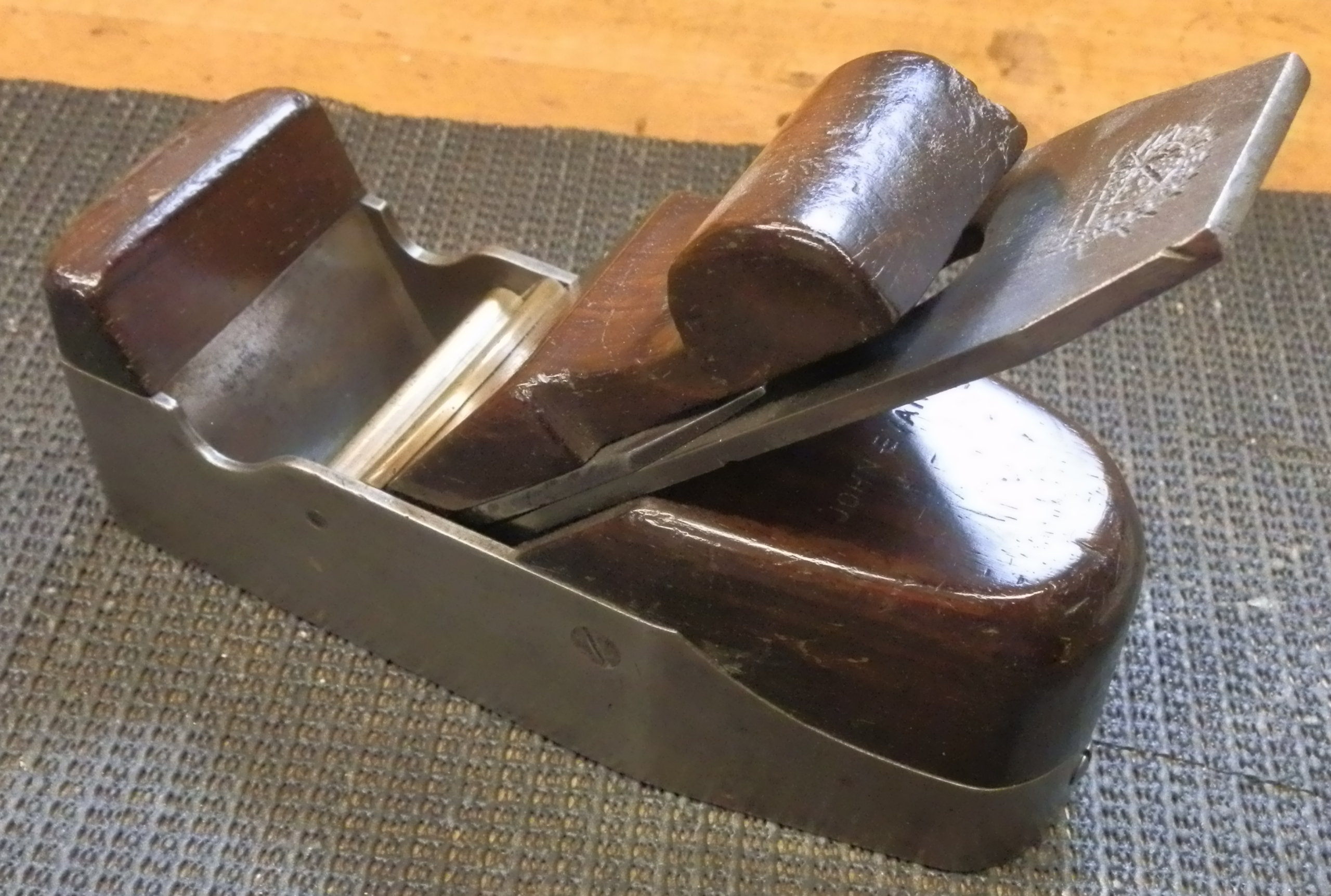
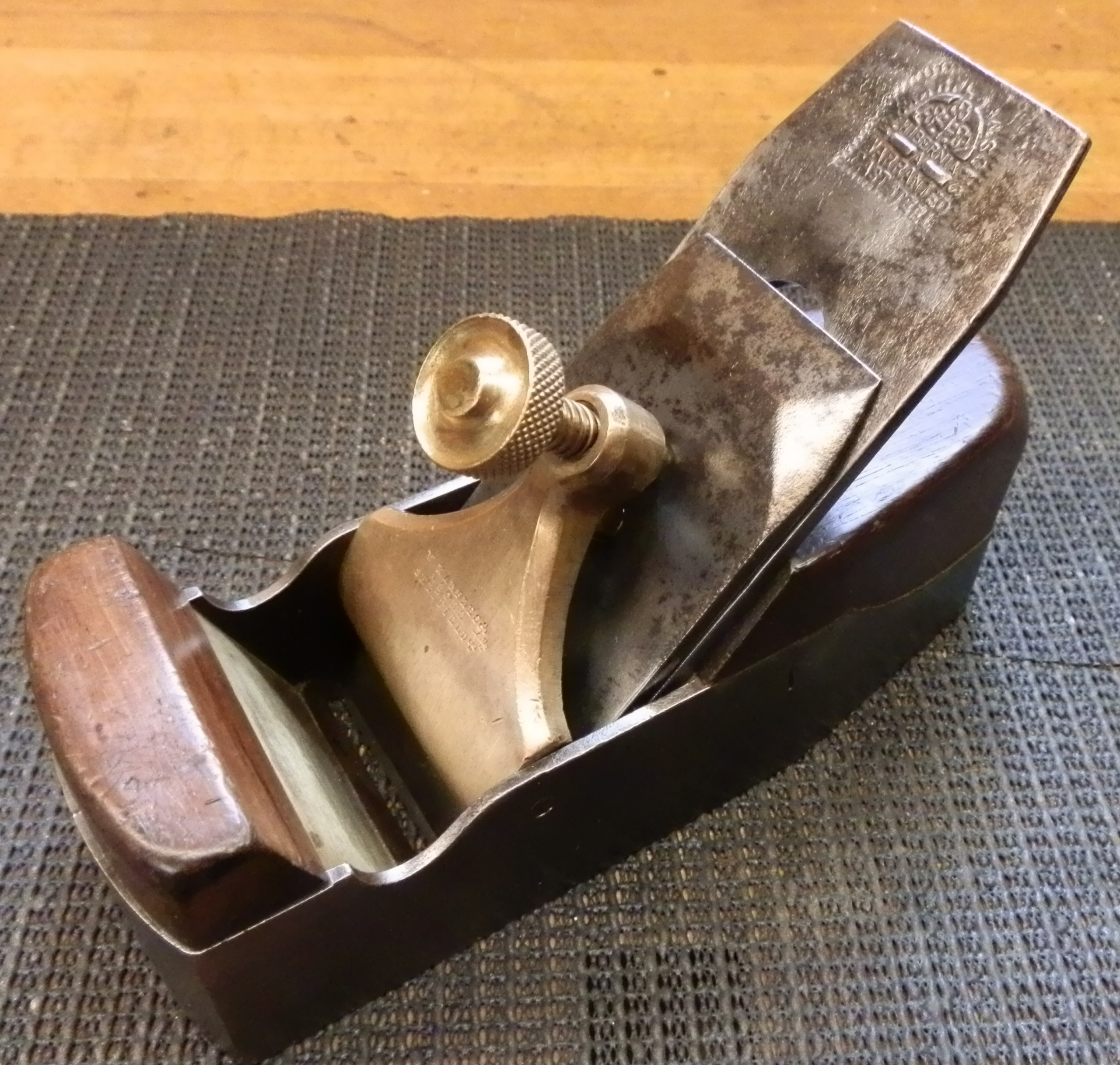
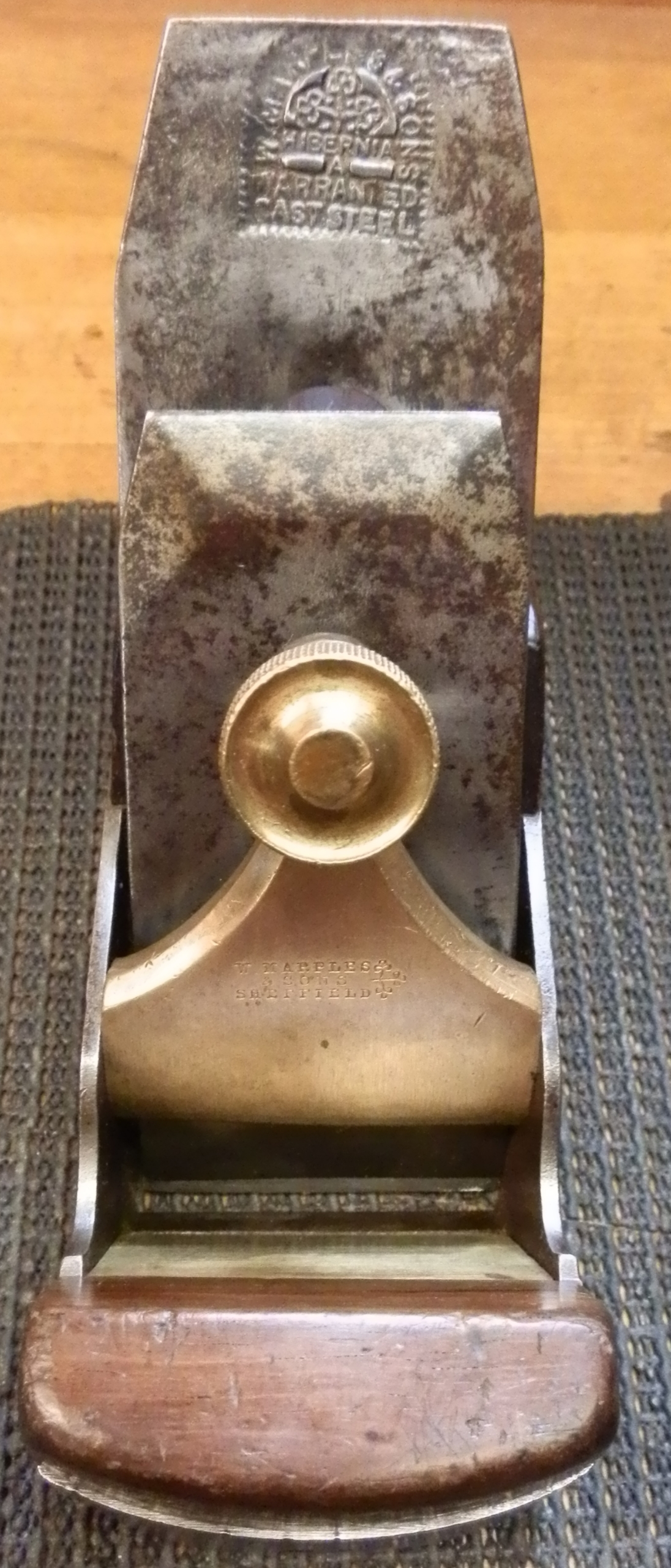
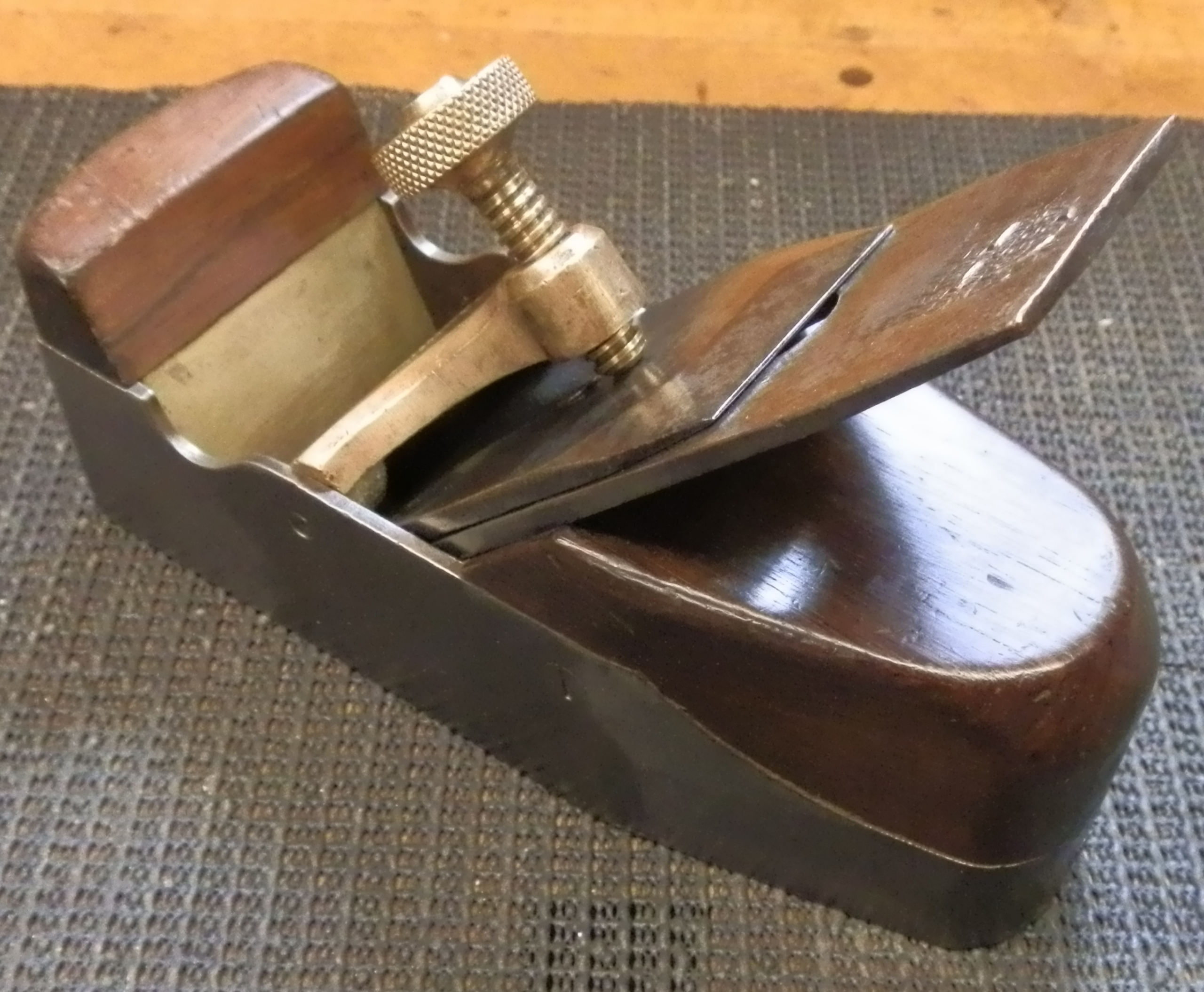
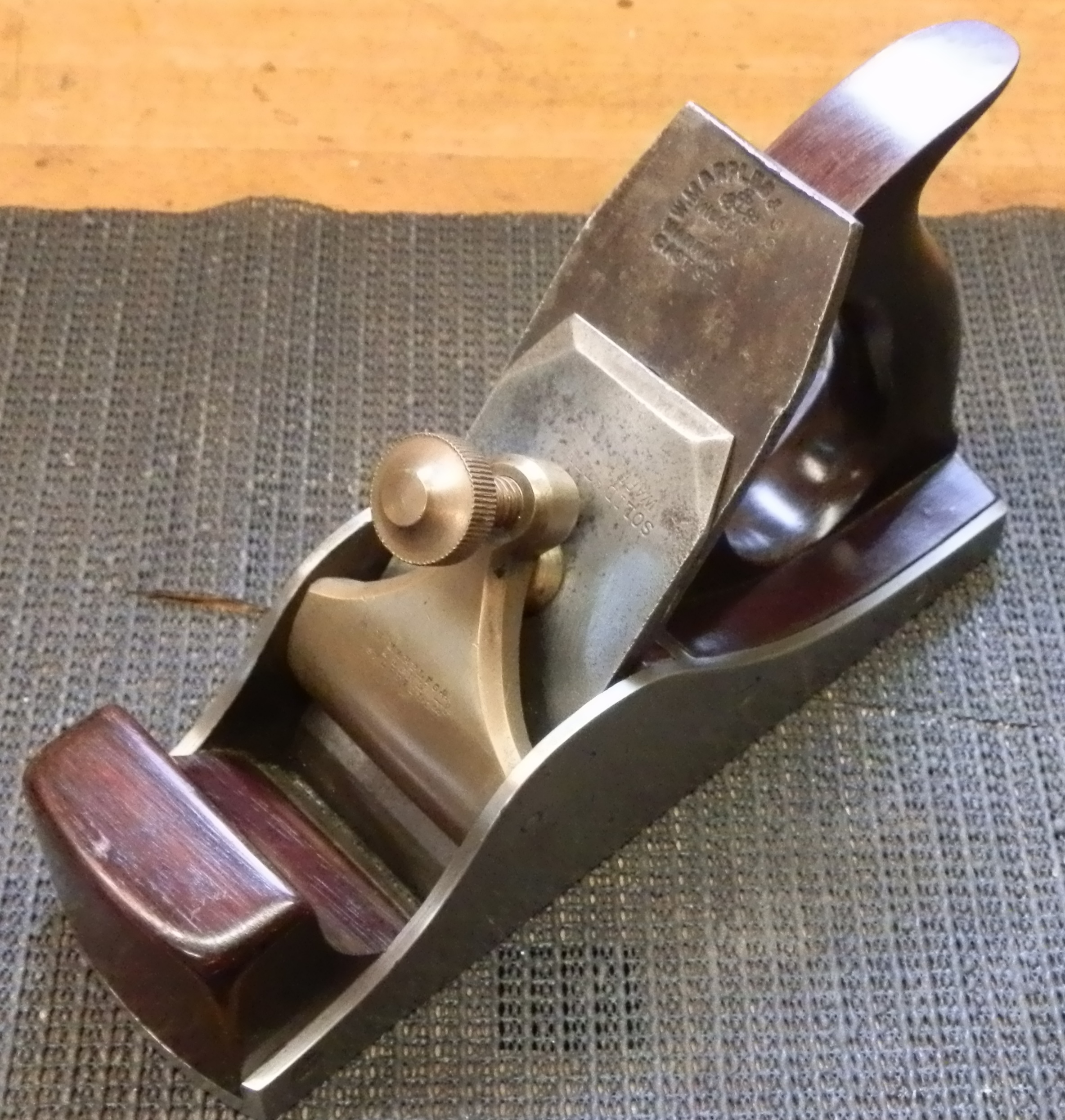
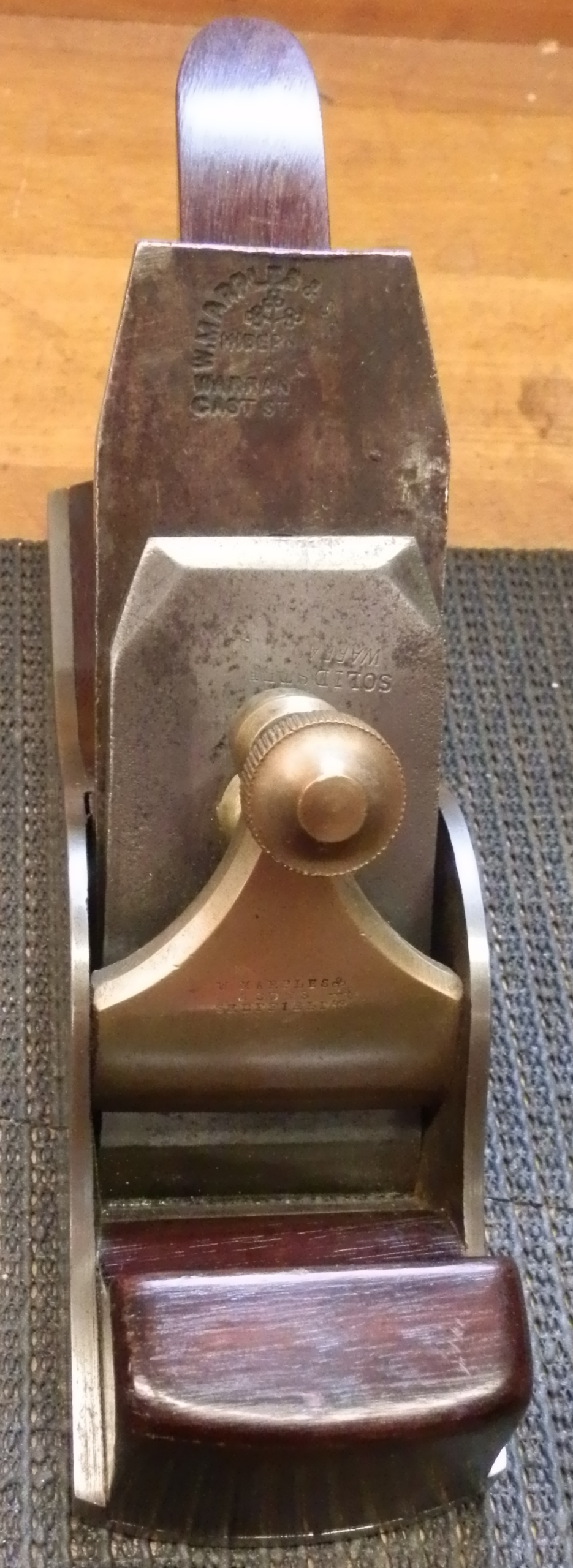
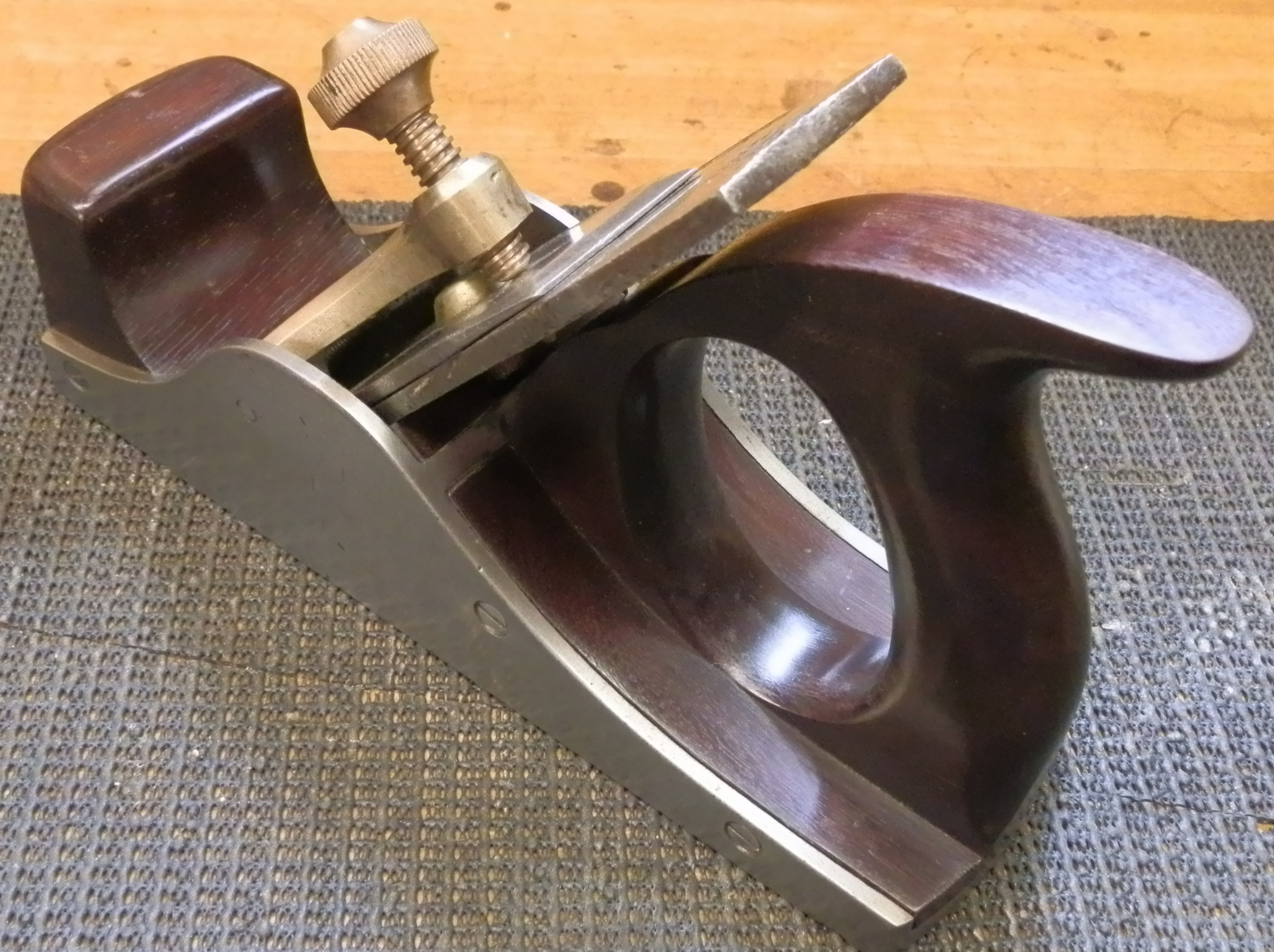
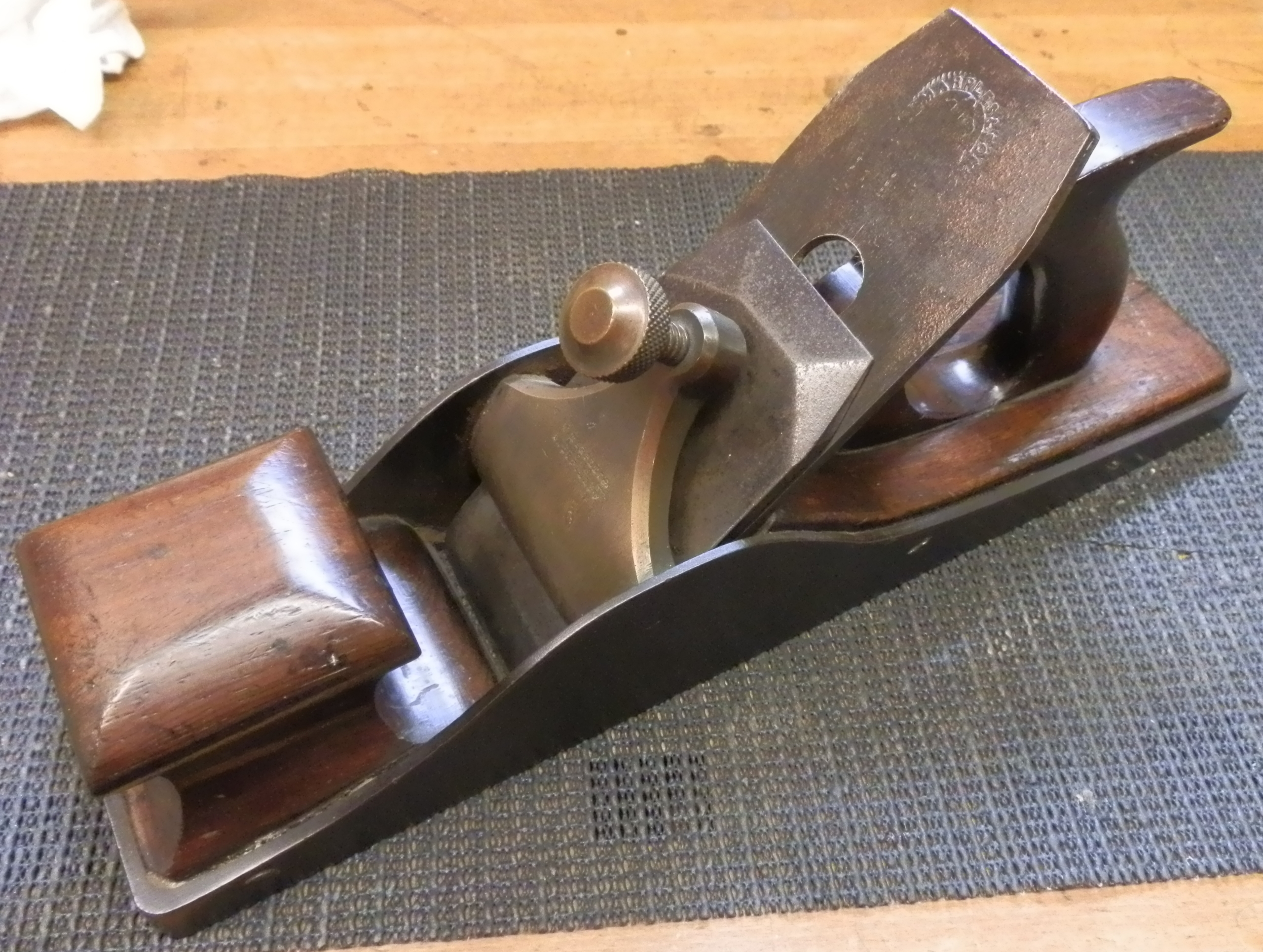
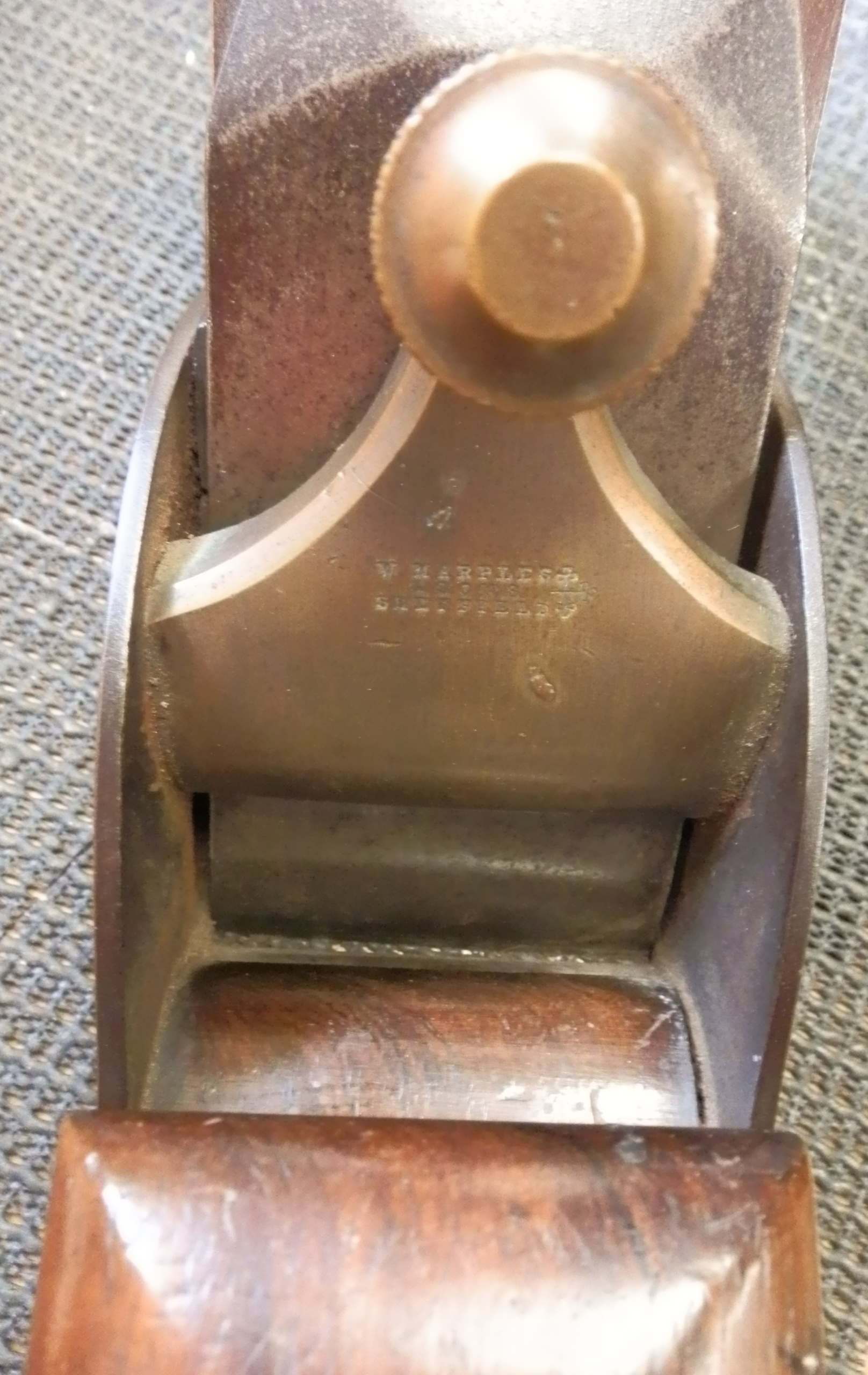
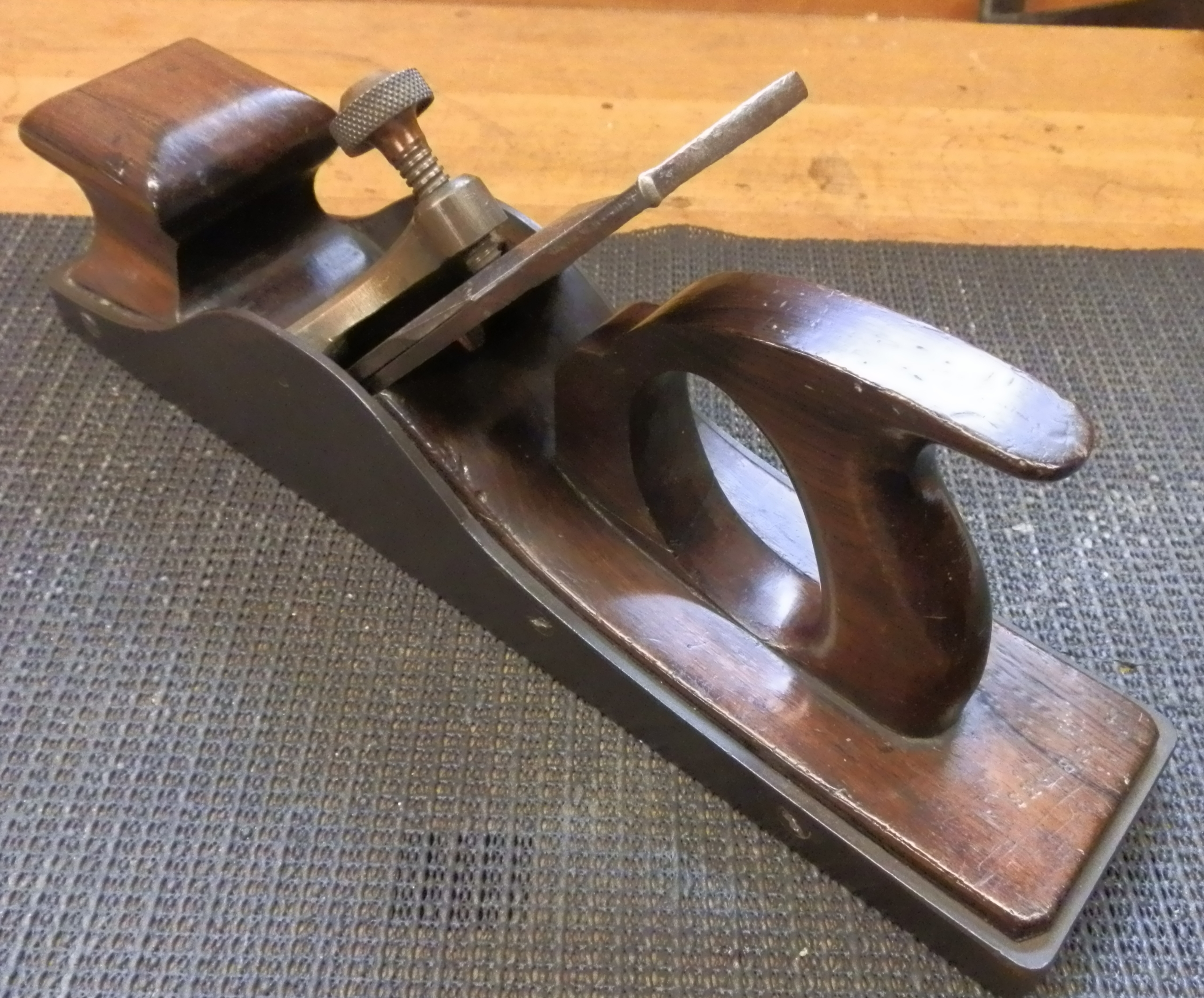
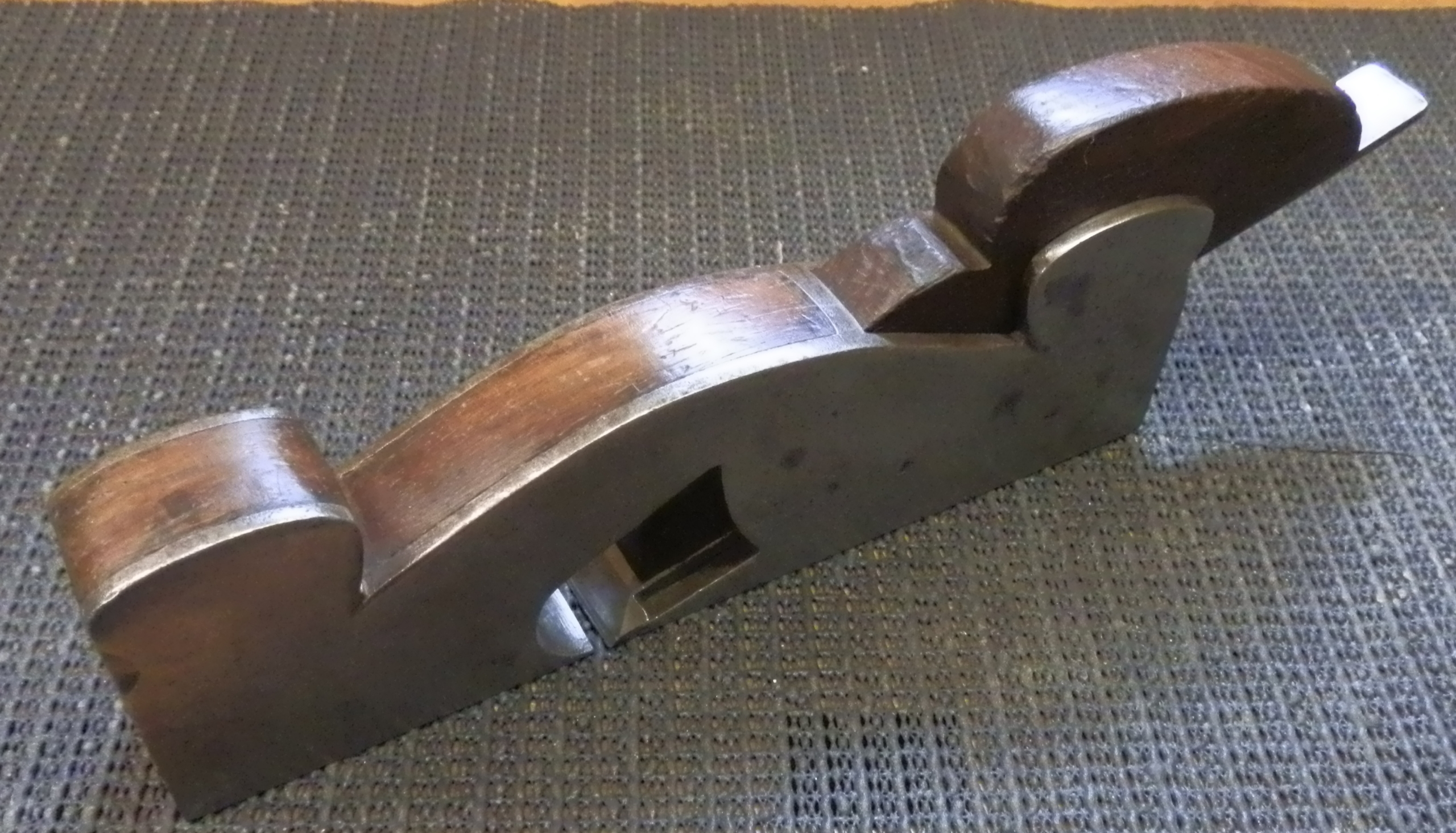
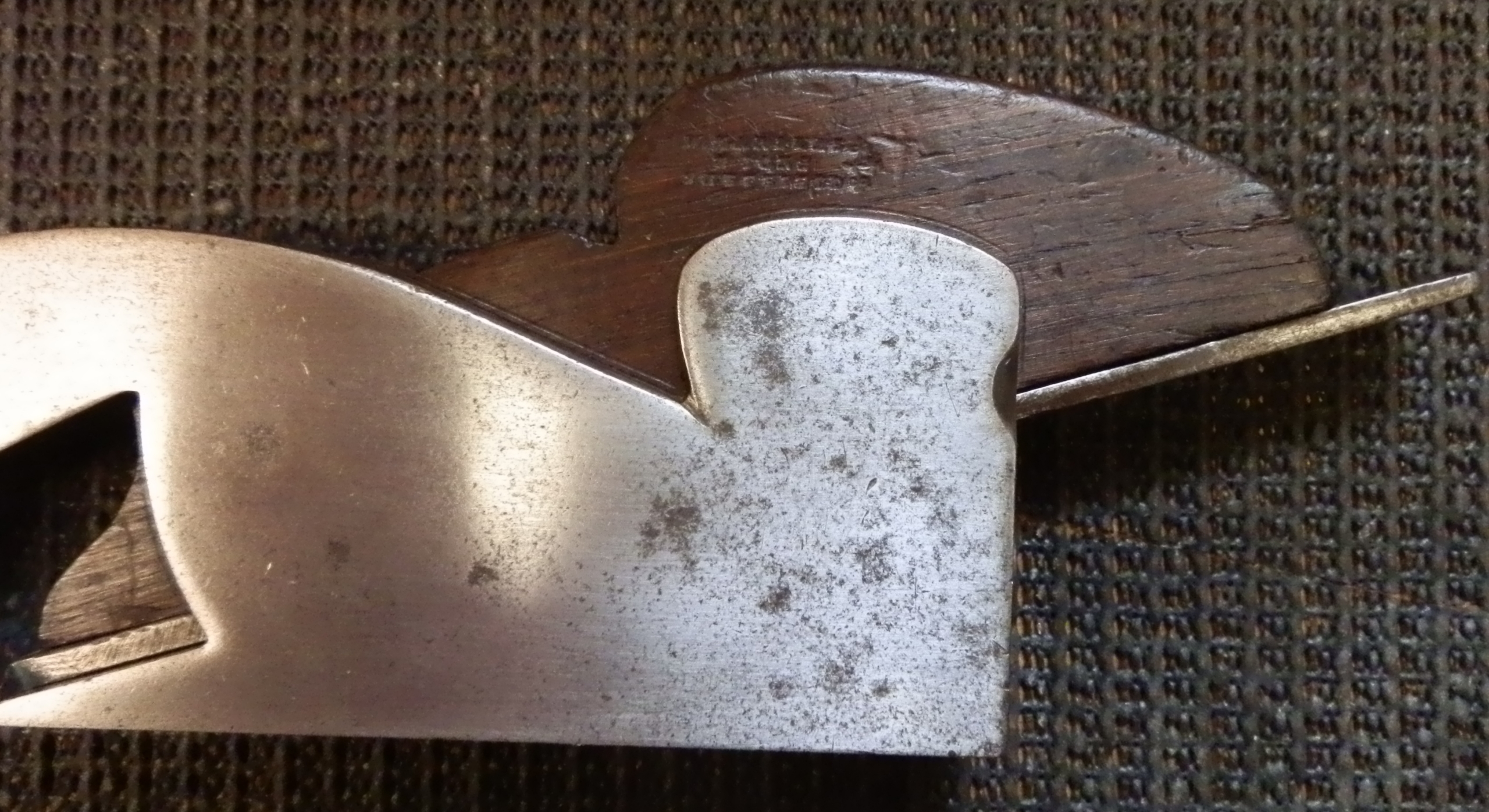
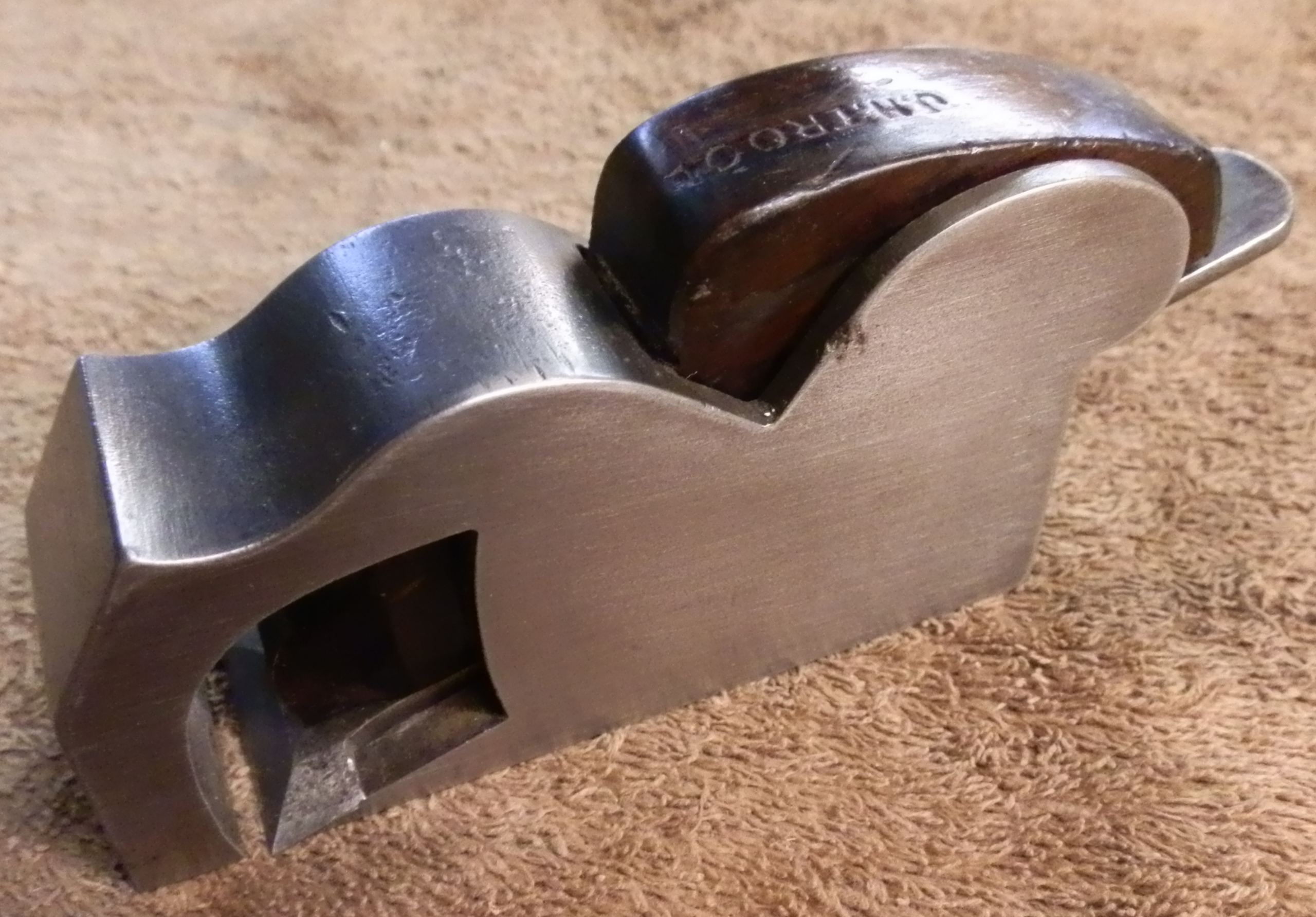
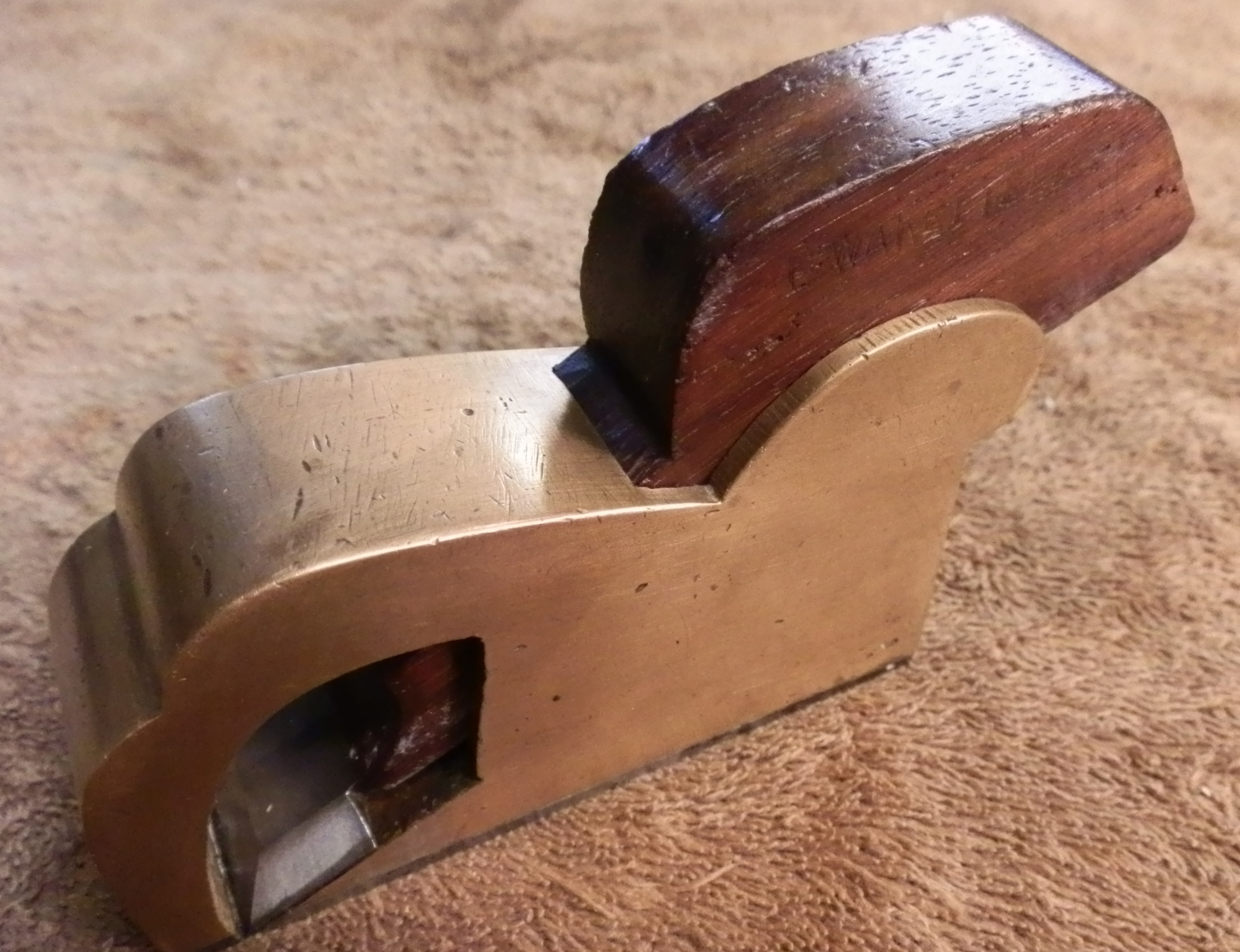
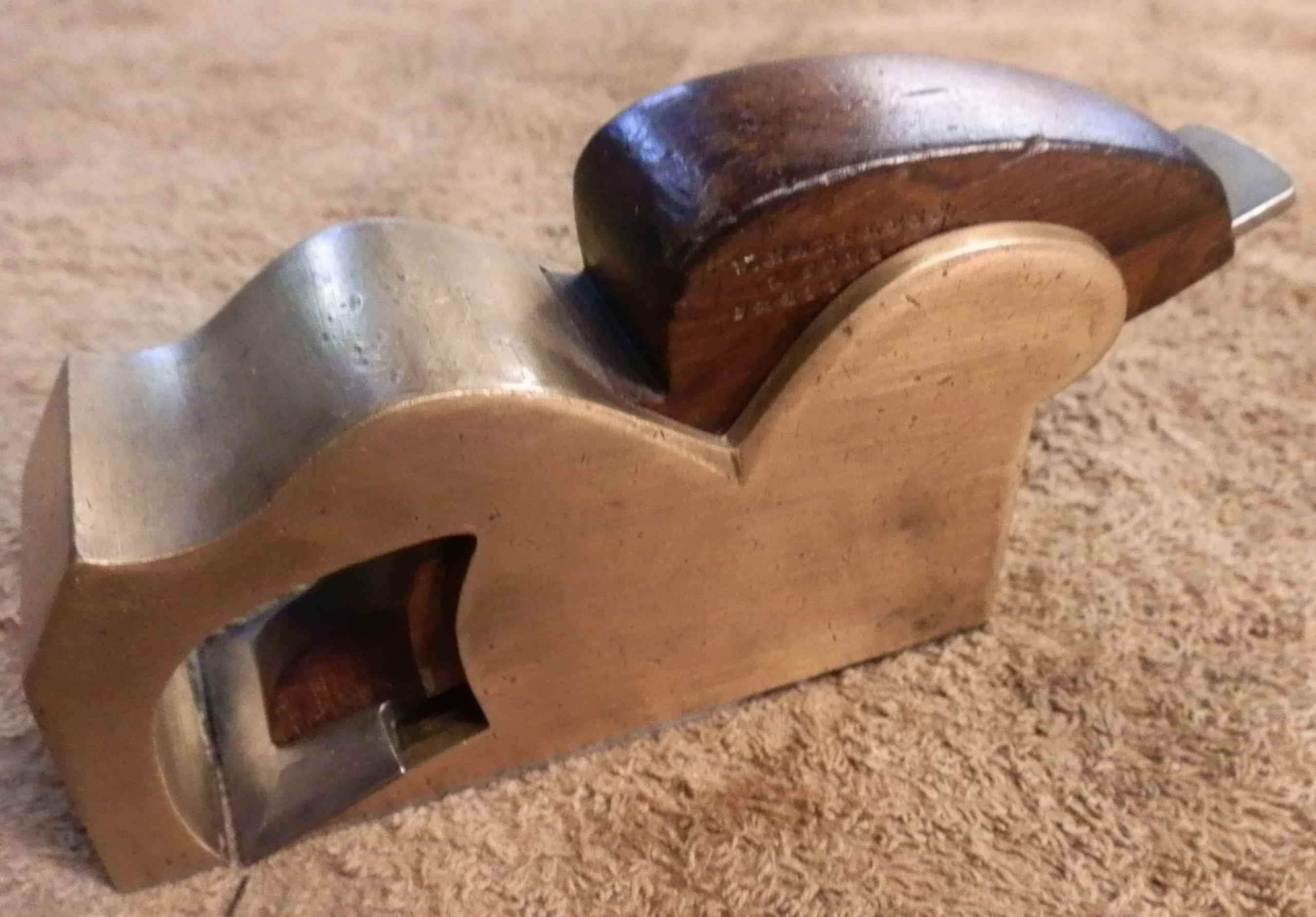
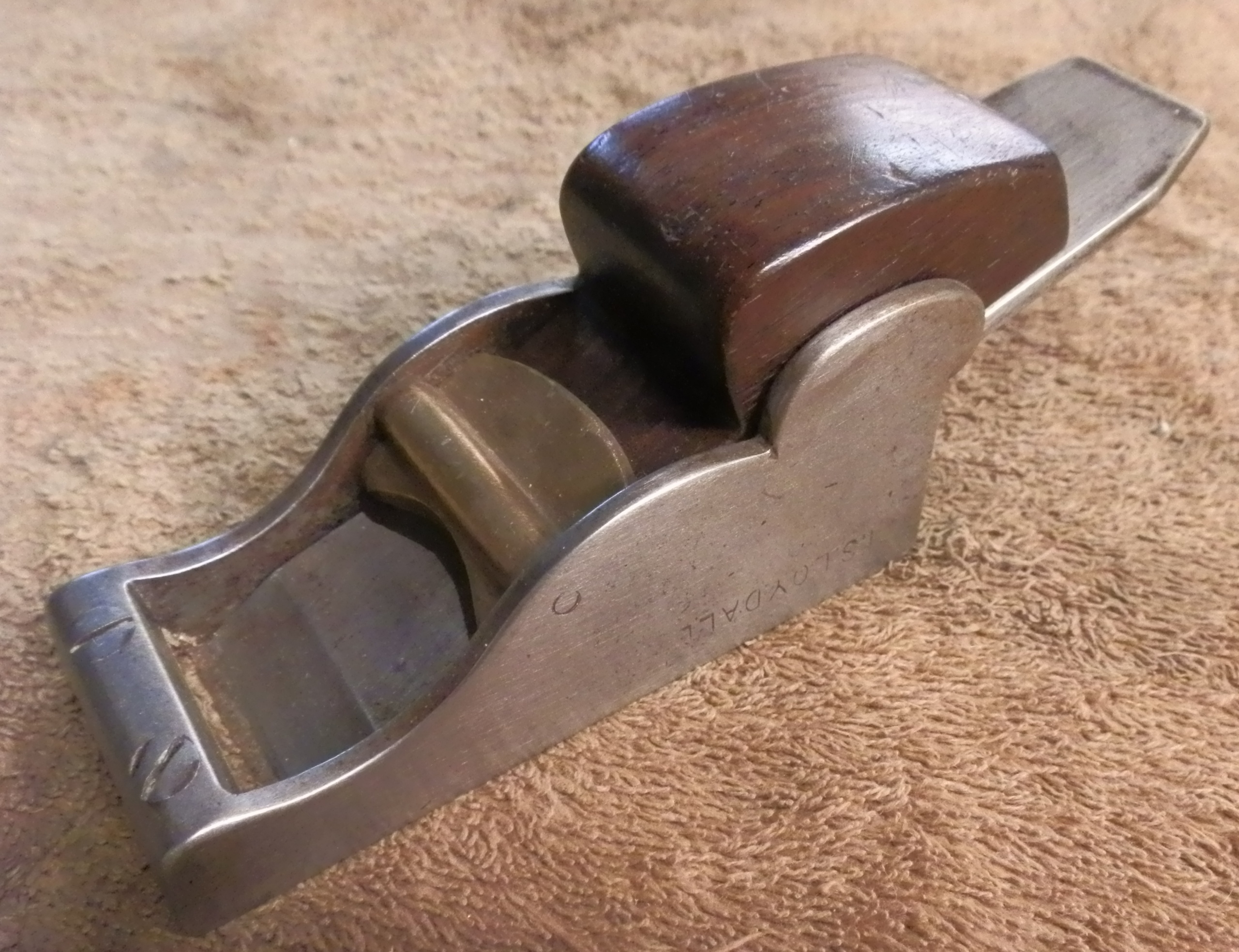
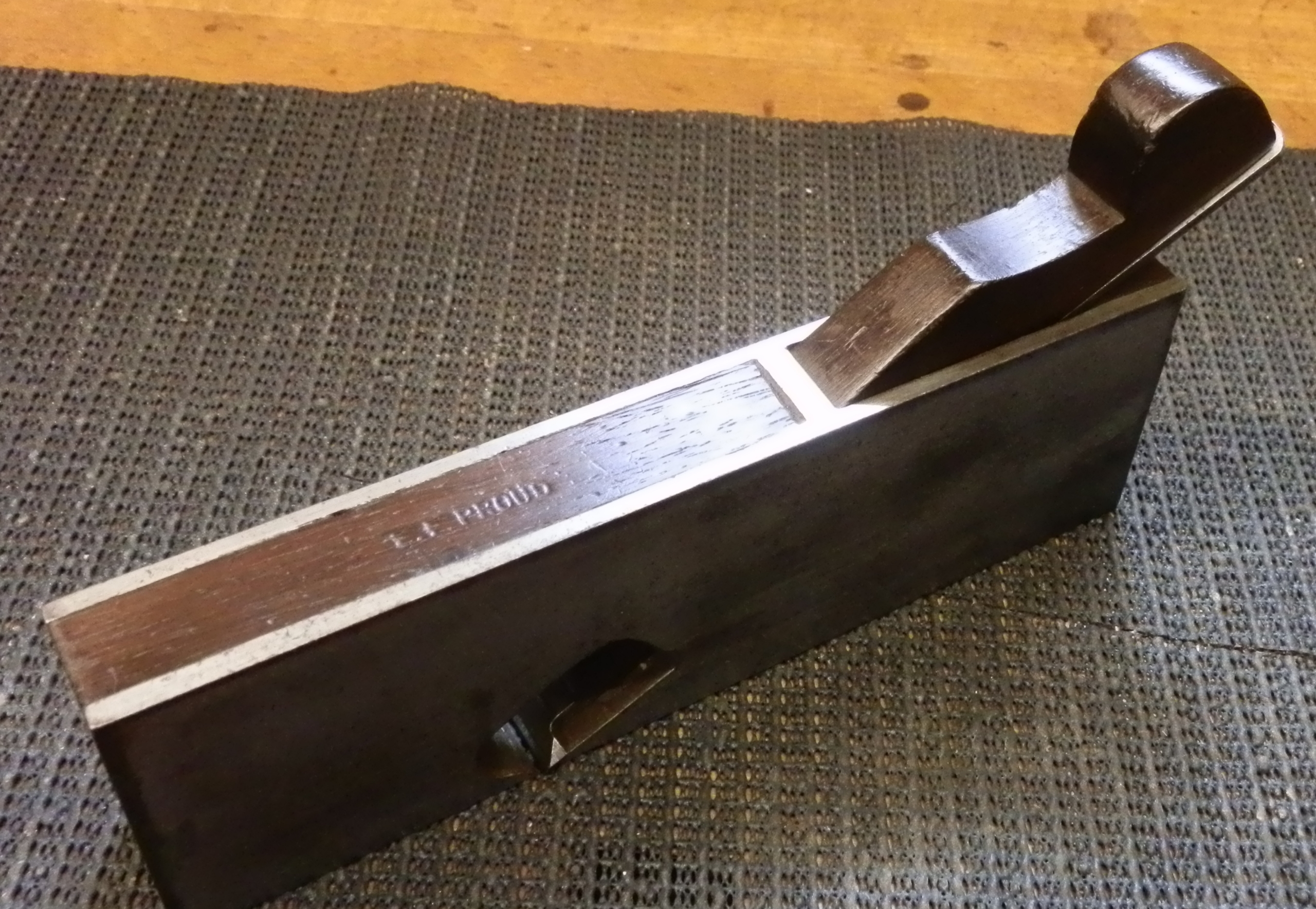
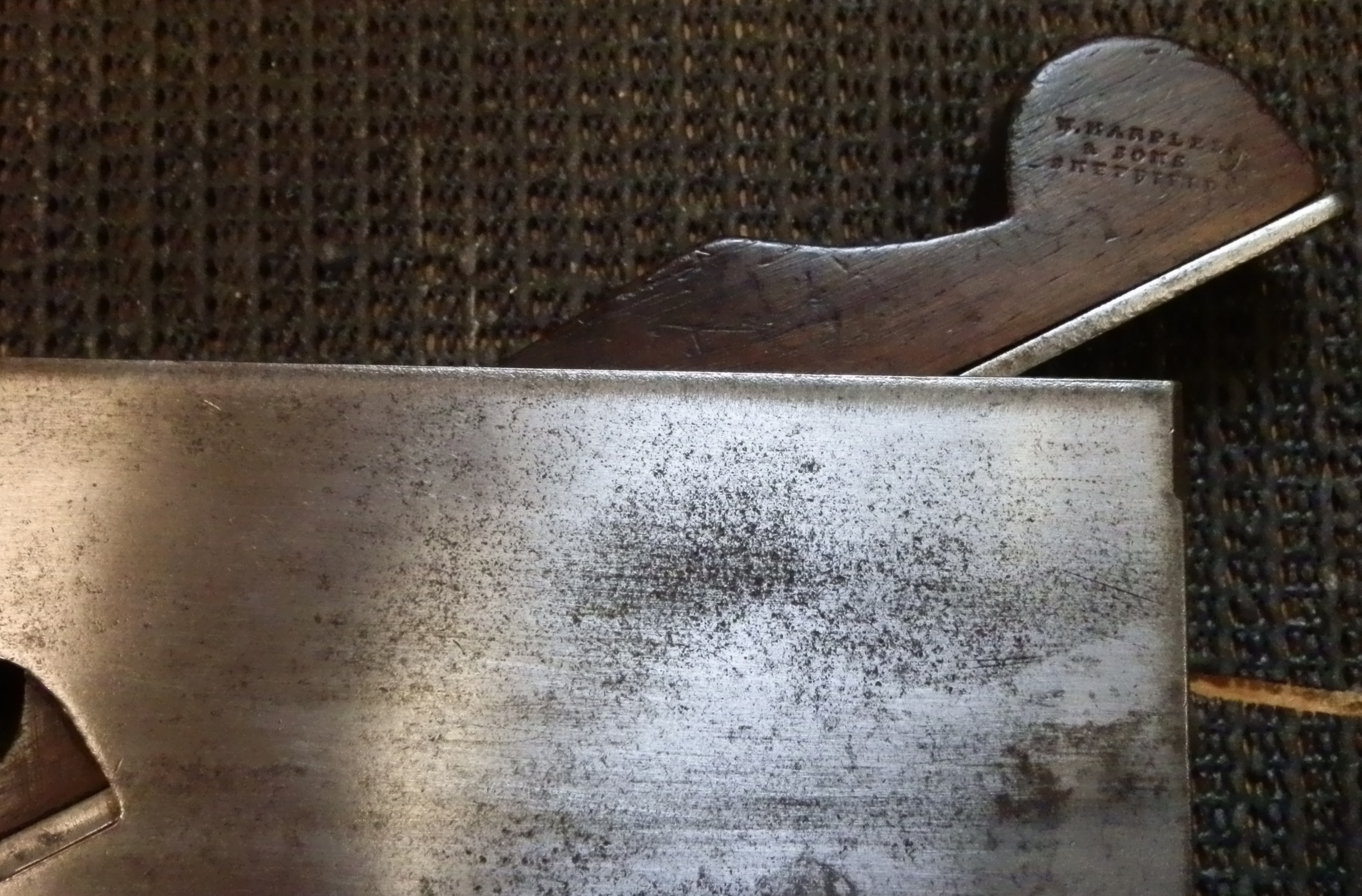
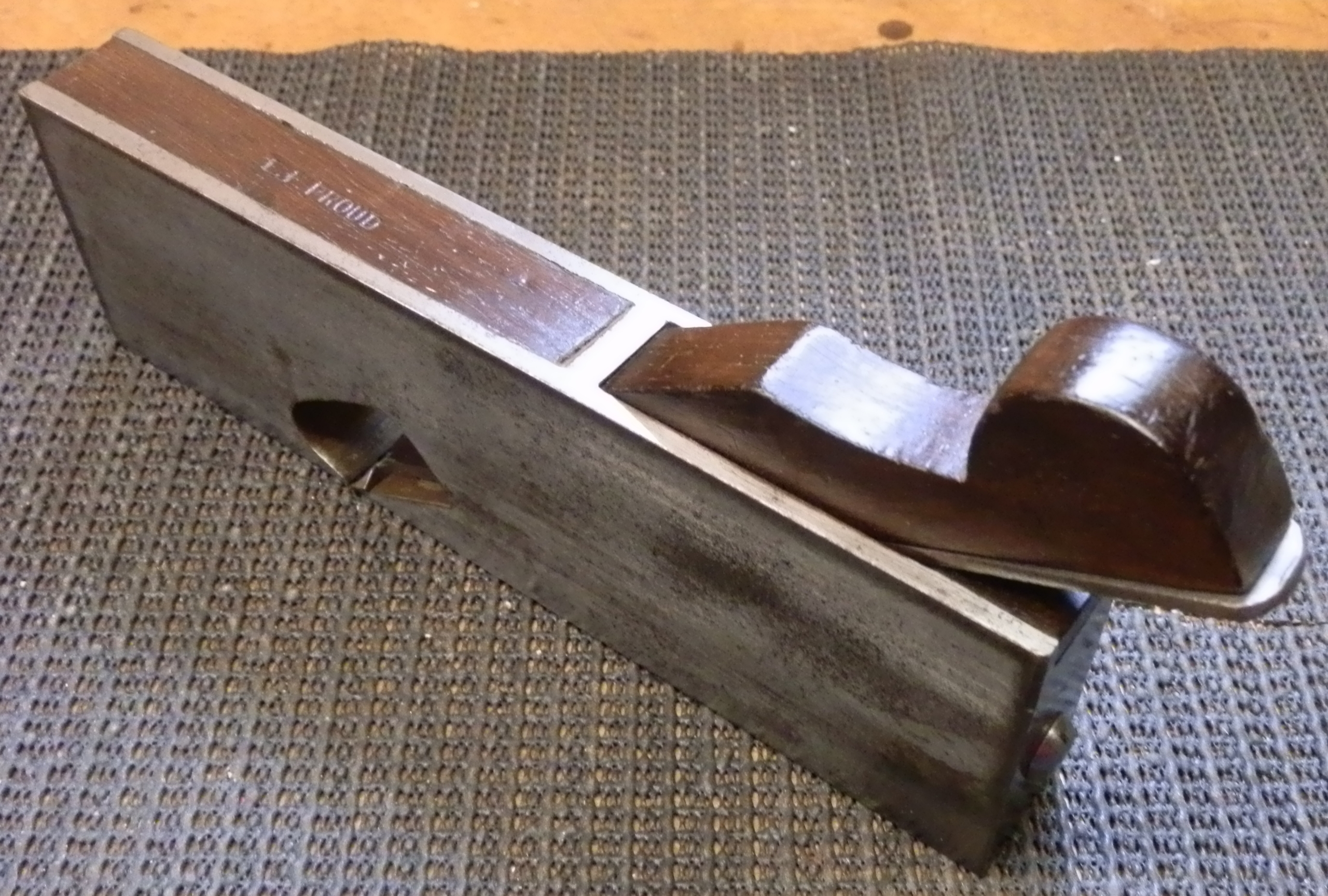
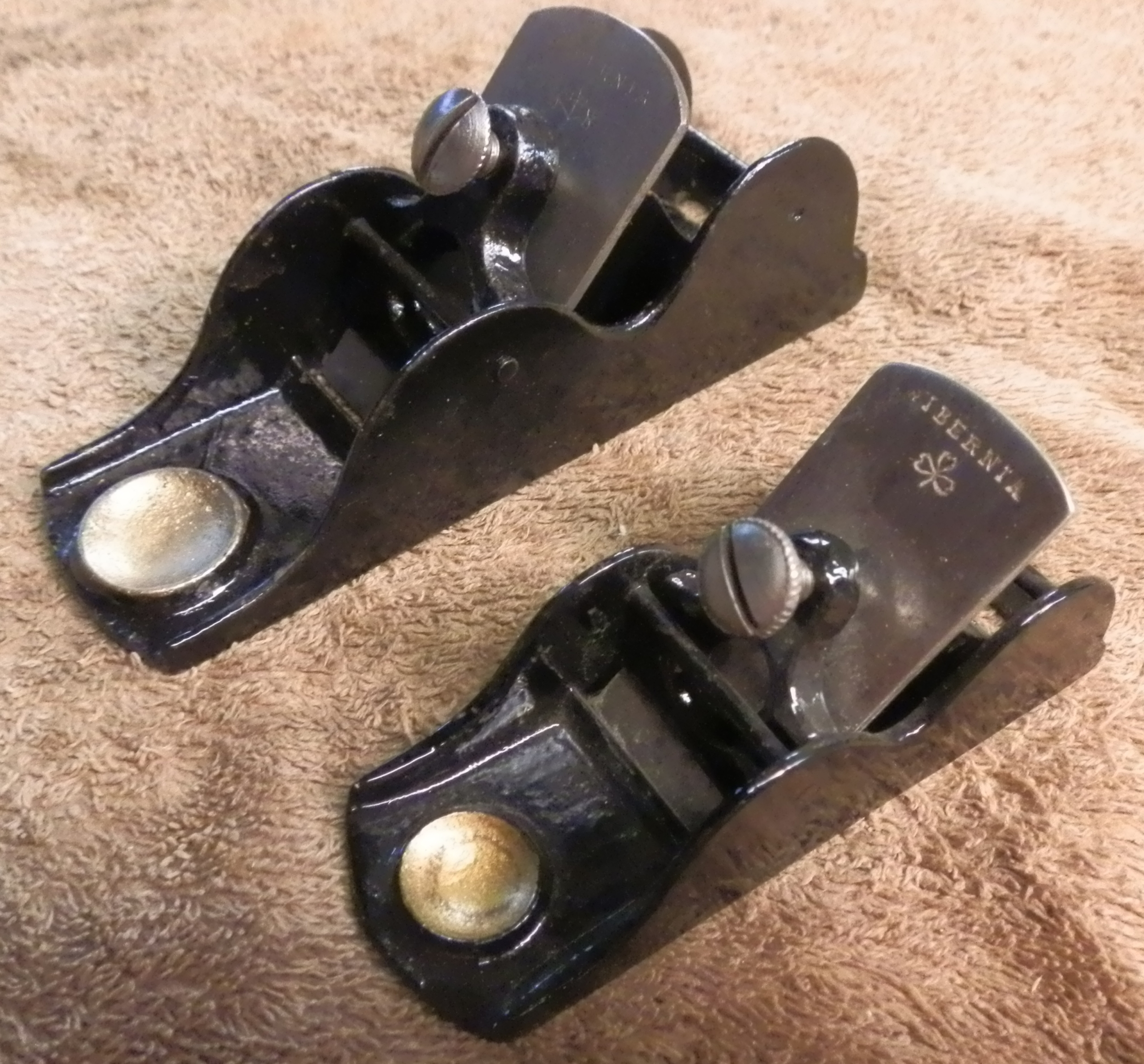
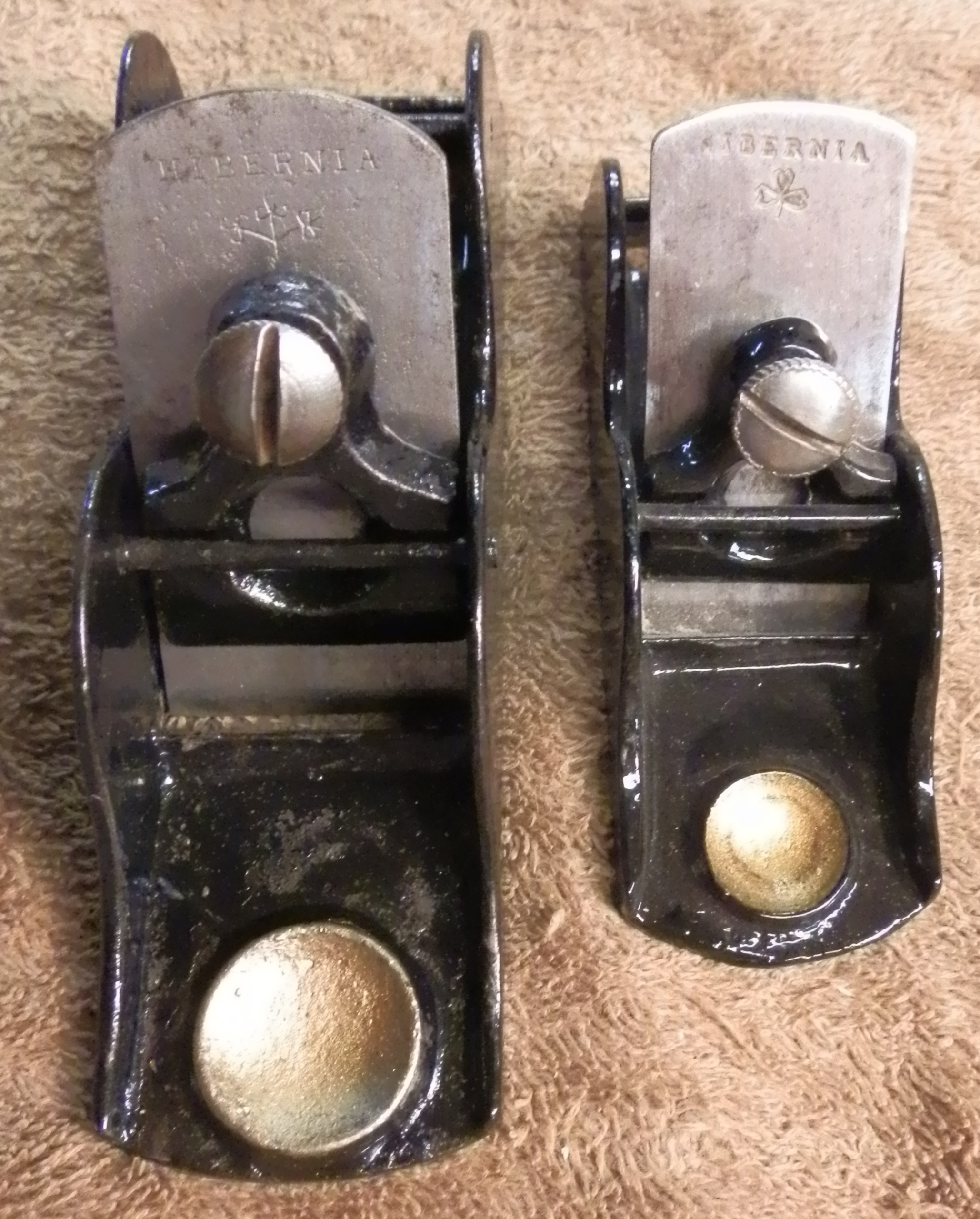
The first reference that I can find to show that MARPLES sold Infill Planes is in the 1888 Catalogue and these planes were almost certainly all made for MARPLES by the firm of Henry Slater in Clerkenwell, London. Slater made these style planes for very many other companies and he would most often leave his mark hidden somewhere on the plane if it was not badged as being made by SLATER. [his mark was usually on the Gun Metal lever cap] . So only those planes clearly marked on the wedge/Lever cap as being a ‘MARPLES’ can really be considered a MARPLES plane.
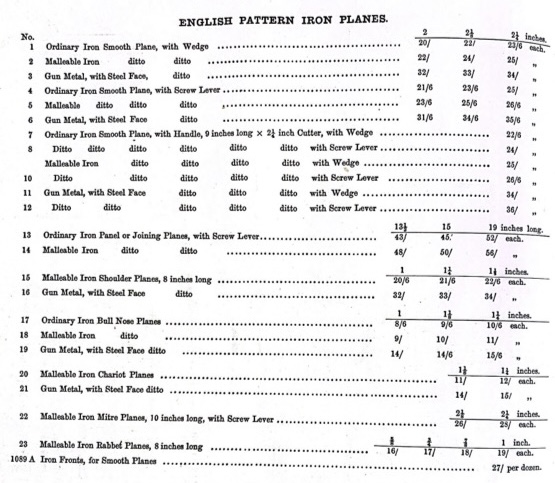
The 1888 and 1891 Catalogues [below] show identical listings under the heading…”English Pattern Iron Planes‘ and the planes were numbered 1 through 23. Some of these planes may have a letter ‘M’ stamped into the heel of the plane and I believe that this was applied to those iron Planes that were made from ‘Malleable Iron’.
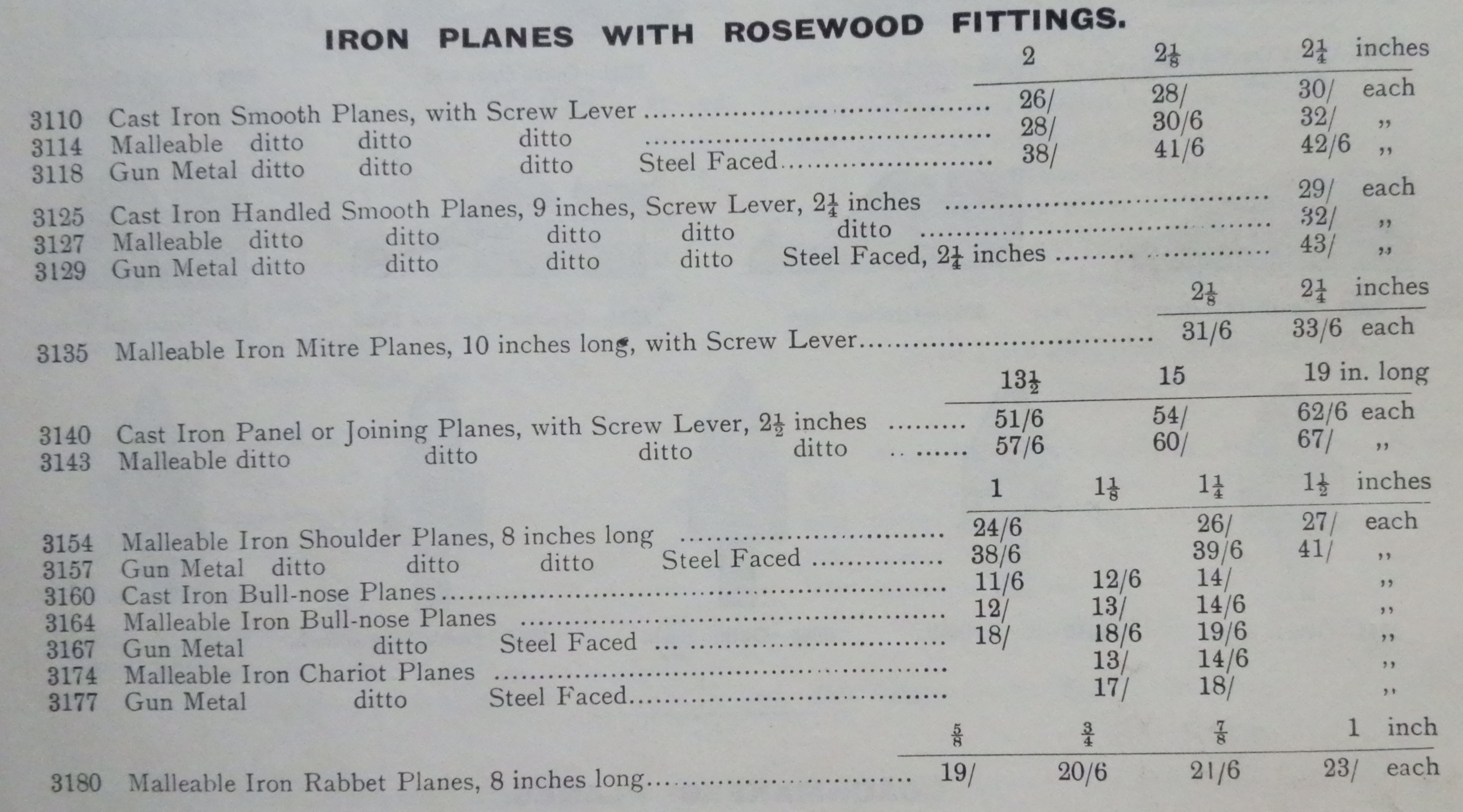
The 1897 Catalogue shows the same number of planes listed but now under the heading of ‘Iron Planes with Rosewood Fittings‘.
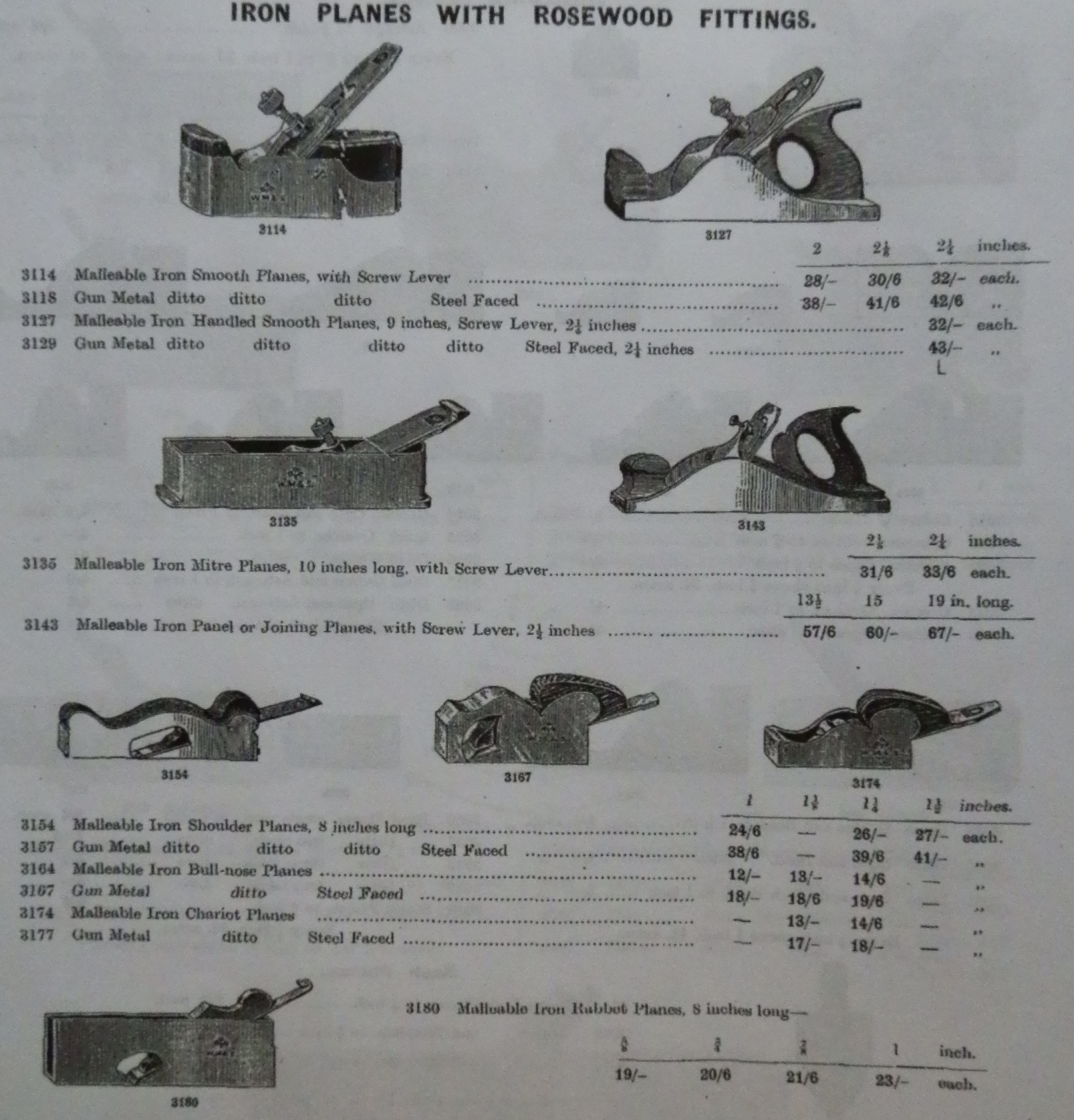
The 1909 Catalogue shows that the plane numbers have all been changed and that all planes with Wedges had been discontinued [ i.e. 1;2;3;7;9;11 ].
Some additional cutter widths had also been added for some planes.
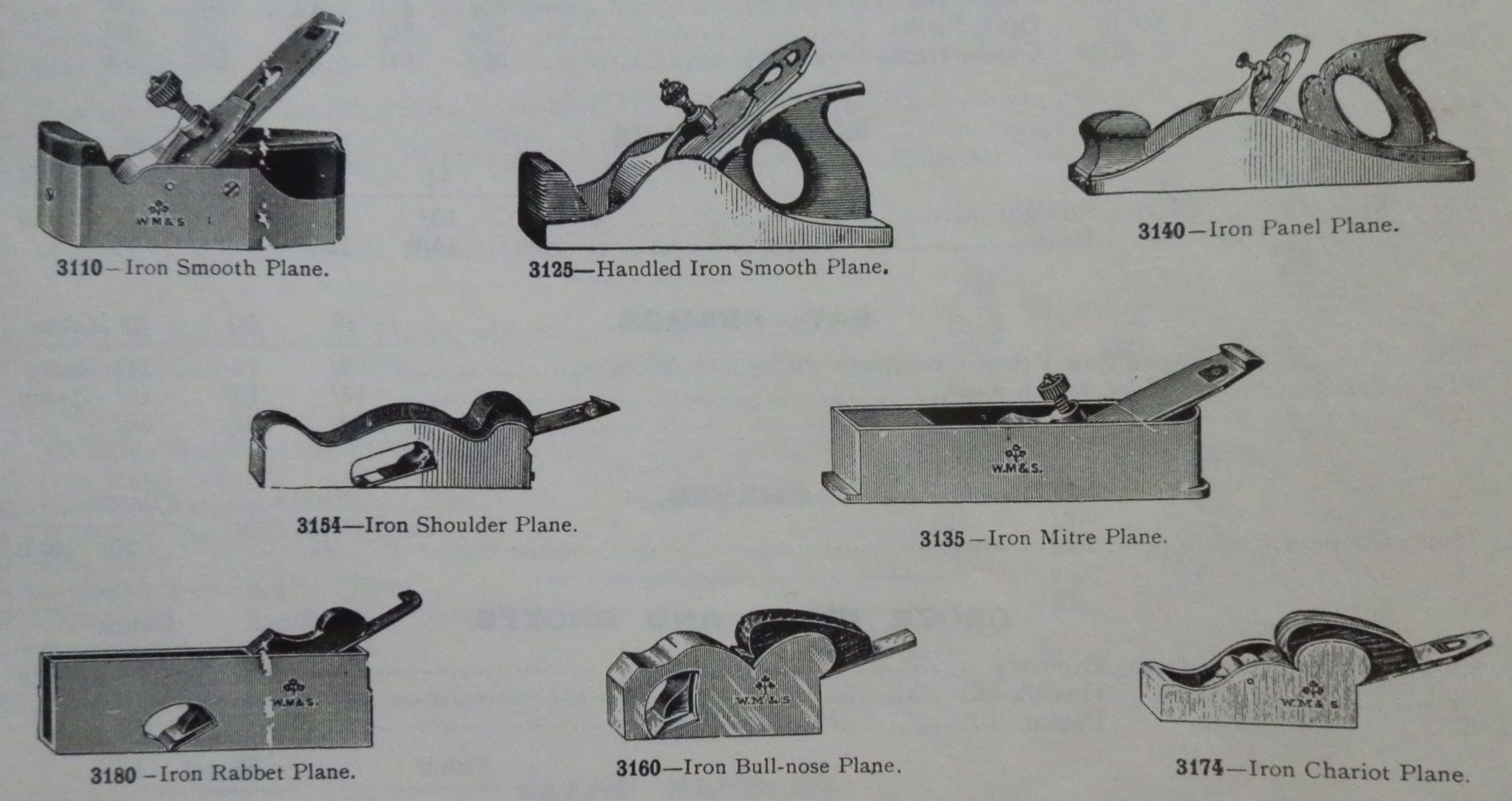
The 1921 catalogue shows that all Cast Iron planes had by then been discontinued [3110;3125;3140 and 3160]. None of these Infill planes appear in 1928, so c.1925 was the last production date. The 1909 Catalogue shows that all plane item numbers had been changed…see the pages below.
GALLERY:
Plane #1 /2/3 was produced c.1885 – c.1905. the ‘Wedge’ planes being all discontinued prior to 1909.
Plane #4/5/6 was available c.1885-c.1925:
Plane #8/10 was produced c.1885-c.1925:
Plane #13/14: was available c.1885-c.1925:
Plane #15/16 was available c.1885-c.1925:
Note: MARPLES mark on Rosewood wedge.
Plane #17 Available c.1885-c.1925. This shown is a later [after c.1905] example with a modified nose.
Plane #19 Available c.1885-c.1925. The first photo is of the earlier version [<c.1905] and the second is of the later modified nose version. Both are Gun Metal with a Steel Face:
Plane #20 Available c.1885-c.1925 [always Malleable]:
Plane #23 Available c.1885-c.1925 [always Malleable]:
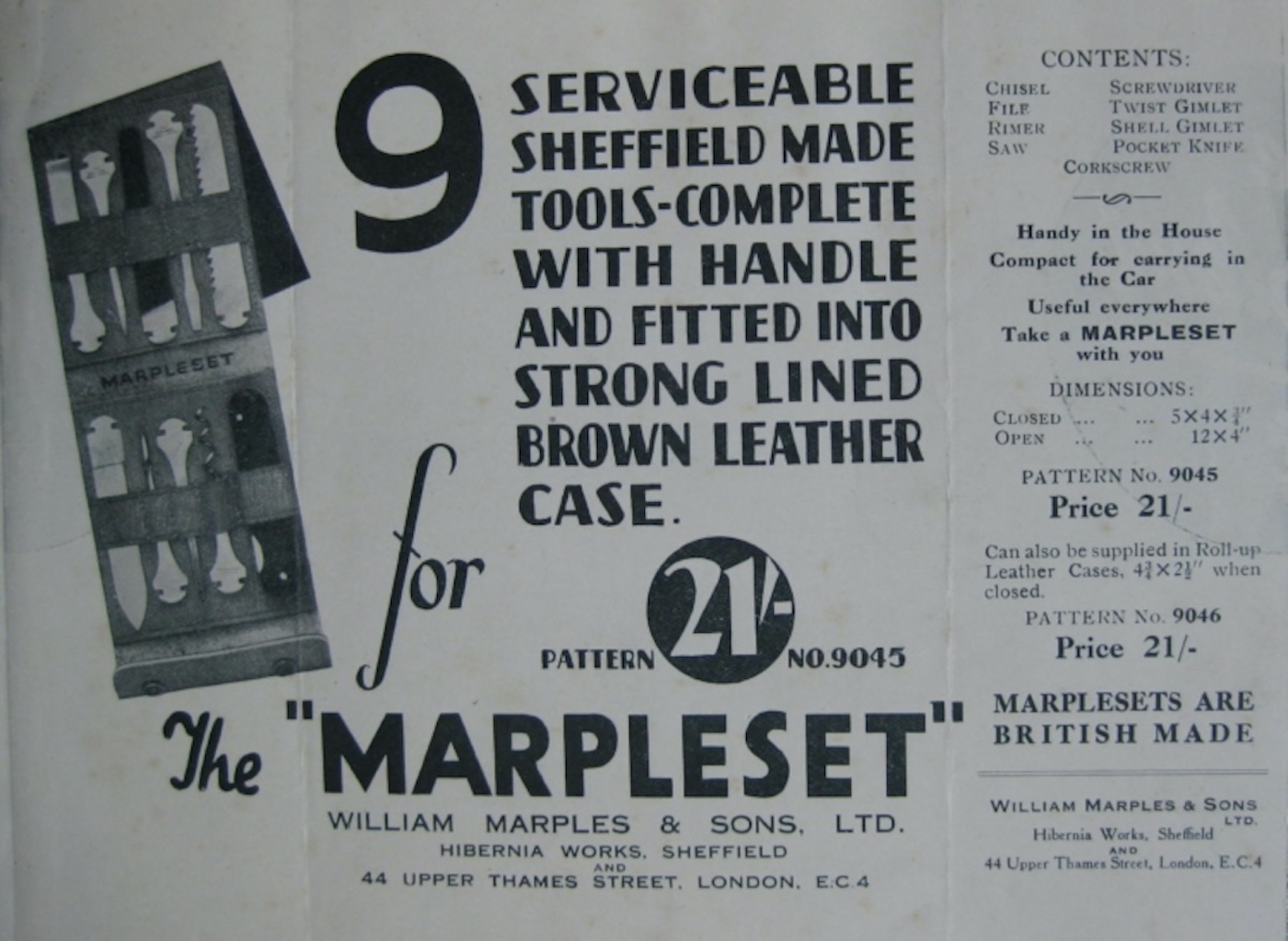
The “MARPLESET”
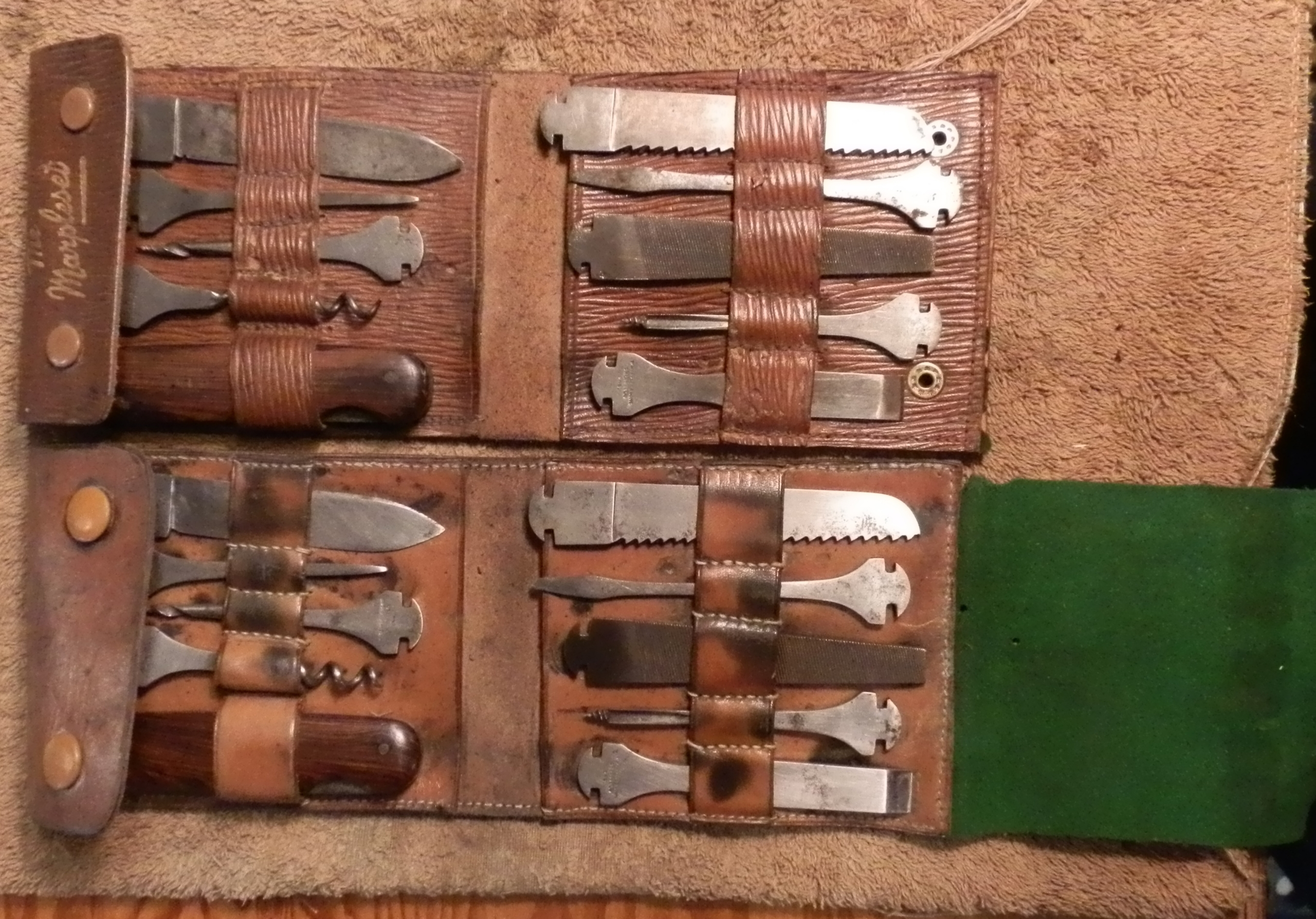
This set of household tools is first seen as a page insert to p.217 in the 1928 Catalogue. It does not show in 1938 probably due to the poor design of the holding spring mechanisms which lead to broken spring catches. They were designed to hold 9 different tools for light use and these tools could be held in the ‘handle’ both in a knife aspect or a corkscrew aspect. [see pictures below]
They could be had in a roll or a leather wallet [Items 9405 and 9406.]
Rare to find intact and as a complete set!!
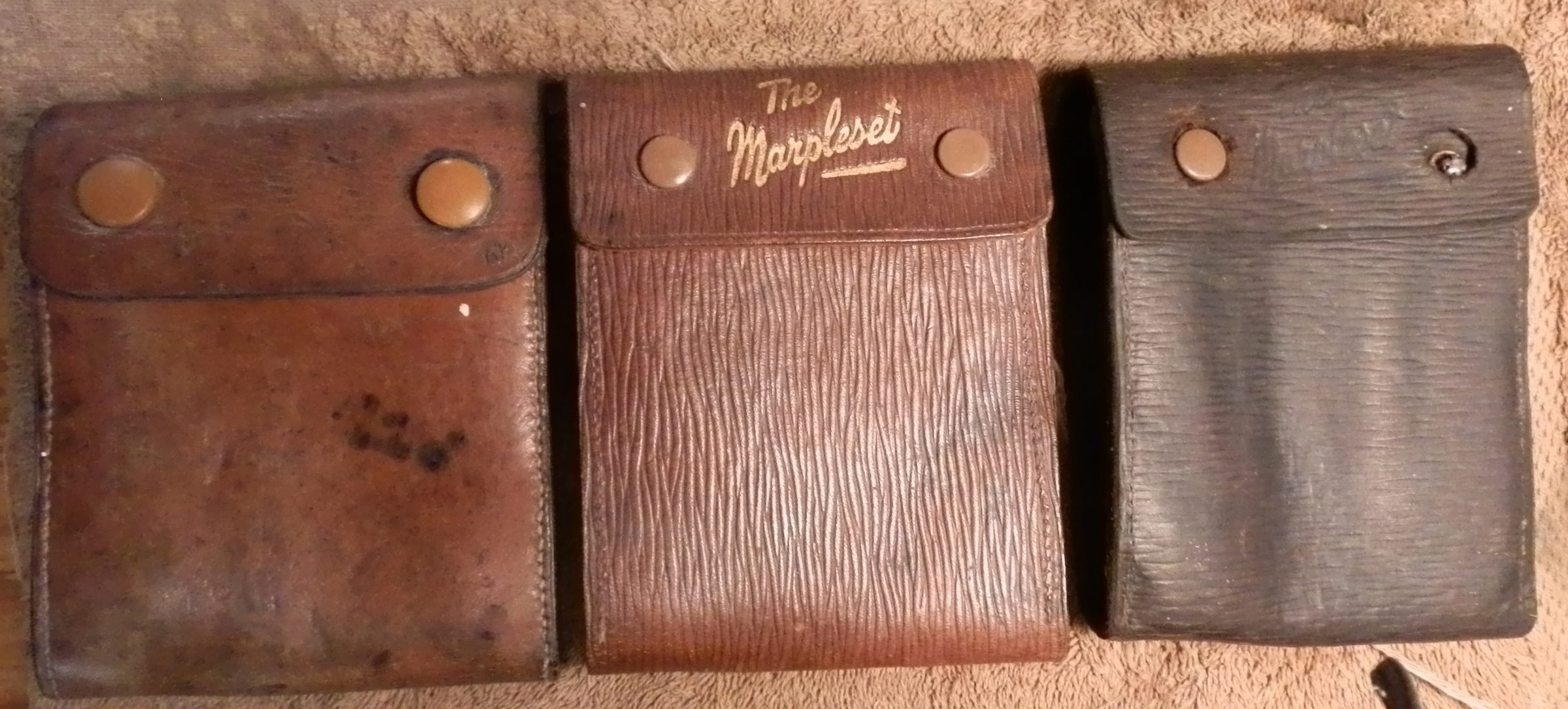
The first issue was held in a tough leather wallet [Left below] but later issues were in different coloured less hardy leather wallets. [middle and Right below]
Here are 2 complete sets that I made from 3!!! The green baize insert was put on ALL these MARPLESETs to keep the individual tools apart. This may be missing on many sets.
Rules..Shockproof folding
These white Nylon rulers with Stainless steel fittings are first seen c.1966 when they were introduced as a 2 foot rule. [Item #2250]. Around March 1968 the line was expanded when the 3ft#2250 was introduced.
[See below]
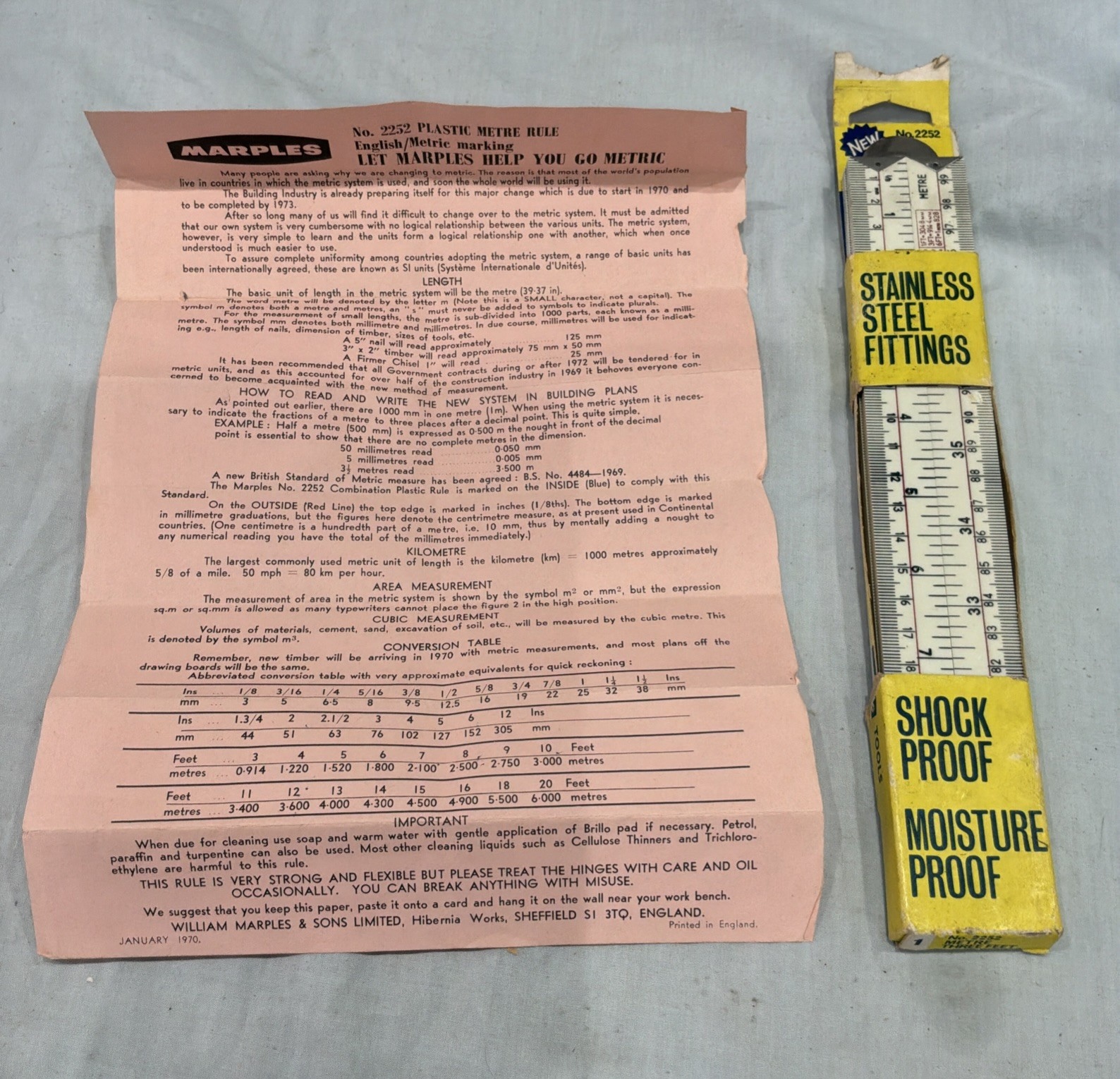
Around 1971, due to metrification in the UK a 1 metre rule [#2251] was produced and also a #2252 was to be had with dual metric and imperial scaling. Below is a #2252 with an included conversion pamphlet describing imperial versus metric lengths.
The 2ft-3ft 2250 lasted from 1966/1968 to August 1973 The 2251 and 2252 lasted from 1971 to September 1980.
The above image is from the 1972 Catalogue.
GALLERY
The first rules [ 2ft 2250] were issued with solid numerals but they were found to wear badly such that by the time that the 3ft 2250 was introduced the numbers are more ‘modern’ and skeletal…see below
The first issues of the 2ft 2250 were retailed inside a plastic sheath:
Below are the later 2ft and 3ft 2250 rules:
They were issued in boxes of 6:
Here is the fully metric 2251:
Below is the 2252, showing the inside and outside faces, and box:
Marking/Striking Knives
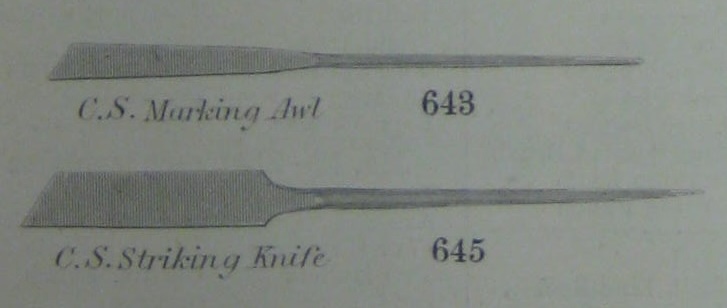
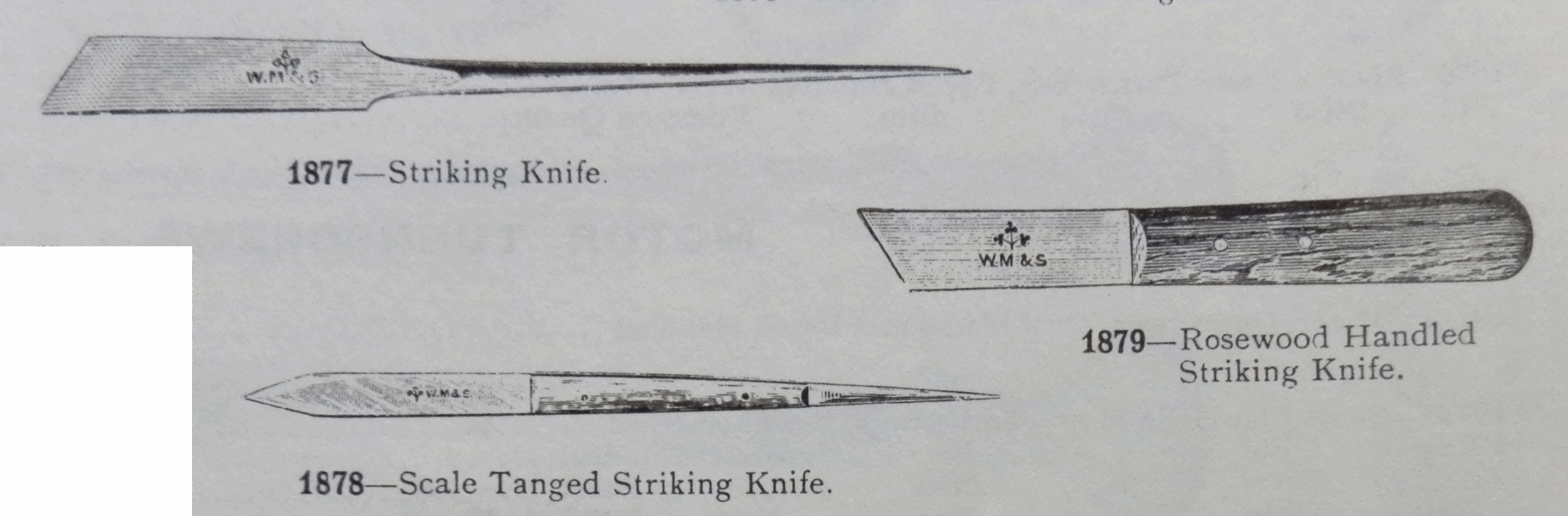
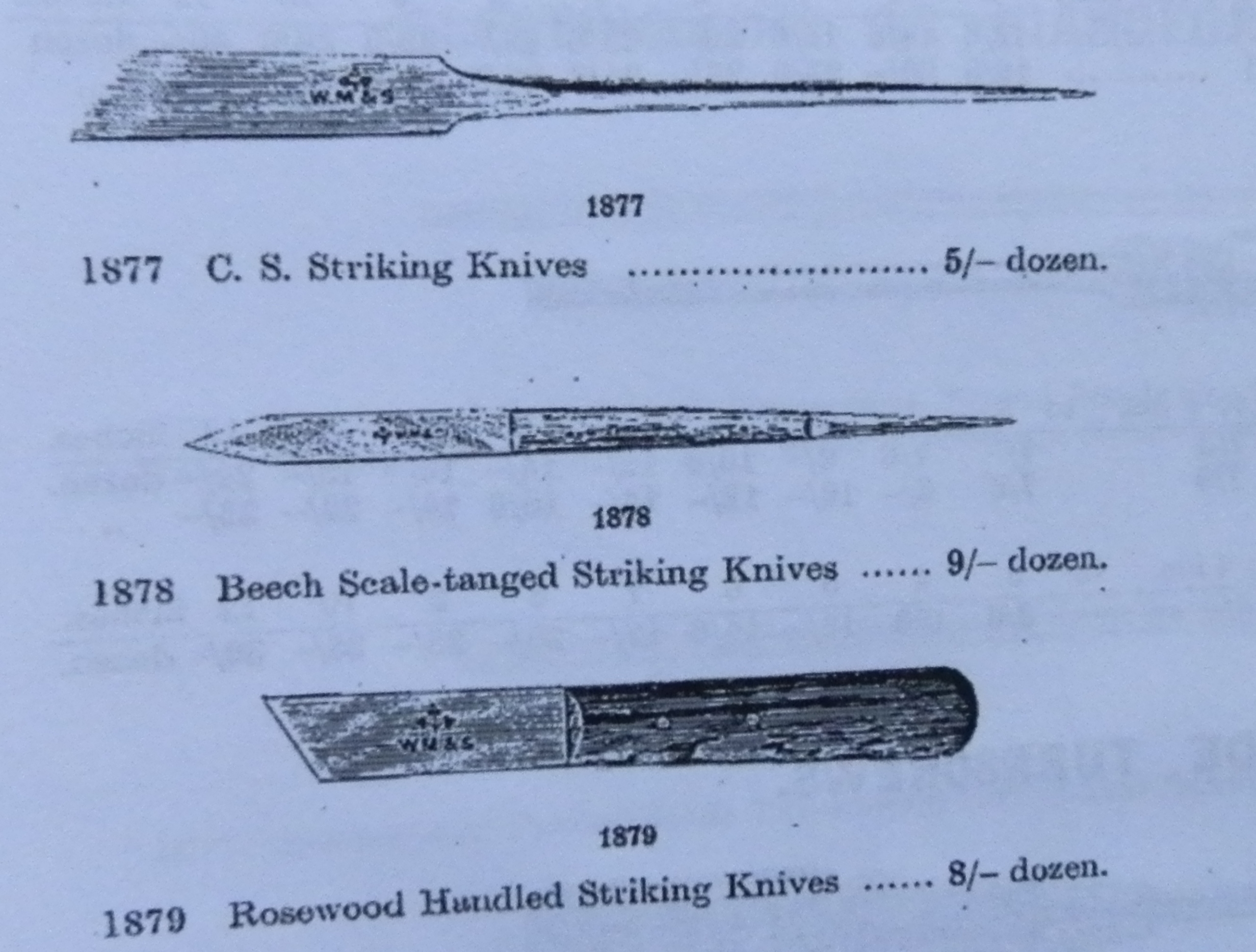
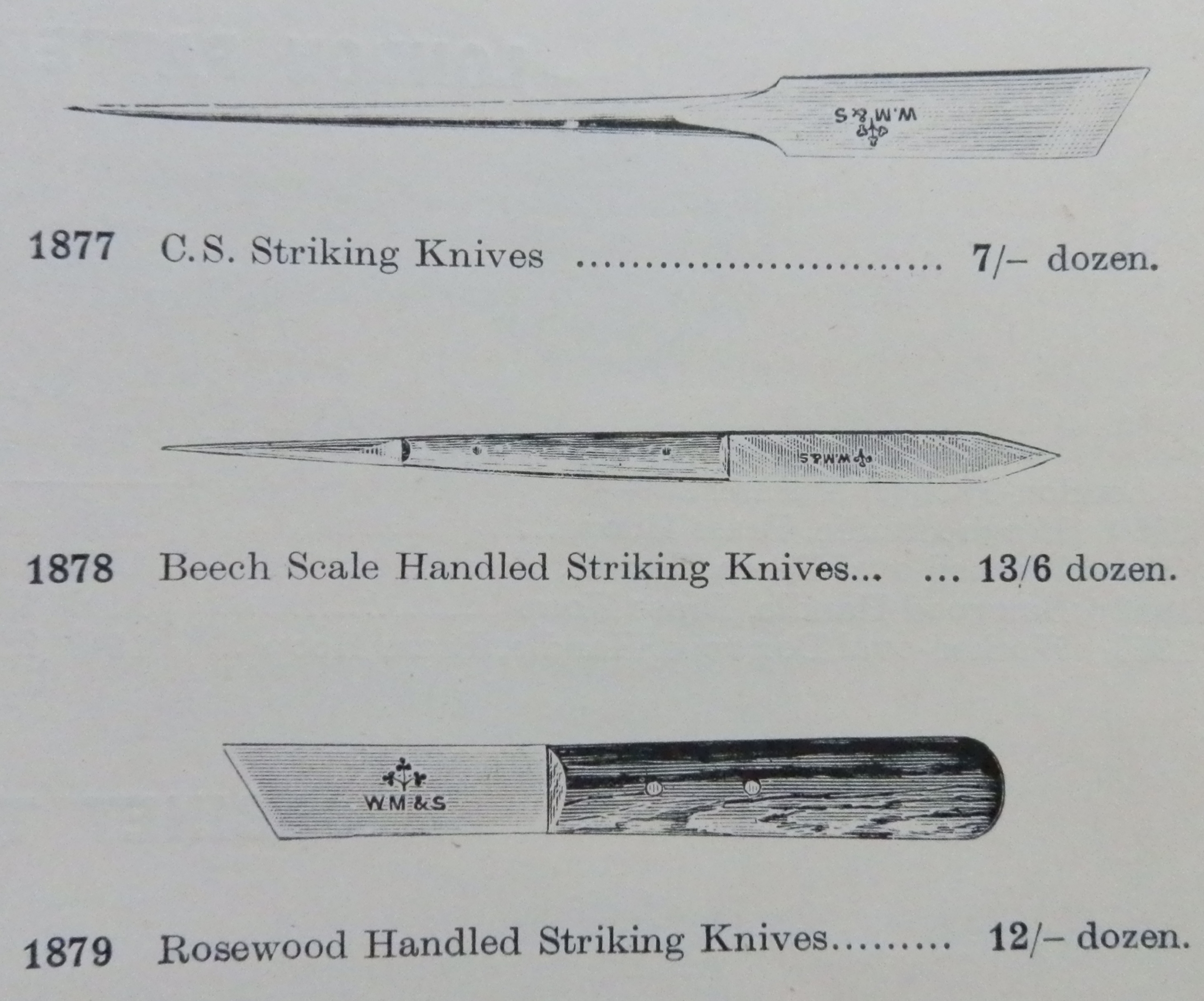
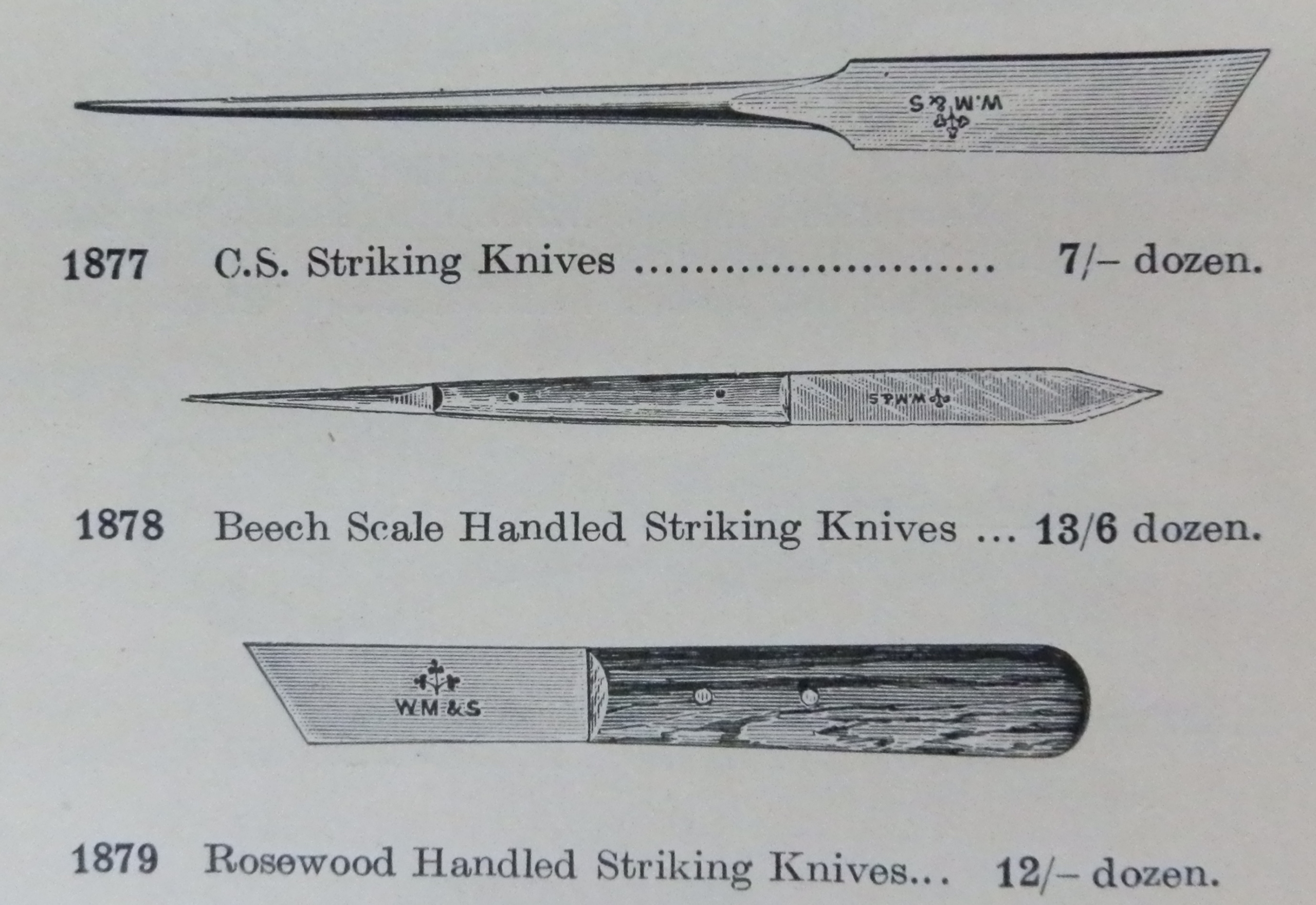
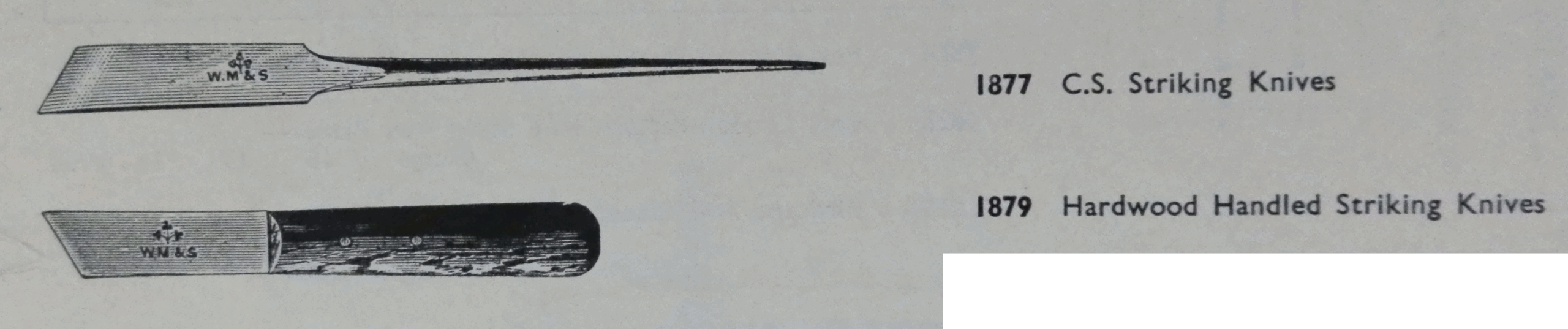
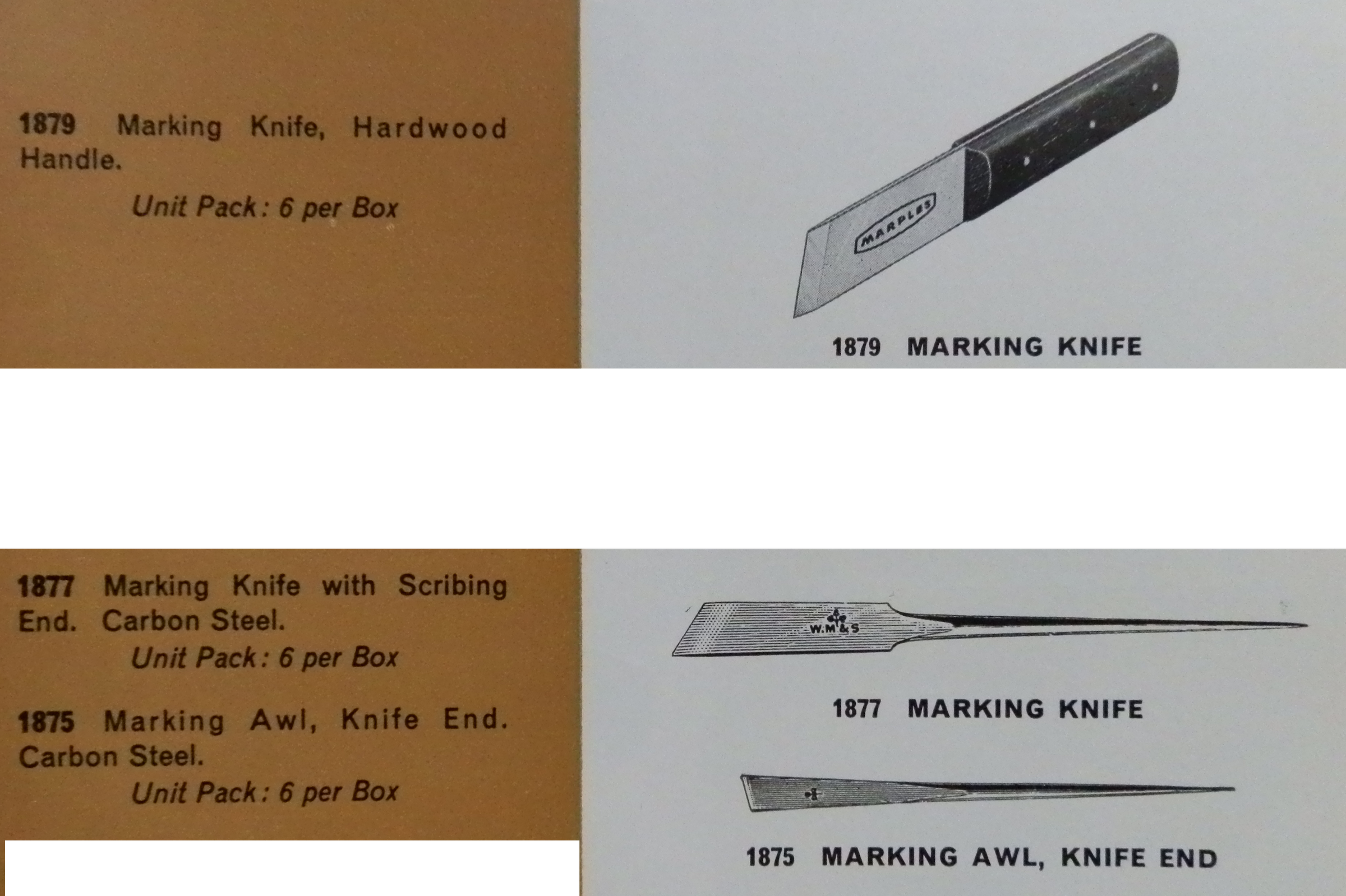
These knives have been part of Carpenter’s tools since before 1862, when I can first find a MARPLES reference. They commonly appear in the catalogues by an un-handled Marking Awl, which is like a smaller version of the Striking knife.
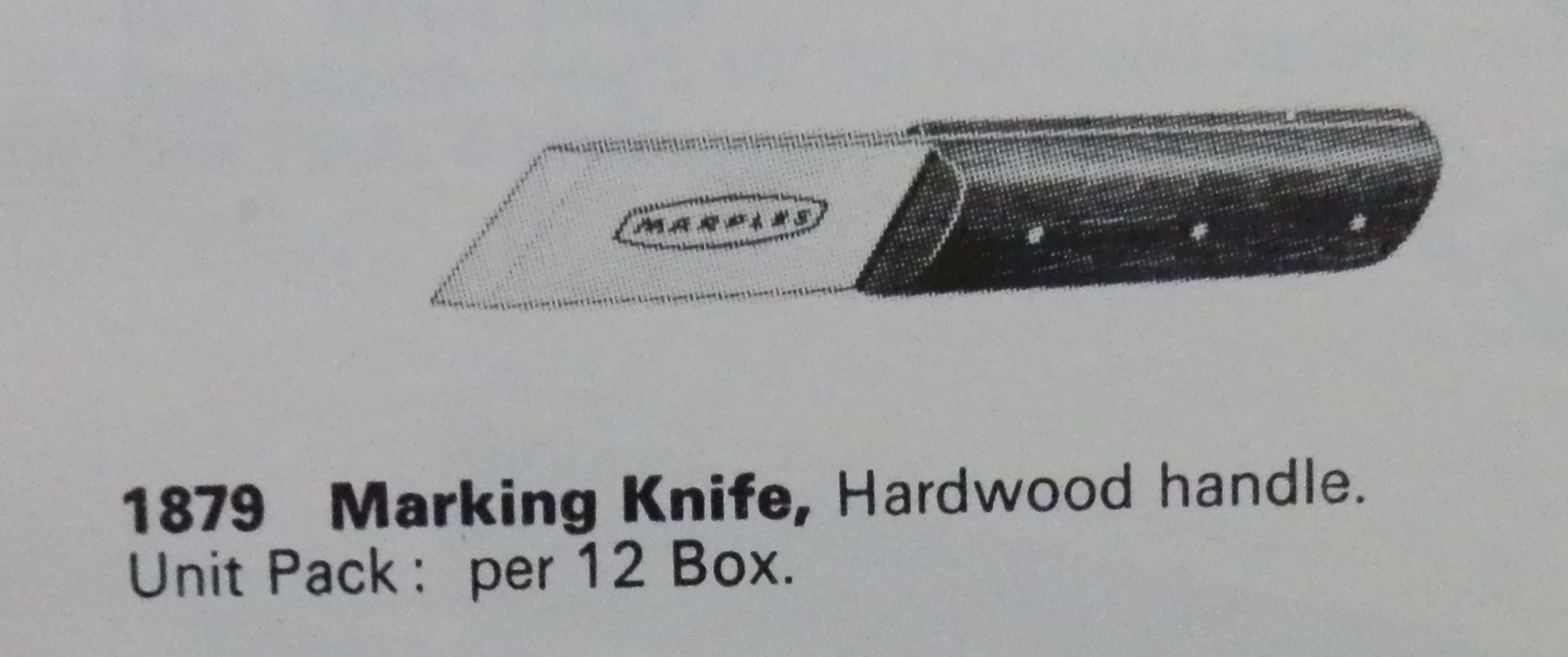
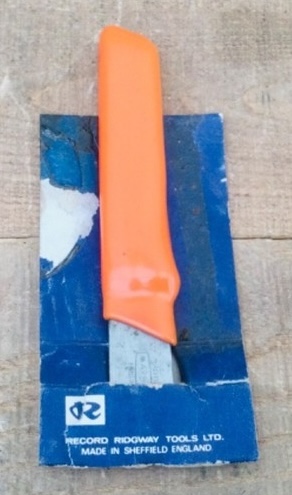
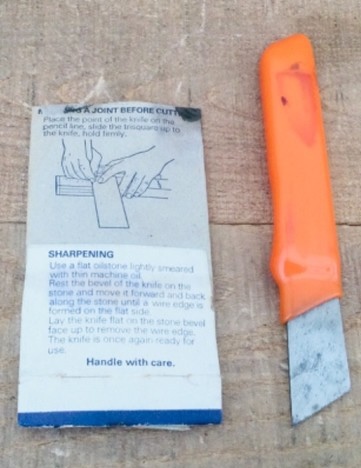
It was not until the 1965 Cat. that the name ‘Marking Knife’ was applied by MARPLES, although I remember that they were called that back in 1957. Up until the 1938 Cat. the wooden scales were of Rosewood but ‘Hardwood’ is the description given thereafter. The item #1879 is still described as having Hardwood handles in the 1972 Cat. but by 1983 [Record Ridgeway Group] the tool came with an Orange rubber coating over the handle.
Here are the listings:
1862…..
1873…..
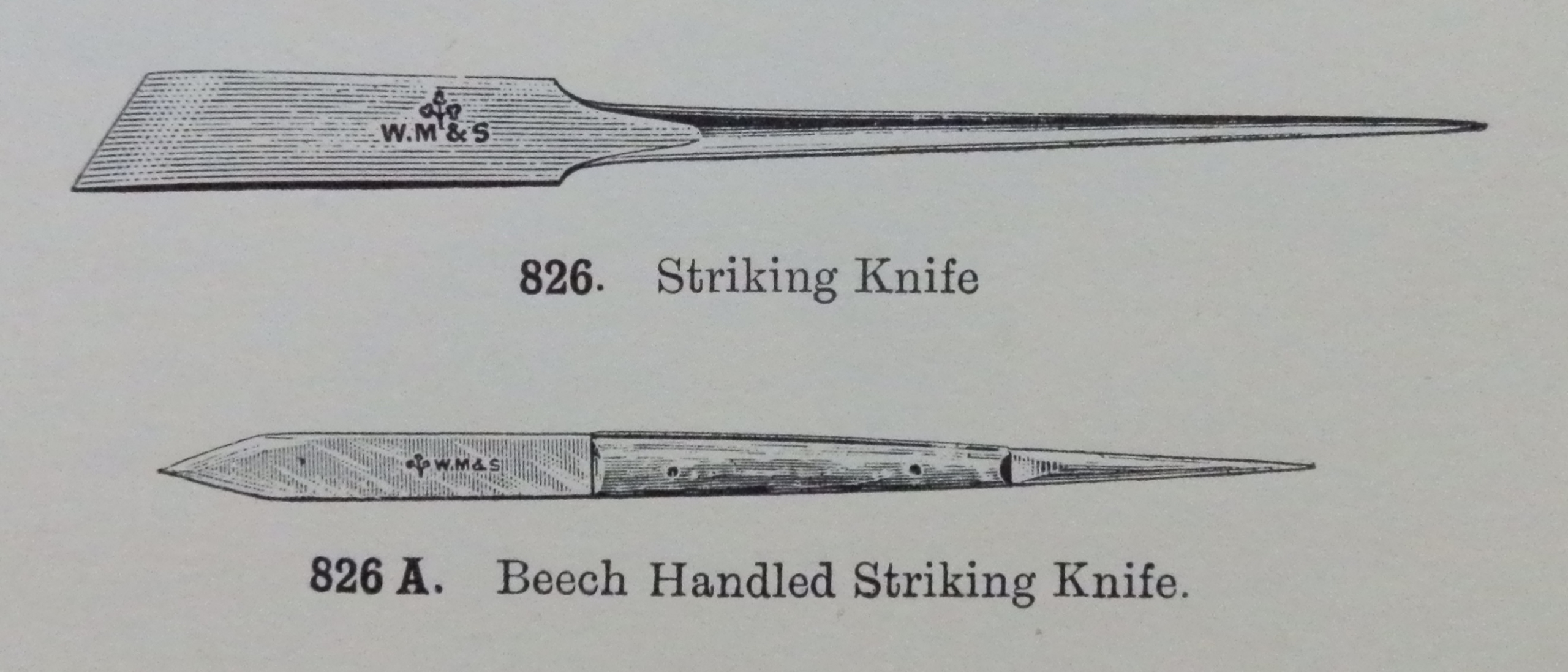
1888….. Only the #824 ‘Chisel end marking awl is actually shown, but #826 Striking Knife is also listed.
1897…..
1909…..
1921…..
1928…..
1938…..
1959…..
1965…..
1972…..
1983.….Below is Item #M1880 which ceased to be available after Feb 1984
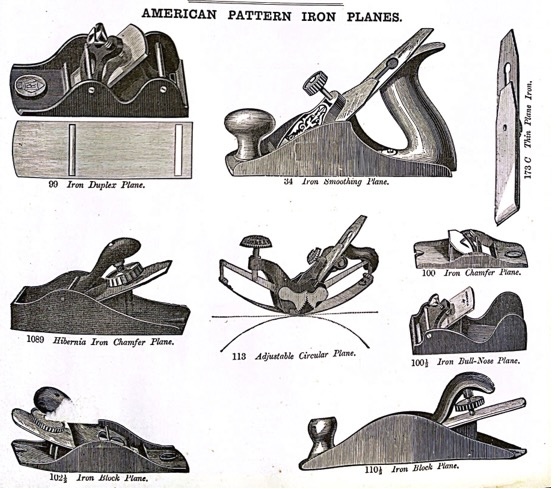
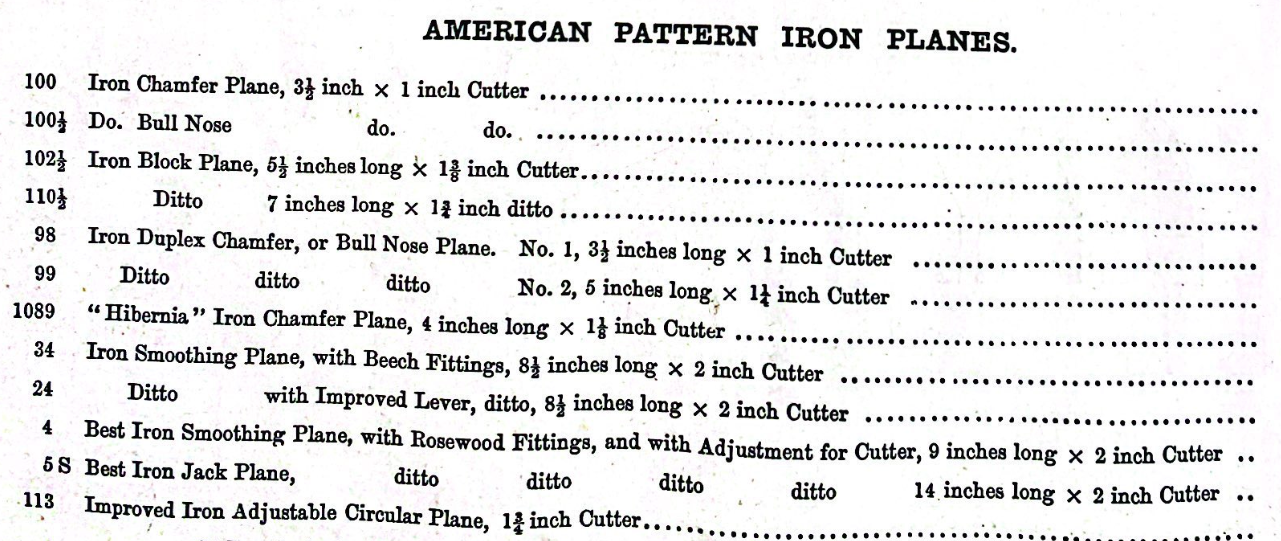
AMERICAN PATTERN IRON PLANES
These planes are only to be found in the 1888 and 1891MARPLES Catalogues [and maybe the previous catalogue 1883?] connected to ‘English Pattern Iron Planes’. None of them were actually manufactured by MARPLES and instead MARPLES were just another conduit offering these odd planes to the general public.
The number 113 Adjustable Circular Plane and the number 100.1/2 Iron Block Plane are both STANLEY planes [made in USA].
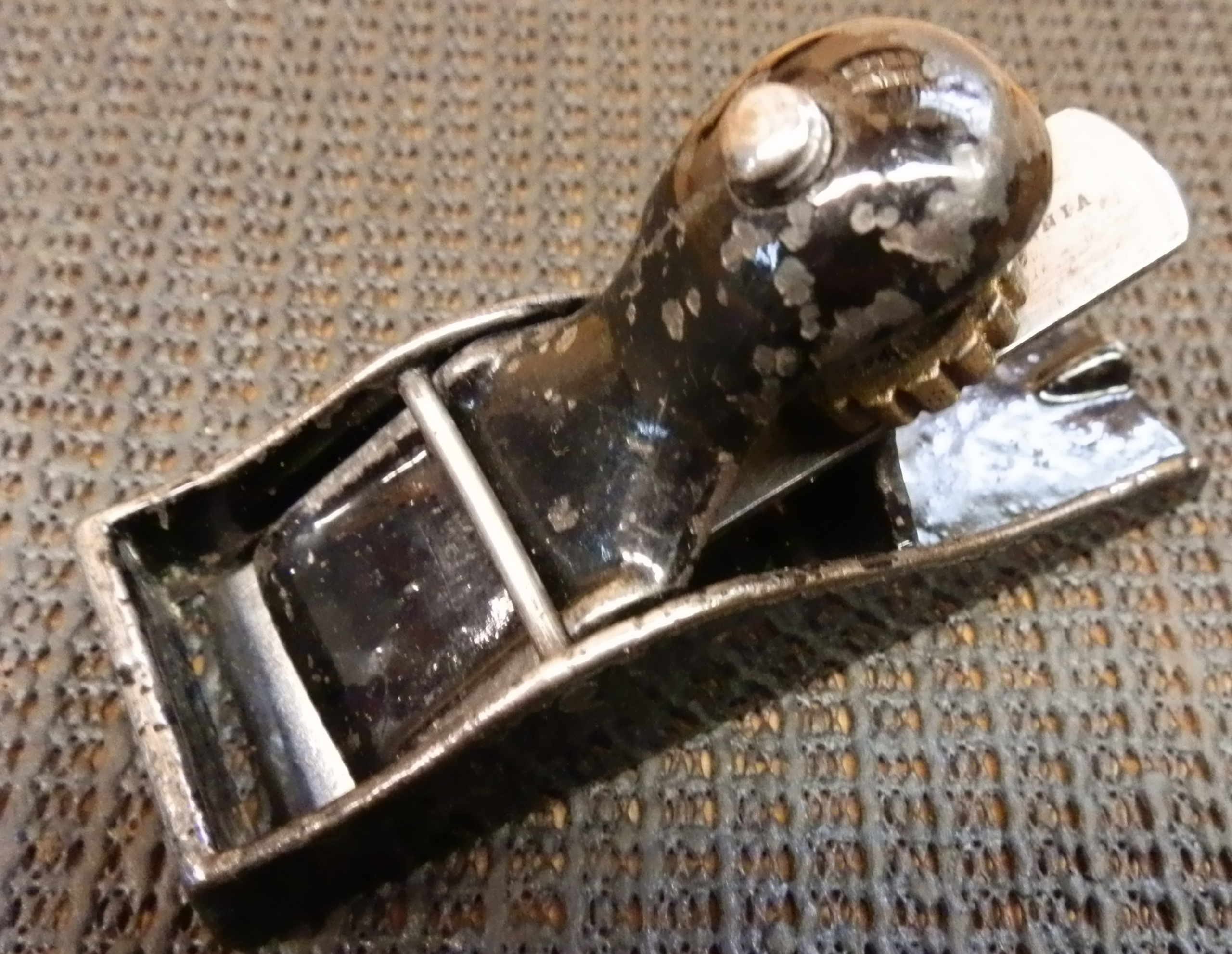
Numbers 99 [Iron Duplex Plane], 100 [Iron Chamfer Plane], 100-1/2 [Iron Bull-Nose Plane] and 102-1/2 [iron Block Plane] were made by or for Joseph Wolstenholme & Sons [JWS].
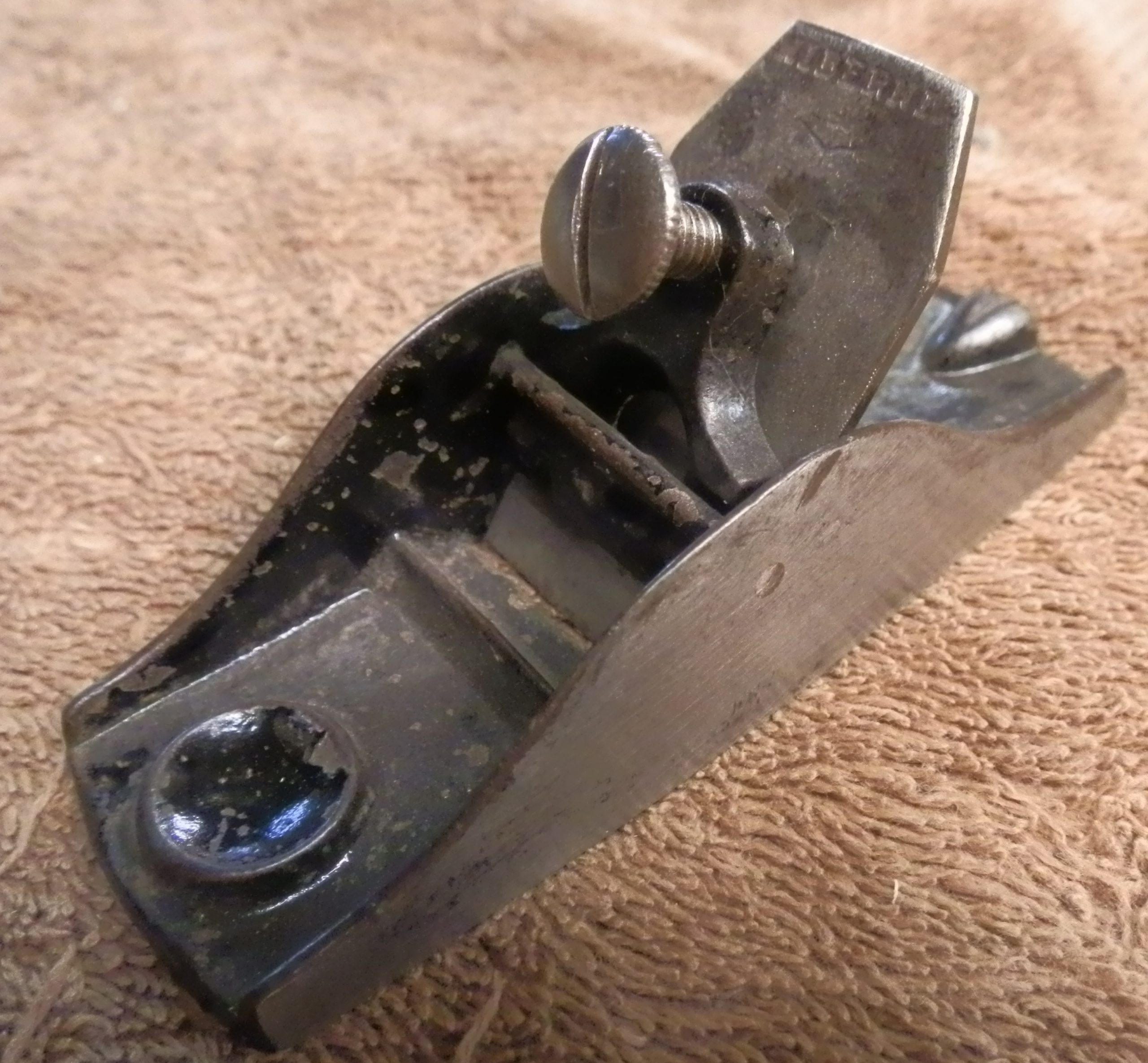
It is uncertain who made Plane number 1089 [Iron Chamfer Plane]
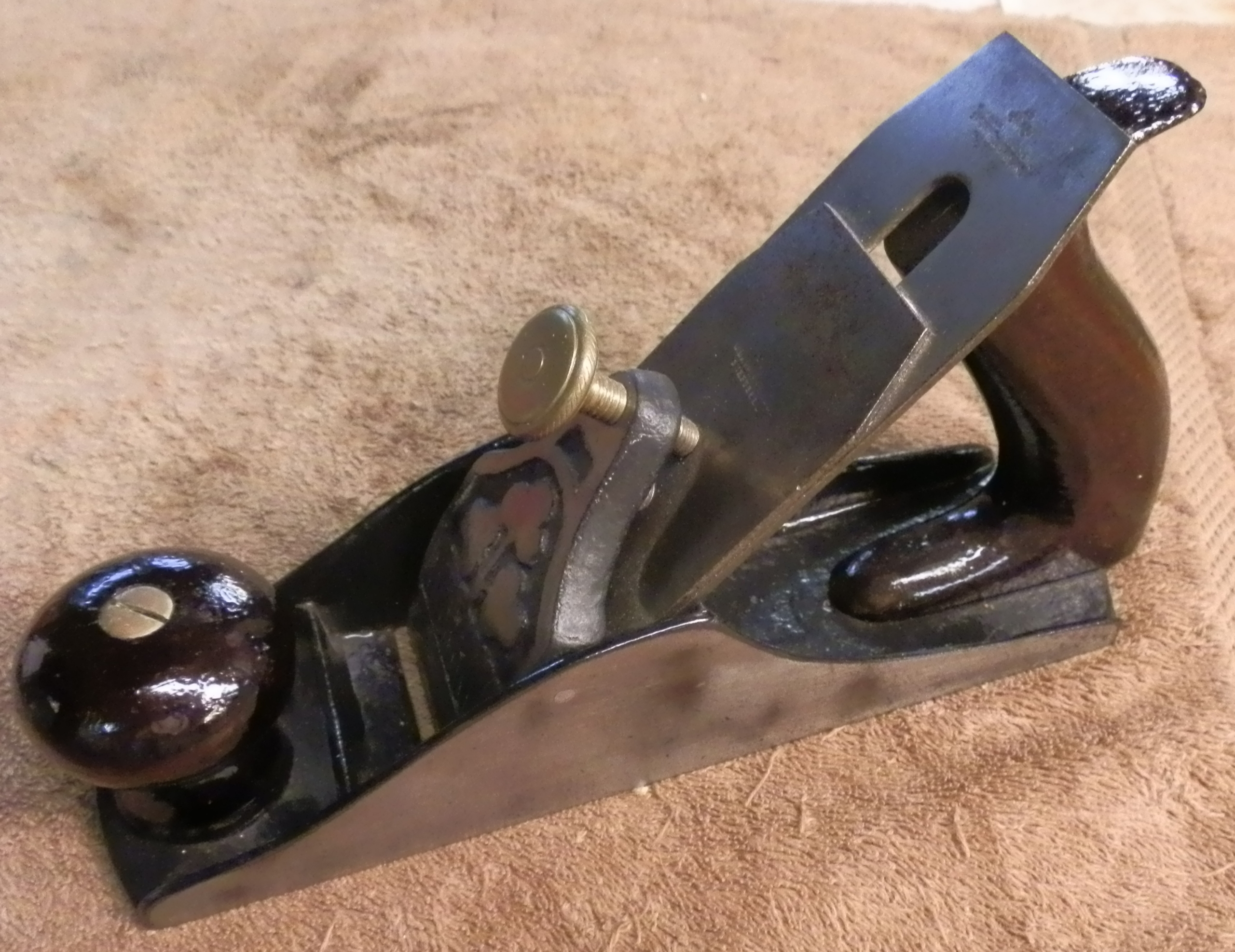
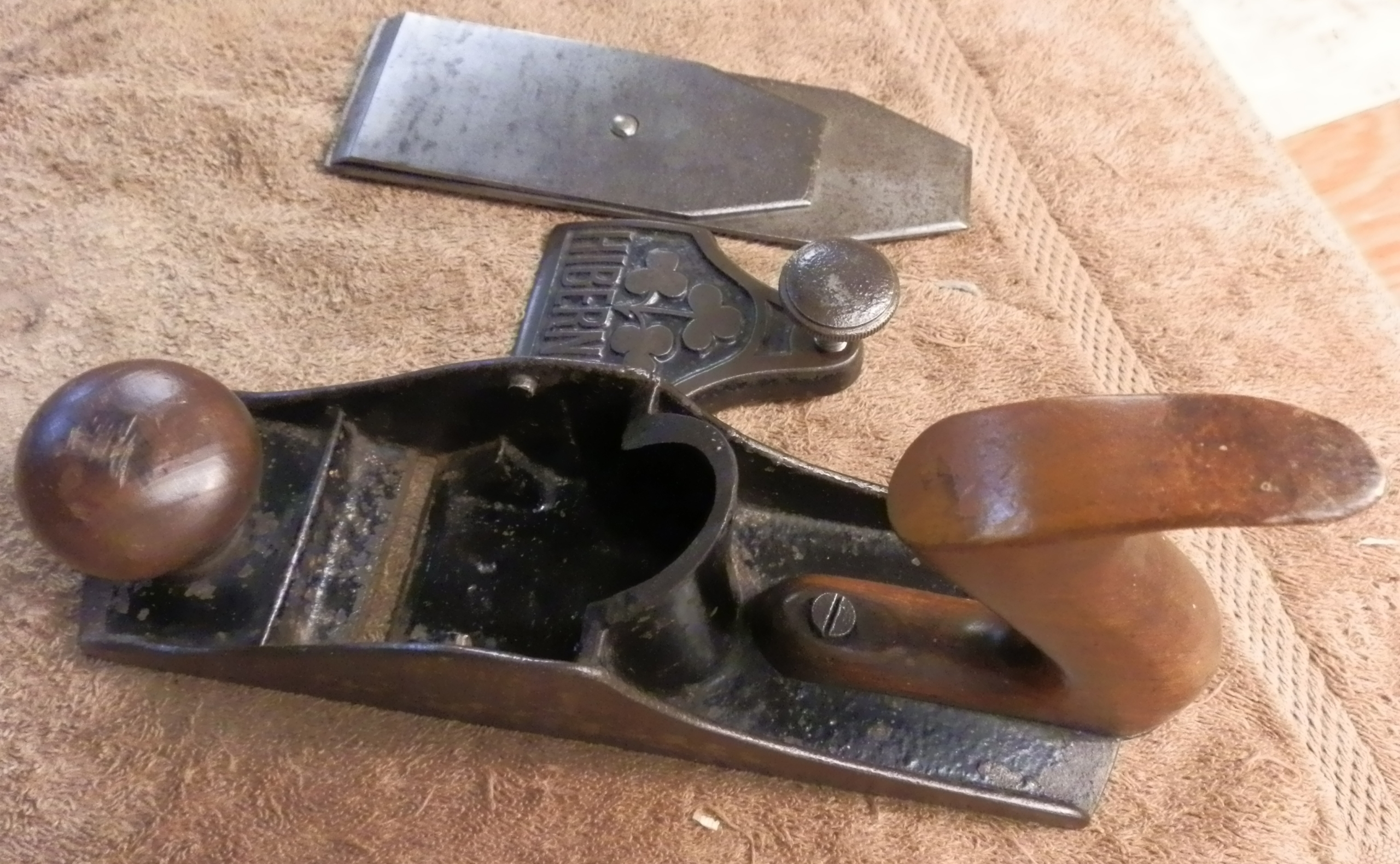
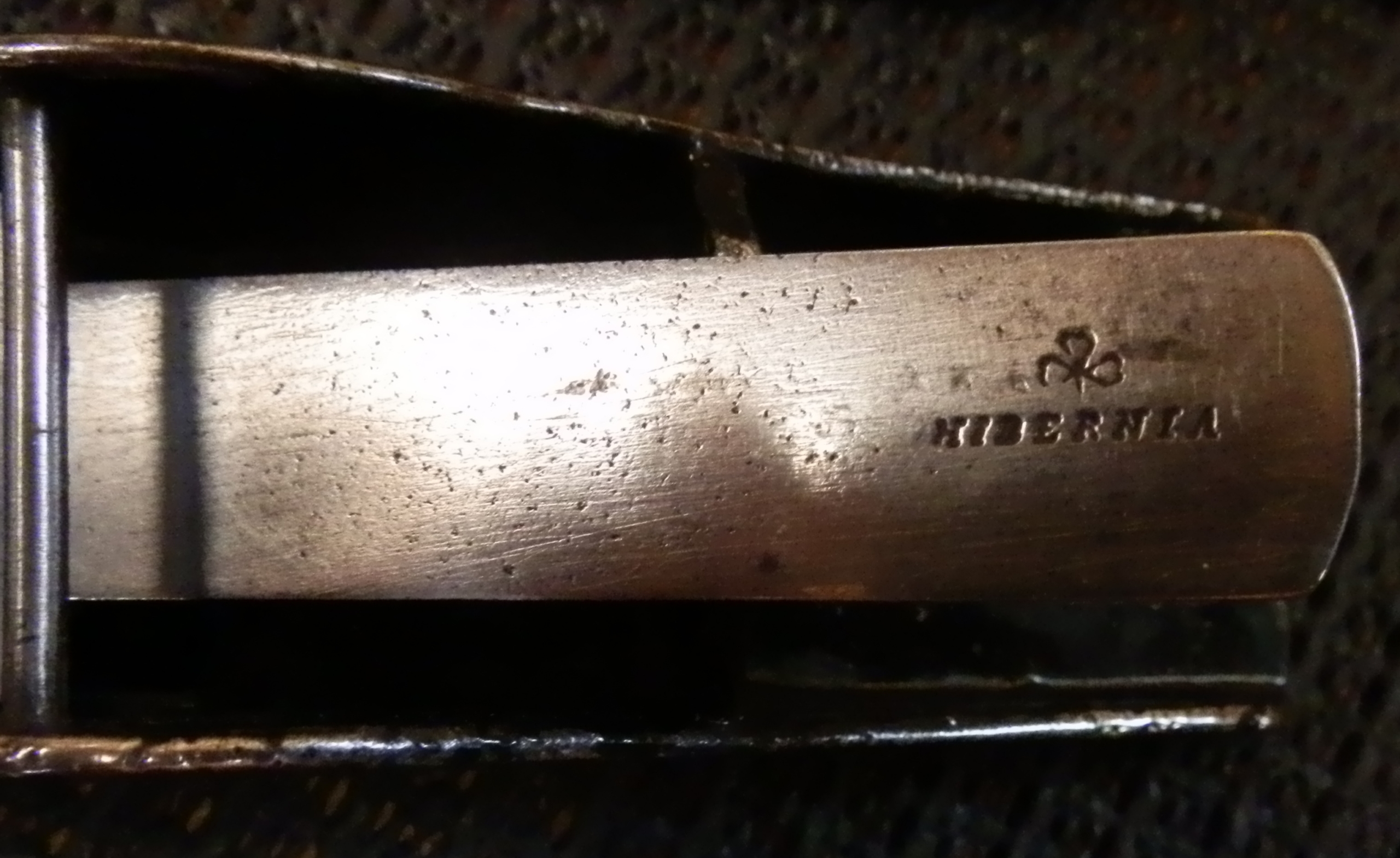
The number 34 [Iron Smoothing Plane] was perhaps specifically made for William MARPLES with a HIBERNIA Lever Cap, but an earlier version with Ivy-Covered Lever Cap [shown here] is also shown in a Robert Marples 1895 Catalogue.
Much of the above information is the result of years of study by Cameron Miller in Australia and I am indebted to him for allowing me to use his research results.
GALLERY:
#100 3.1/2″ Iron Chamfer Plane with 1″ cutter:
#98 and #99 Iron Duplex Chamfer or Bullnose Planes. The smallest [No.1] is 3.1/2″ long with a 1″ cutter and the largest [No.2] is 5″ long with a 1.1/4″ cutter.
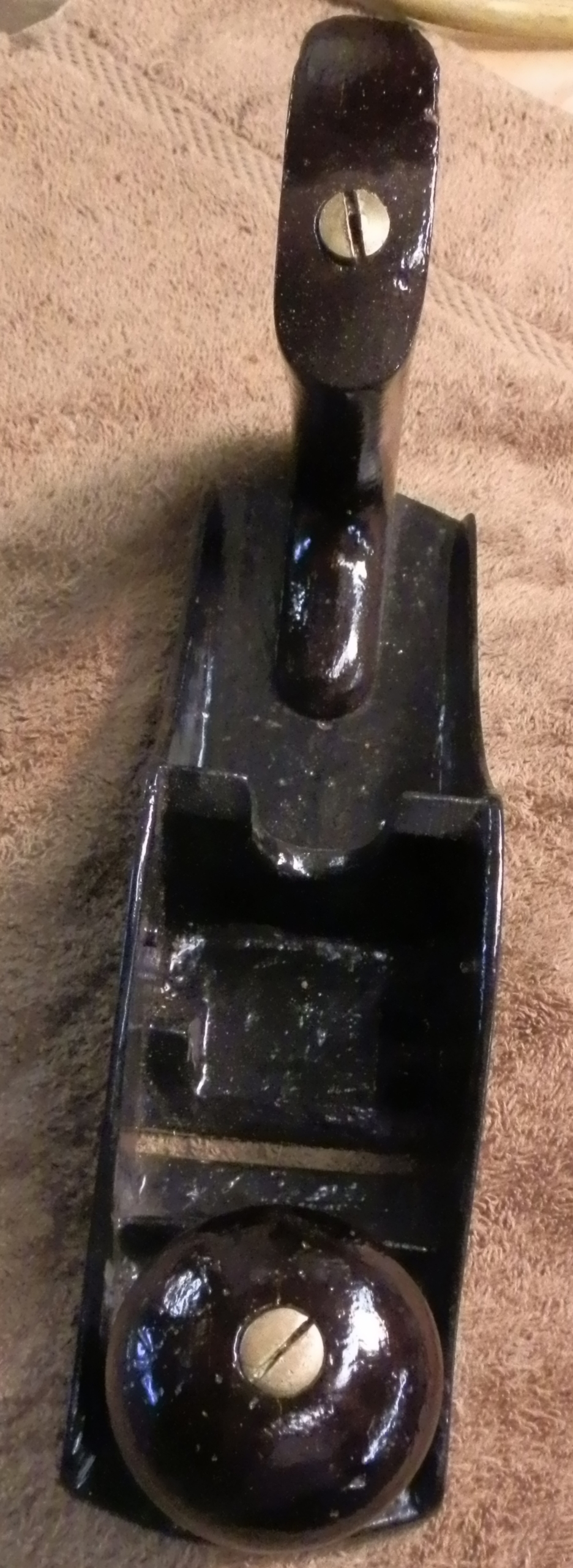
#34Iron Smoothing Plane with Beech fittings 8.1/2″ long and with a 2″ wide cutter. The basic design was a copy of the plane produced by the Bailey Tool Company in USA around the 1870s. Again these British made [manufacturer presently unknown,] planes were not made specifically for MARPLES but were indeed carried by various other MARPLES companies [e.g. Robert M.] It is probable that the first issue may have had a lever cap worded ‘ The Norfolk’ and Wm MARPLES requested the maker [ JWS or John Monks & Sons?] to provide a ‘Hibernia’ lever cap for his planes. Other Marples companies may show a generic ‘Ivy’ design lever cap.
Above information provided by Cameron Miller in Australia.
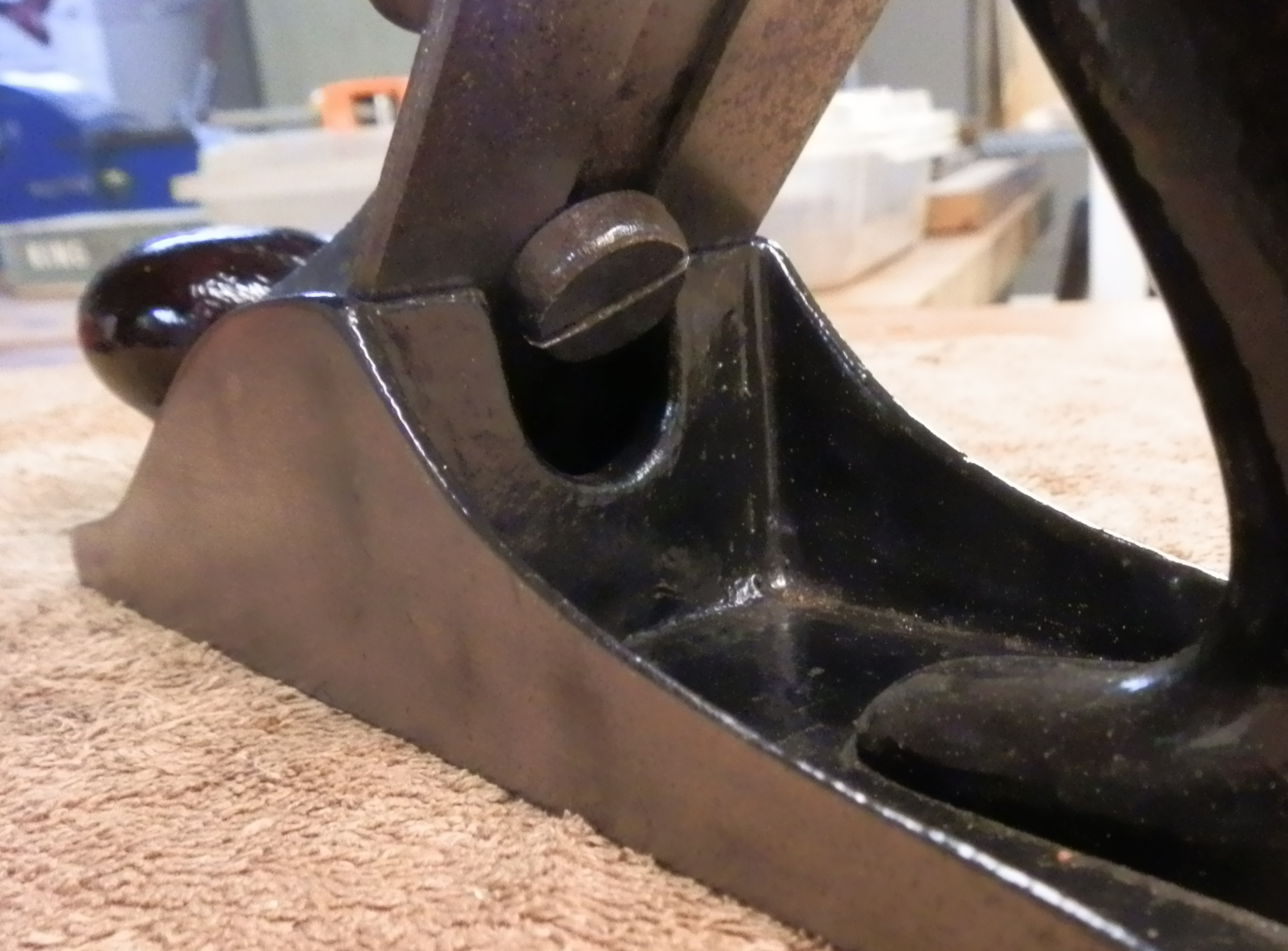
Shown above is the casting from what may be called the 2nd version of this plane. The first version had the cross wall with no cutout for the cap-iron screw. The 3rd and last version had a rounded cross wall as shown below:
#1089 Iron Chamfer plane:
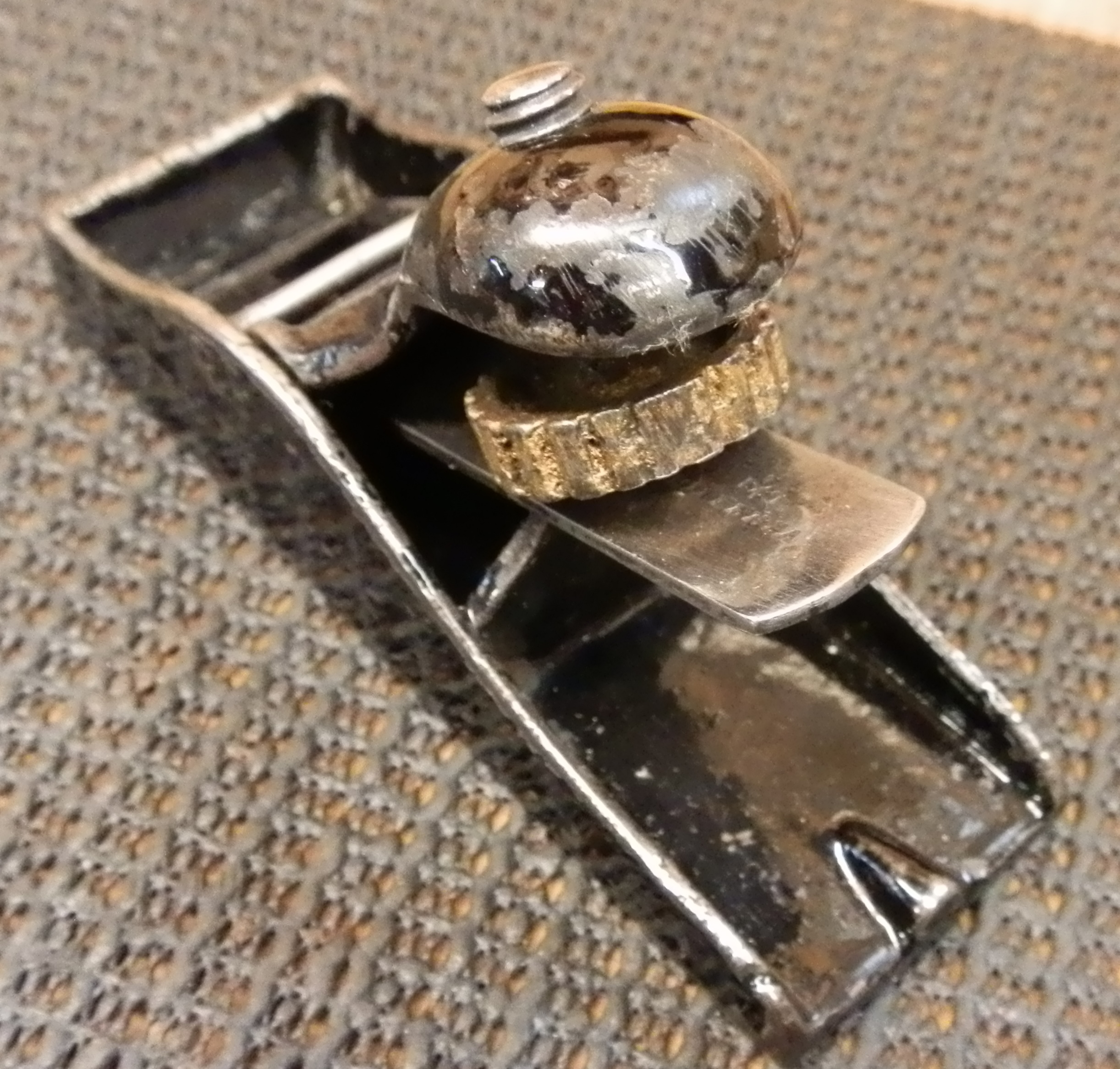
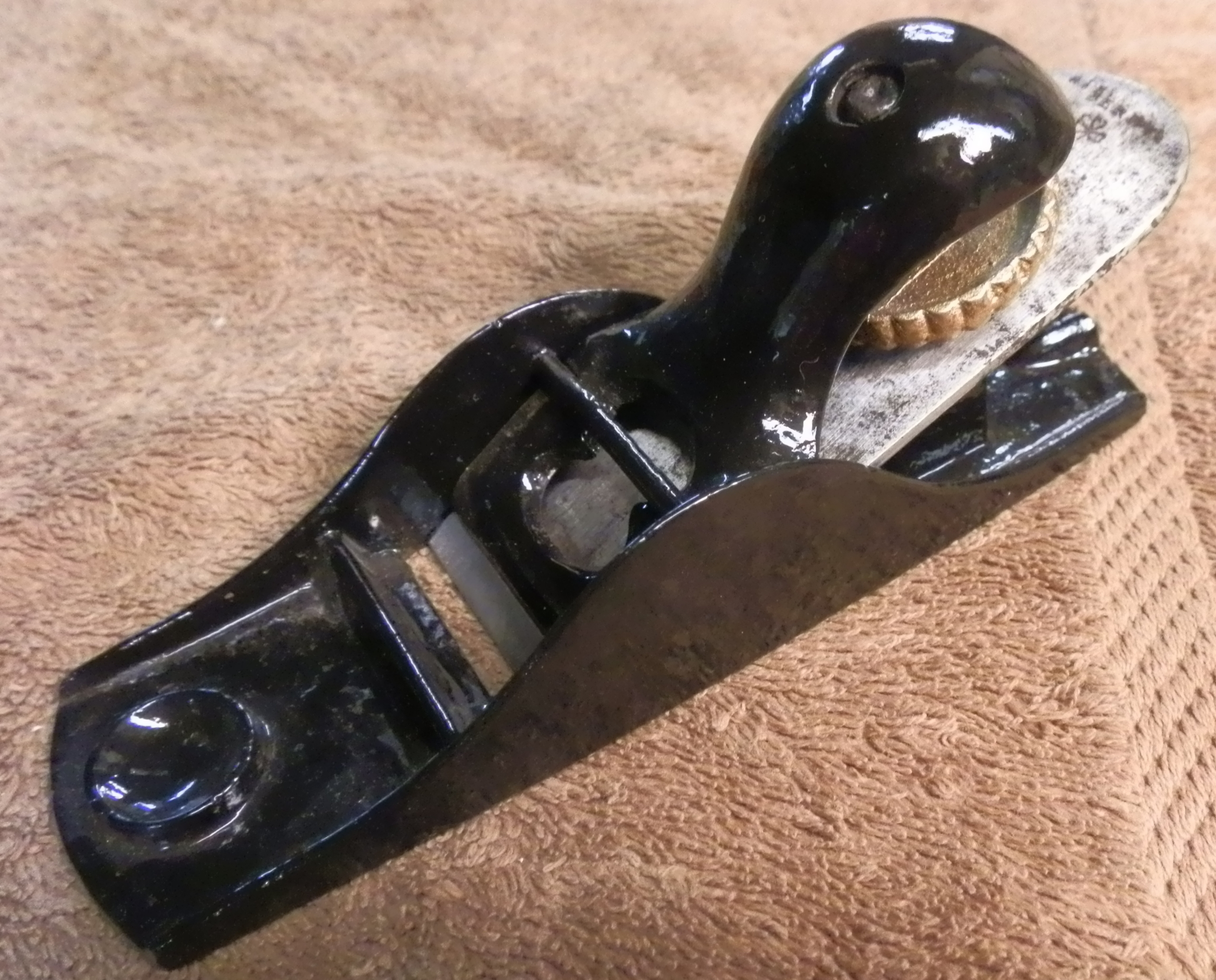
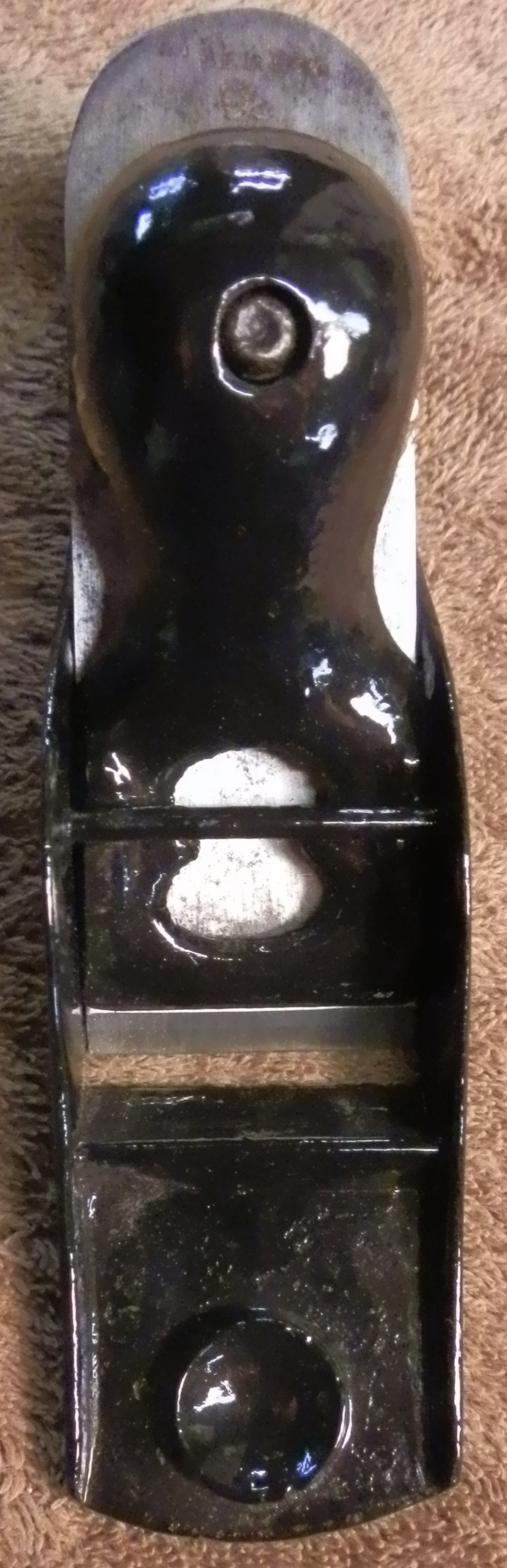
#102.1/2 Iron Block Plane 5.1/2″ long with a 1.5/16″ cutter [actual] :
Cheese Tasters
Cheese Tasters are listed in MARPLES Catalogues as early as 1862 but it is not until 1888 that I can find a description to match the Cheese Taster that I have here. The description in the text and next to the line drawing are of the same object but are different! With the text is shown: ‘Best Bright Cast Steel Cheese Tasters, 5 inches, with Rosewood Tipped Handles’. Whereas next to the image it says: ‘Improved Cheese Taster with Rosewood handle’.
The 1897 Cat. shows these:
In 1909 the item number has changed from 2079 to 6874:
Cheese tasters were not listed in 1921 but re-appear in 1928:
And are shown for the last time in the 1938 Catalogue:
Another Cheese Taster is again seen in the 1862 Cat. where it is not numbered, but described as ‘Bright Key Bow Cheese Taster . 3 lengths are listed…4″; 4.1/2″ and 5″. This is continued through to 1909 where lengths available are changed to 5.1/2″; 6″ and 6.1/2″. Item numbers are also changed resting at #6872 in 1909 and onwards. But in 1928 lengths are again and henceforth changed down to 3″; 4″ and 5″. The last Cat. to show this Taster as being available is 1938. The picture of this Taster does not vary between catalogues, so I must assume that my example below must be a later issue:
Marples Advertising….retail
Here is where you will find advertising that occurred in retail settings [as opposed to paper adverts.]
Marples produced many display boards that showed a small selection of their wares…here is just one…
And another here [man made material] is from a later date and obviously intended for a retail store:
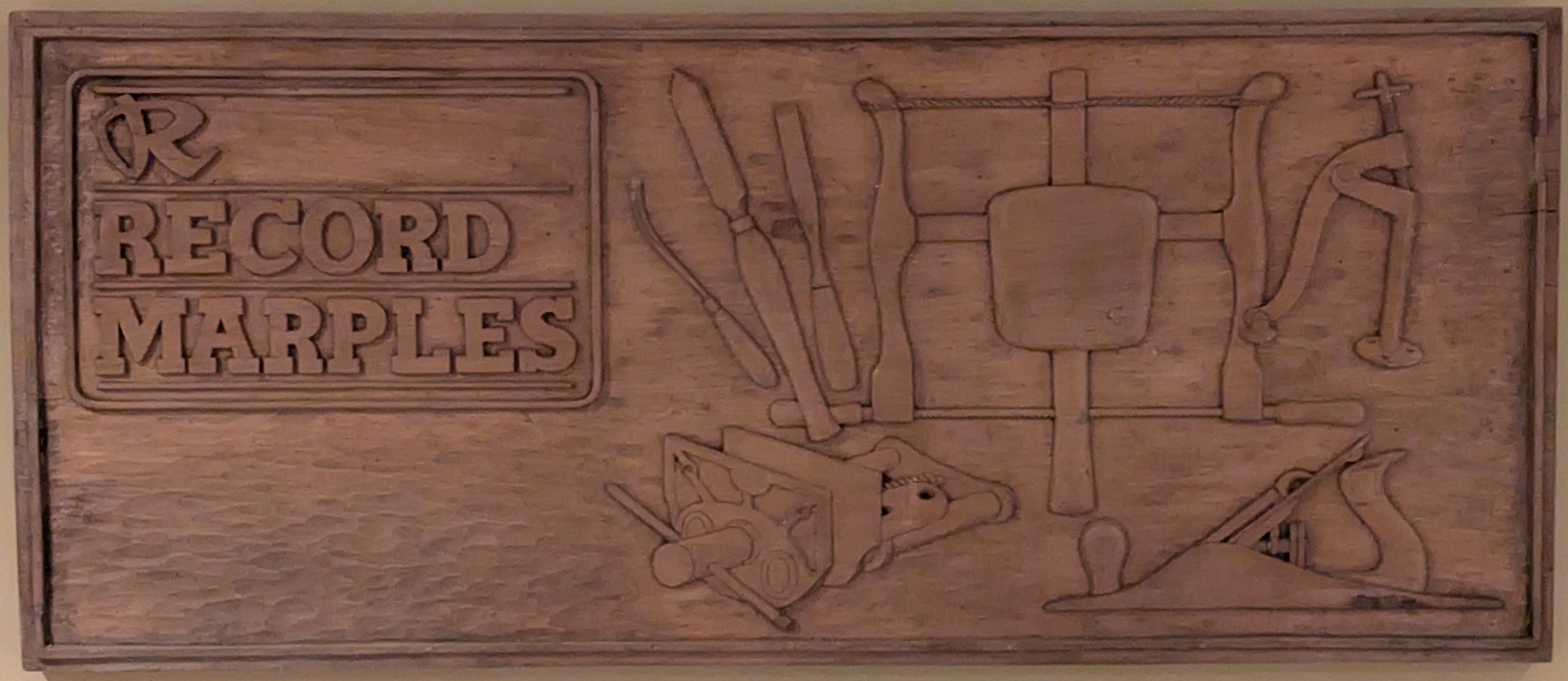
The Wooden sign [15″ x 35″ x 1.3/8″] below was possibly used in Trade Shows and seems to be of the same era as the sign above:
Bag Hooks
These items were needed to offload goods [in bags] at the Docks and other locations.
The first Catalogue entry I can find is in 1888:
At that time only single and double Prong hooks were available with no speciality.
By 1897 there are more choices:
And more by 1909:
1921:
1928:
1938: A Malleable version of #3662 has been introduced as #3664
By 1959 the range has been whittled down to the Basics, no specialties.
And these 3 tools were themselves de-listed by December 1963
These tools may be difficult to find these days as they were probably discarded quite often, or lost. The following example may be either 3662 or 3664. I have no way of currently knowing the difference between SMALL and LARGE sizes.
Pig Scrapers
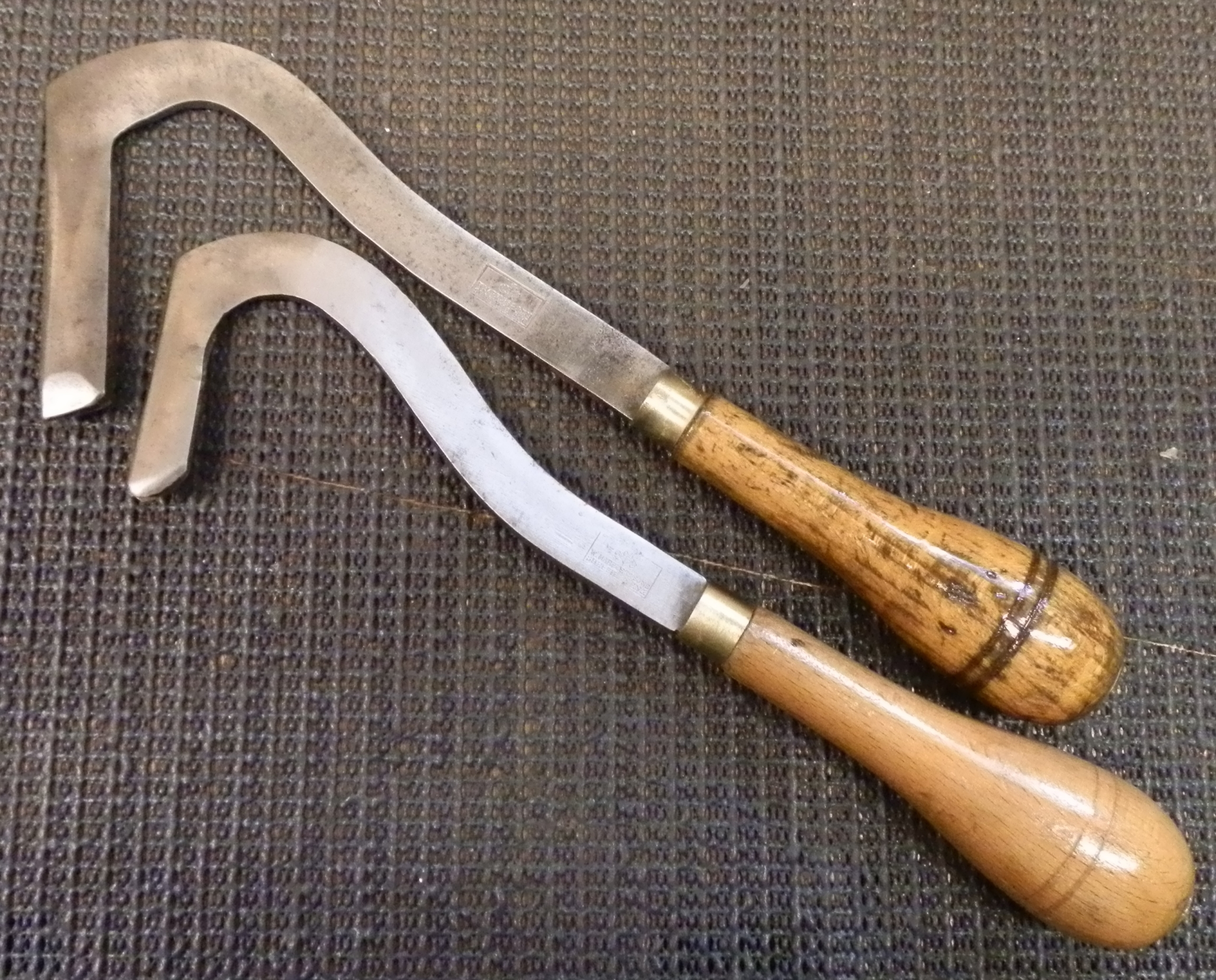
Since the first MARPLES ‘Pig Scraper’ is to be found in the 1888 Catalogue [Item #1899], I can only surmise that prior to then, no pigs needed to be scraped!
This first tool, like its’ descendents, had an included Hook, the purpose for which eludes me. The first description does not state that it was ‘handled’ but I think it must have been.
The same number and increased description is to be found in 1897 :
In 1903 the Hooked version [#6863] and a non-Hooked version [#6864] are found and repeated in 1909 below:
1921 below is similar:
In 1928 the Hooked version is #6863, whereas the non-Hooked version is now #6853.1/2. The handle is described as being made of Ash and is ‘Through Tanged’:
1938:
1959:
The Catalogues of 1938 and 1959 show the same information.
This tool was de-listed around December 1963 and then there was a huge squeal of delight from the piggies!!!







 And another here [man made material] is from a later date and obviously intended for a retail store: